The Gathering Storm: A Coalition Against Tinubu’s 2027 Re-election Bid
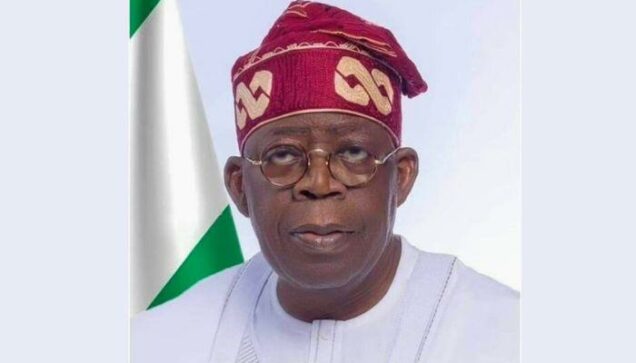
Nigeria’s political landscape is already buzzing with activity as the 2027 general elections draw closer. President Bola Tinubu, who assumed office in 2023, faces a formidable challenge from a growing coalition of opposition figures determined to prevent his second term. Fueled by widespread public dissatisfaction with Tinubu’s economic policies and governance, this diverse group of political heavyweights is coalescing around a shared objective: to unseat the incumbent president. Accusations against Tinubu range from implementing "anti-people" policies that have exacerbated economic hardship to alleged attempts to consolidate power and steer Nigeria towards a one-party state. This perception of failure to deliver on promises and a deepening national crisis has galvanized the opposition into action.
At the forefront of this burgeoning movement are several prominent figures who played significant roles in the 2023 elections. Peter Obi, the Labour Party’s presidential candidate, has declared his intention to run again in 2027 and remains a vocal advocate for political change. He is actively involved in coalition-building efforts and has been linked to potential alliances with other opposition figures. Former Vice President Atiku Abubakar, another key player in the 2023 contest, has also joined the anti-Tinubu coalition, further solidifying the opposition’s resolve. Speculation abounds about a possible power-sharing arrangement between Obi and Atiku, with the latter potentially running for a single term with Obi as his running mate. While such an alliance could potentially consolidate a significant portion of the opposition vote, its effectiveness remains a topic of debate.
Beyond the familiar faces of Obi and Atiku, other influential figures are emerging as potential contenders for the presidency or as key strategists in the anti-Tinubu movement. Seyi Makinde, the Governor of Oyo State, has hinted at his presidential ambitions, suggesting that he is open to contesting the 2027 election if it aligns with the will of the people and his party. Makinde’s rising profile within the PDP and the emergence of grassroots support groups advocating for his candidacy suggest that he could become a significant force in the upcoming elections. Nasir El-Rufai, the former Governor of Kaduna State, has emerged as one of the most outspoken critics of the Tinubu administration. El-Rufai’s bold pronouncements about Tinubu’s dwindling support base and the unlikelihood of his re-election reflect the growing confidence within the opposition ranks.
The anti-Tinubu coalition extends beyond individual political aspirants to include influential figures working behind the scenes to shape the opposition’s strategy. Babachir Lawal, the former Secretary to the Government of the Federation, is reportedly playing a key role in coalition talks and strategic planning for the 2027 elections. Former Governors Rotimi Amaechi (Rivers State) and Liyel Imoke (Cross River State) have also taken on significant responsibilities within the movement. Amaechi is tasked with exploring the possibility of forming a new political party, while Imoke leads the effort to forge alliances with existing parties. These strategic moves underscore the opposition’s commitment to building a robust and unified platform to challenge Tinubu’s incumbency.
Adding further weight to the opposition’s narrative of widespread discontent is the criticism emanating from even smaller political parties. Ralph Okey Nwosu, the National Chairman of the African Democratic Congress (ADC), has forcefully challenged the notion of Tinubu’s invincibility in 2027. Nwosu attributes the prevailing conditions of hunger and insecurity across the nation to Tinubu’s leadership, arguing that these issues have united Nigerians in their dissatisfaction with the current government. This sentiment resonates with the broader message of the opposition, which emphasizes the economic hardships and governance failures under Tinubu’s administration.
The coalescing opposition presents a significant challenge to Tinubu’s re-election prospects. The diverse range of figures involved, from established political leaders to outspoken critics and strategists, indicates a growing momentum against the incumbent. The shared narrative of economic hardship, policy failures, and a perceived drift towards authoritarianism provides a unifying platform for this diverse coalition. As 2027 approaches, the political battle lines are being drawn, with Tinubu facing a formidable opposition determined to unseat him. The coming months will be crucial in determining the final shape and effectiveness of this coalition, and whether it can successfully translate public dissatisfaction into electoral victory. The stakes are high, and the outcome of the 2027 election will have profound implications for the future of Nigeria.