









Paragraph 1: The Constitutional Mandate and Presidential Address
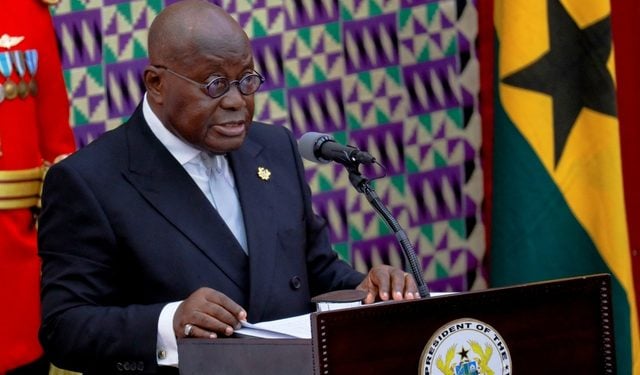
President Nana Addo Dankwa Akufo-Addo’s final State of the Nation Address, scheduled for Friday, January 3, 2025, represents a pivotal moment in Ghana’s democratic process. This address, mandated by Article 67 of the 1992 Constitution, serves as the President’s culminating report on the state of the nation, providing a comprehensive overview of his administration’s achievements, challenges, and the nation’s overall trajectory as his term concludes. This constitutional obligation underscores the importance of transparency and accountability in Ghana’s governance structure, ensuring that the citizenry is informed about the nation’s affairs as one presidential tenure transitions to the next. The address acts as both a retrospective analysis of the past four years and a prospective glance towards the future, setting the stage for the incoming administration.
Paragraph 2: Dissolution and Convening of Parliament: A Symbolic Transition
The dissolution of the 8th Parliament of the 4th Republic on Monday, January 6, 2025, marks the formal end of its legislative term, paving the way for the inauguration of the 9th Parliament later that evening. This carefully choreographed sequence of events symbolizes the continuity and renewal of democratic institutions. The dissolution signifies the completion of the 8th Parliament’s mandate, while the convening of the 9th Parliament at 11:00 PM signifies the commencement of a new chapter in Ghana’s legislative history. This transition underscores the cyclical nature of democratic governance, where elected bodies complete their terms and are replaced by newly elected representatives, ensuring the ongoing representation of the people’s will.
Paragraph 3: The Election of Leadership and Swearing-In Ceremony: Pillars of Parliamentary Procedure
The election of the Speaker and two Deputy Speakers of the 9th Parliament, followed by the swearing-in ceremony at midnight, are crucial procedures that establish the leadership and legitimacy of the newly constituted legislative body. The Speaker plays a vital role in presiding over parliamentary debates, ensuring orderly conduct, and interpreting parliamentary rules and procedures. The Deputy Speakers assist the Speaker in carrying out these responsibilities, ensuring the smooth functioning of parliamentary business. The swearing-in ceremony signifies the formal assumption of office by the newly elected Members of Parliament and the Speaker, marking the commencement of their official duties and responsibilities.
Paragraph 4: Media Accreditation and Coverage: Ensuring Transparency and Public Access
Parliament’s advisory to media personnel to secure necessary accreditation underscores the importance of media coverage in disseminating information about these significant events to the public. A transparent and accessible democratic process requires the active participation of the media in informing the citizenry about the proceedings of the government and legislative branches. By facilitating media access, Parliament ensures that the public can witness the transition of power, the election of parliamentary leadership, and the swearing-in of their elected representatives, thereby fostering public trust and engagement in the democratic process.
Paragraph 5: The Significance of the Transition: Continuity and Change in Governance
The transition from the 8th to the 9th Parliament, coupled with the President’s final State of the Nation Address, represents a crucial juncture in Ghana’s democratic evolution. This period of transition provides an opportunity for reflection on the past and anticipation for the future. The outgoing administration’s achievements and challenges are assessed, while the incoming administration prepares to embark on its own agenda. This dynamic interplay of continuity and change is essential for a vibrant democracy, allowing for progress while maintaining the established framework of governance.
Paragraph 6: Looking Ahead: The Future of Ghana’s Democracy
As Ghana navigates this period of transition, the focus shifts to the future direction of the nation. The incoming administration will face the task of addressing pressing national issues, building upon the successes of the previous government, and charting a new course for Ghana’s development. The 9th Parliament will play a crucial role in shaping this future by enacting legislation, scrutinizing government policies, and representing the interests of the people. The successful transition of power and the smooth functioning of the newly constituted Parliament are vital for ensuring the continued strengthening of Ghana’s democratic institutions and the advancement of its national aspirations.









