





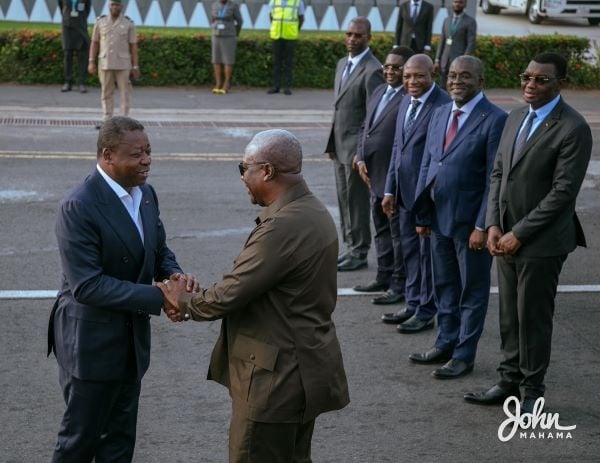
Paragraph 1: Regional Diplomacy and Renewed Focus on West African Integration
President-Elect John Dramani Mahama’s diplomatic tour of neighboring countries signifies a renewed commitment to regional cooperation and integration within West Africa. This initiative underscores the understanding that shared challenges and opportunities transcend national borders and require collective action. By prioritizing diplomatic engagement, Mahama aims to build stronger relationships with neighboring countries, laying the foundation for collaborative efforts to address critical issues facing the region. This proactive approach signifies a recognition of the interconnectedness of West African nations and the potential for mutual benefit through enhanced cooperation.
Paragraph 2: Strengthening Bilateral Ties with Togo: A Foundation for Regional Cooperation
The meeting between President-Elect Mahama and Togolese President Faure Gnassingbé exemplifies the importance of bilateral relationships within the broader context of regional cooperation. This engagement symbolizes a commitment to fostering closer ties between Ghana and Togo, recognizing the potential for mutual benefit through enhanced collaboration. By prioritizing direct dialogue and engagement, Mahama aims to build a strong foundation for cooperation on shared priorities such as economic development, security, and cultural exchange. This bilateral engagement sets the stage for broader regional collaboration and serves as a model for strengthening ties between West African nations.
Paragraph 3: Emphasizing Shared Heritage and Interconnected Destinies: A Call for Unity
Mahama’s emphasis on the shared cultural, historical, and economic bonds between Ghana and Togo highlights the interconnected destinies of West African nations. By recognizing the deep-rooted connections between the people of the region, Mahama underscores the importance of unity and collaboration in addressing common challenges. This emphasis on shared heritage serves as a powerful reminder of the historical ties that bind West African nations and the potential for collective action to achieve common goals. This message of unity resonates across the region and sets the stage for broader regional integration based on mutual understanding and shared aspirations.
Paragraph 4: Collaborative Solutions for Shared Challenges: Maximizing Opportunities for Growth and Development
President-Elect Mahama’s call for collaboration among neighboring nations reflects a pragmatic approach to addressing the complex challenges facing West Africa. Recognizing that issues such as poverty, insecurity, and climate change transcend national borders, Mahama advocates for joint efforts to maximize opportunities for growth and development. This commitment to collaborative solutions recognizes the limited capacity of individual nations to address these challenges effectively and highlights the potential for collective action to achieve sustainable progress. By working together, West African nations can leverage their collective strengths to overcome shared challenges and create a more prosperous future for the region.
Paragraph 5: The Economic Imperative of Regional Cooperation: Fostering Trade and Investment
The emphasis on economic cooperation during Mahama’s diplomatic tour underscores the potential for mutual benefit through enhanced trade and investment within West Africa. By promoting stronger economic ties, Mahama aims to stimulate regional growth and create opportunities for shared prosperity. This focus on economic cooperation recognizes the potential for regional integration to create larger markets, attract investment, and foster economic diversification. By working together, West African nations can create a more dynamic and competitive regional economy that benefits all member states.
Paragraph 6: Building a Secure and Stable West Africa: Addressing Security Challenges through Collaboration
Mahama’s diplomatic efforts also address the critical issue of security within West Africa. Recognizing the interconnected nature of security challenges, he advocates for enhanced cooperation among neighboring nations to address issues such as terrorism, organized crime, and cross-border conflicts. This commitment to collaborative security efforts recognizes the importance of regional stability in fostering economic development and promoting social progress. By working together, West African nations can enhance their collective capacity to address security threats and create a more secure and stable environment for their citizens. This regional security focus is essential for creating the conditions necessary for sustainable development and long-term prosperity.








