









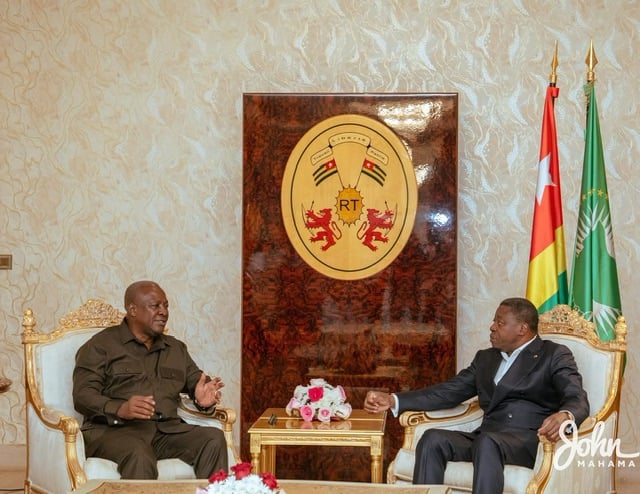
President-elect John Dramani Mahama’s pre-inaugural diplomatic forays signify a strategic emphasis on regional cooperation and integration as cornerstones of his forthcoming administration. His recent visit to Togo, marked by a meeting with President Faure Gnassingbé, underscores Mahama’s commitment to strengthening West African bonds. This proactive engagement signals a prioritization of collaborative diplomacy within the Economic Community of West African States (ECOWAS), aiming to leverage shared cultural, historical, and economic connections for the collective benefit of the subregion. The visit also serves as a platform for addressing critical cross-border issues, setting the stage for a presidency focused on regional stability and shared prosperity.
Mahama’s prioritization of regional diplomacy is rooted in the understanding that interconnected challenges require unified solutions. West Africa faces a complex web of interrelated issues, including security threats, economic disparities, and migration flows, which transcend national borders. Effectively addressing these challenges necessitates a concerted effort from regional leaders, fostering cooperation, and coordinating policies. Mahama’s early outreach to neighboring leaders demonstrates a commitment to building consensus and establishing strong working relationships, laying the groundwork for joint action on shared concerns. This proactive approach suggests a shift towards a more integrated and collaborative approach to regional governance.
The emphasis on regional integration aligns with Mahama’s broader vision for a more unified and prosperous West Africa. By strengthening economic ties, facilitating cross-border trade, and promoting cultural exchange, Mahama aims to create a more dynamic and resilient subregion. This focus on shared growth recognizes the potential for mutual benefit through collaboration, harnessing the collective strengths of member states to drive development and improve the lives of citizens across West Africa. Mahama’s diplomatic efforts aim to translate this vision into concrete action, fostering an environment conducive to sustainable development and shared prosperity.
The choice of Togo as the destination for Mahama’s first diplomatic visit carries significant symbolic weight. Togo, sharing borders and historical connections with Ghana, represents a crucial partner in regional stability and economic cooperation. The meeting with President Gnassingbé provided an opportunity to reaffirm the strong bilateral relationship between the two countries and lay the foundation for enhanced collaboration on issues of mutual interest. This initial visit sets a precedent for future engagements, signaling a commitment to fostering closer ties with neighboring nations and building a strong foundation for regional cooperation.
Beyond the immediate diplomatic objectives, Mahama’s pre-inaugural visits also serve an important symbolic function. They project an image of a leader actively engaged in regional affairs, signaling a commitment to multilateralism and collaborative problem-solving. This proactive approach contrasts with a more inward-looking approach, emphasizing the importance of international partnerships and regional cooperation in addressing complex challenges. By engaging with neighboring leaders early in his term, Mahama demonstrates a commitment to building bridges and fostering trust, essential elements for effective regional diplomacy.
Mahama’s use of social media, particularly the hashtag #MahamaThePresident, further amplifies his message of regional unity and cooperation. By leveraging digital platforms, he connects directly with citizens across West Africa, fostering a sense of shared purpose and promoting his vision for a more integrated subregion. This strategic use of social media allows Mahama to bypass traditional media channels and engage directly with a wider audience, building momentum for his agenda and fostering a sense of collective ownership in the pursuit of regional goals. This direct engagement reflects a modern approach to diplomacy, recognizing the power of social media in shaping public opinion and mobilizing support for shared objectives.









