





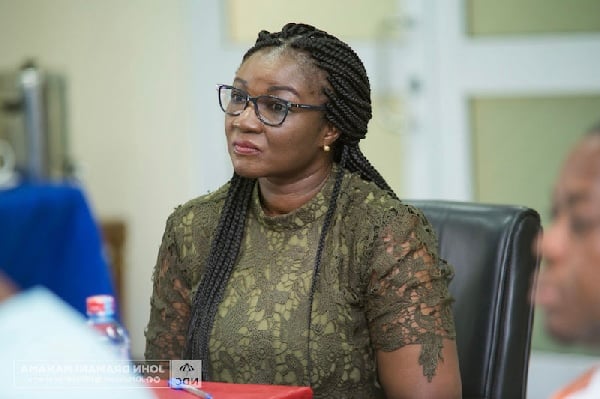
The circulating lists of purported ministerial appointments for President-elect John Dramani Mahama’s incoming administration have been unequivocally debunked by his office. A statement issued by his Special Aide, Joyce Bawah Mogtari, characterized the lists as entirely fabricated and lacking any official authorization. This clarification comes in response to the widespread dissemination of these lists across social media platforms, particularly Facebook, where they originated from a user identified as Sir Obama Pokuase. The premature and unsubstantiated nature of these appointments has prompted the President-elect’s office to urge the public to exercise caution and refrain from sharing unverified information. The emphasis is on relying solely on official communication channels for accurate updates regarding appointments and nominations.
The fraudulent lists, which rapidly gained traction online, featured a range of prominent figures within the political landscape. Among the names erroneously linked to ministerial positions were Samuel Okudzeto Ablakwa for Foreign Affairs, Isaac Adongo for Finance, and Haruna Iddrisu for Agriculture. These spurious assignments quickly fueled speculation and discussion across various social media platforms, highlighting the potential for misinformation to spread rapidly in the digital age. The incident underscores the importance of verifying information from credible sources before disseminating it, particularly in the context of politically sensitive matters such as cabinet appointments.
The swift response from the President-elect’s office demonstrates a commitment to transparency and accuracy in communicating official government business. By promptly addressing the misinformation, they aim to mitigate any confusion or misinterpretations arising from the circulated lists. This proactive approach serves to maintain public trust and ensure that citizens receive accurate information about the formation of the new government. The statement also serves as a cautionary reminder to social media users to be discerning about the content they share and to avoid contributing to the propagation of false information.
The unauthorized release of these fabricated lists underscores the challenges posed by misinformation in the digital era. The ease with which false information can be created and disseminated online necessitates a heightened level of scrutiny from individuals and news organizations alike. This incident highlights the need for critical thinking and responsible information sharing to combat the spread of misinformation and maintain the integrity of public discourse. The rapid dissemination of the false appointment lists underscores the power of social media to amplify both accurate and inaccurate information, highlighting the need for robust fact-checking mechanisms.
The proactive debunking of the false ministerial appointments list by the President-elect’s office serves as a valuable lesson in media literacy. It emphasizes the importance of verifying information from reputable sources and exercising caution when encountering information online, particularly from unverified accounts. This incident serves as a reminder that social media, while a powerful tool for communication, can also be a conduit for misinformation. The responsibility lies with both individuals and media organizations to critically evaluate information and ensure its accuracy before sharing it with wider audiences.
The incident also highlights the importance of relying on official communication channels for credible information. The President-elect’s office has made it clear that all official announcements regarding appointments and nominations will be disseminated through established channels. This underscores the need for the public to be vigilant and avoid relying on unofficial sources for information about government affairs. By adhering to official communication channels, citizens can ensure that they are receiving accurate and reliable information, contributing to a more informed and responsible public discourse. This incident serves as a reminder of the importance of media literacy in navigating the complex information landscape of the digital age.








