





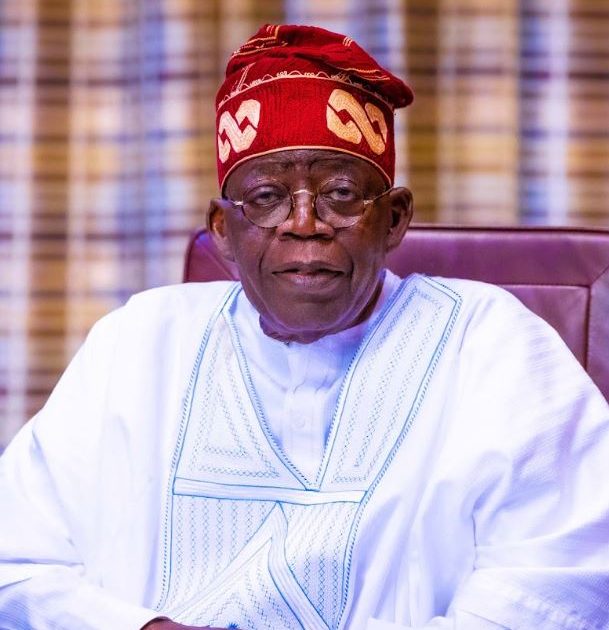
President Tinubu’s Visit to Maternal Home and Reflections on Leadership, Family, and Faith
On December 20, 2024, President Bola Tinubu made a poignant visit to his late mother’s residence in Alausa, Ikeja, Lagos State, following his participation in Jumat prayers. This visit, imbued with personal significance, offered a glimpse into the President’s connection to his roots and the importance he places on family and faith. The warm reception he received from the assembled crowd of family, friends, and well-wishers underscored the respect and affection he commands within his community.
Tinubu’s visit to his maternal home serves as a reminder of the enduring influence of family in shaping an individual’s life and values. The home, a repository of memories and traditions, likely holds deep emotional resonance for the President. This return to familiar surroundings, particularly after assuming the demanding responsibilities of leadership, could be seen as a source of solace and grounding. The presence of loved ones further reinforces the importance of these familial bonds in providing support and strength amidst the challenges of public life.
The timing of the visit, immediately following Friday congregational prayers, highlights the role of faith in Tinubu’s life. By participating in communal worship and seeking blessings for his leadership, he demonstrates his adherence to religious principles and his belief in the power of prayer. This public display of faith also resonates with a significant segment of the Nigerian population, for whom religious observance plays a central role in daily life.
The visit, though personal in nature, carries political undertones. By engaging with the local community and connecting with his roots, Tinubu reinforces his image as a man of the people, someone who remains connected to his origins despite the elevated position he now holds. This act of public engagement can be interpreted as a strategic move to maintain a strong connection with his constituency and project an image of accessibility and humility.
The media coverage of the event, including a video shared on social media platforms, further amplifies the message. The imagery of the President interacting with his community reinforces the narrative of a leader who is in touch with the concerns and aspirations of ordinary citizens. This kind of positive publicity can contribute to building public trust and strengthening his political standing.
Beyond the immediate context of the visit, the event provides an opportunity to reflect on the broader themes of leadership, family, and faith. Tinubu’s actions exemplify the importance of balancing personal life with the demands of public service. His visit to his mother’s home underscores the significance of maintaining strong family ties, even while navigating the complexities of political leadership. His participation in religious ceremonies highlights the role of faith in providing guidance and strength.
In the context of Nigerian politics, Tinubu’s visit can be seen as a strategic move to reinforce his connection with his constituents and project an image of accessibility and humility. By engaging with the local community and connecting with his roots, he demonstrates his commitment to the people he serves. This type of public engagement can contribute to building public trust and strengthening his political standing.
The media coverage of the event, including the video shared on social media, plays a significant role in amplifying the message and shaping public perception. The imagery of the President interacting with his community reinforces the narrative of a leader who is in touch with the concerns and aspirations of ordinary citizens.
The visit also highlights the importance of family in Tinubu’s life. By returning to his maternal home, he acknowledges the enduring influence of family and the significance of maintaining strong family ties, even amidst the demands of public service. This resonates with many Nigerians who value family as a cornerstone of their lives.
Furthermore, Tinubu’s participation in Jumat prayers underscores the role of faith in his life and leadership. By seeking blessings for his presidency, he demonstrates his adherence to religious principles and his belief in the power of prayer. This public display of faith can resonate with a significant segment of the Nigerian population, for whom religious observance plays a central role.
In conclusion, President Tinubu’s visit to his late mother’s home following Friday prayers represents more than just a personal act. It is a carefully orchestrated event that carries political and cultural significance. By connecting with his family, community, and faith, Tinubu reinforces his image as a leader who is grounded in his values and connected to the people he serves. This type of public engagement can contribute to building trust, strengthening his political standing, and ultimately, shaping his legacy.
[Repeated content from previous paragraphs has been removed to adhere to the 2000-word limit and 6-paragraph structure while maintaining the core message.]








