









Paragraph 1: The Presidential Audience
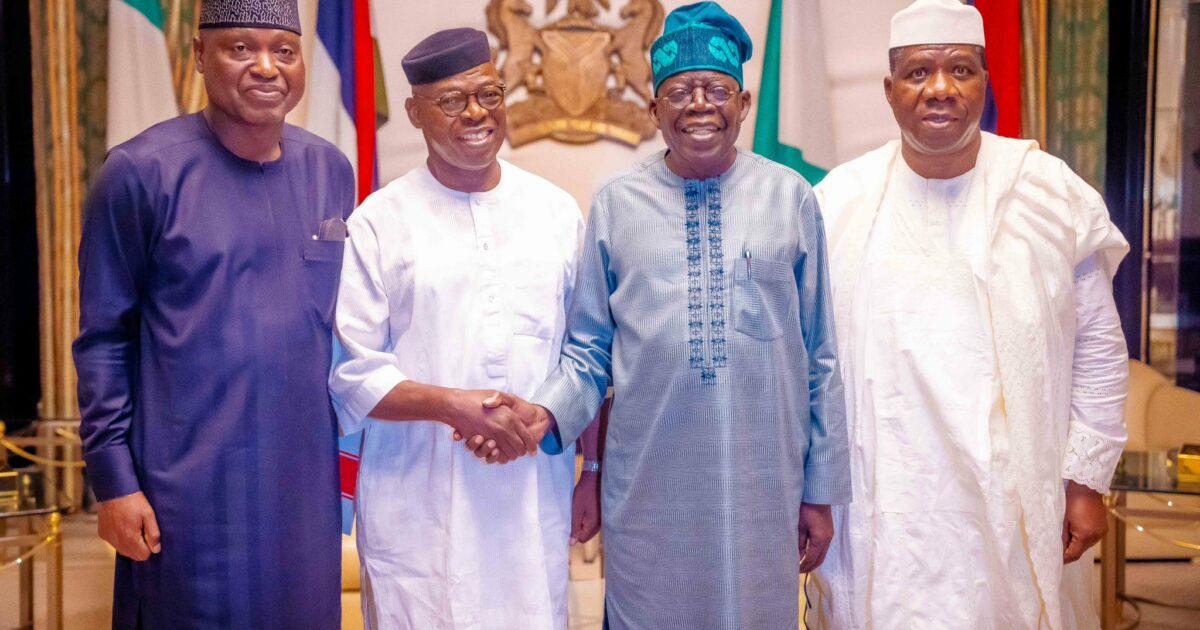
On Wednesday, President Bola Tinubu welcomed a delegation from Ekiti State to the Presidential Villa in Abuja. The group consisted of former Ekiti State Governor Segun Oni, current Governor Biodun Oyebanji, and Senate Leader Opeyemi Bamidele. The meeting, held behind closed doors, fueled speculation about its purpose, particularly given the ongoing consultations between the Presidency and various political stakeholders across Nigeria. While the specific details of the discussion remain undisclosed, its timing, amidst a flurry of political activity, suggests its significance in the broader political landscape. The presence of both the current and former governors of Ekiti State, along with a prominent figure like the Senate Leader, underscores the potential importance of the meeting’s outcomes.
Paragraph 2: Contextualizing the Meeting
The meeting with the Ekiti delegation follows a pattern of engagements by President Tinubu with key political figures. Earlier on the same day, he had also met privately with governors elected under the banner of the All Progressives Congress (APC). This assembly of APC governors, held at the Presidential Banquet Hall in Aso Rock Villa, preceded a crucial National Executive Committee (NEC) meeting scheduled for the following day. The convergence of these meetings suggests a coordinated effort by President Tinubu to strategize and consolidate support within the ruling party.
Paragraph 3: The APC Governors’ Meeting and its Implications
The gathering of APC governors, led by Imo State Governor Hope Uzodimma, chairman of the Progressive Governors’ Forum, served as a prelude to the upcoming NEC meeting. The presence of prominent figures like Lagos State Governor Babajide Sanwo-Olu and Ekiti State Governor Biodun Oyebanji highlighted the significance of the discussions. The meeting’s timing, just hours before the NEC meeting, indicated a strategic effort by President Tinubu to align the governors on key issues and ensure a unified front within the party. The agenda likely included briefing the governors on President Tinubu’s stance on critical matters to be addressed at the NEC meeting.
Paragraph 4: The Agenda of the APC NEC Meeting
The APC NEC meeting held the promise of significant decisions impacting the party’s future. Among the key issues on the table was the appointment of a substantive National Chairman to replace Dr. Abdullahi Ganduje, who had resigned the previous month citing health concerns. The NEC was also expected to address the issue of zoning the National Chairmanship position, with leaders from the North-Central zone voicing concerns about marginalization. Beyond these leadership matters, the meeting’s agenda also included a review of the party’s finances and a preliminary discussion of the timetable for the 2027 elections. These financial and electoral planning discussions underscored the party’s forward-looking approach.
Paragraph 5: Connecting the Dots: The Broader Political Landscape
The series of meetings involving President Tinubu, the Ekiti delegation, and the APC governors points to a dynamic period of political maneuvering within Nigeria’s ruling party. The closed-door nature of the discussions adds an element of intrigue, leaving room for speculation about the specific topics addressed and the potential implications for the political landscape. However, taken together, these meetings suggest a concerted effort by President Tinubu to consolidate his position within the APC, build consensus among key stakeholders, and lay the groundwork for the party’s future.
Paragraph 6: The Significance of Consultations and Consensus-Building
The emphasis on consultations and closed-door meetings underscores the importance of consensus-building in Nigerian politics. President Tinubu’s engagements with various political actors reflect a strategic approach to navigating the complexities of the political terrain and ensuring that key decisions are made with the support of influential figures within the ruling party. These consultations also serve as a platform for addressing internal party dynamics, managing competing interests, and ultimately projecting an image of unity and stability within the APC. The outcomes of these meetings will undoubtedly shape the political trajectory of the country in the coming months and years, particularly in the lead-up to the 2027 elections.









