





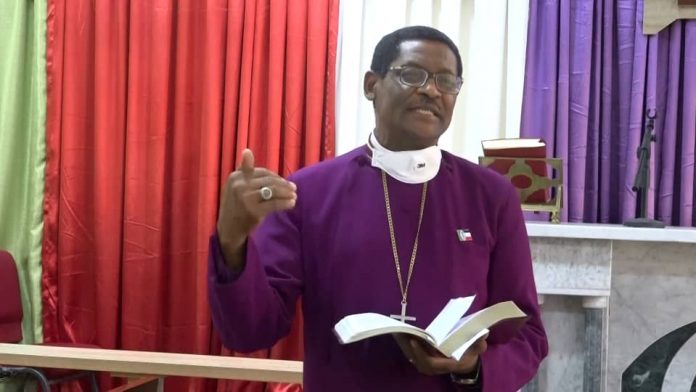
The Primate of the Church of Nigeria, Anglican Communion, Most Rev’d Henry Ndukuba, has expressed deep concern over the escalating food insecurity crisis plaguing the nation and called for immediate and comprehensive action to address the underlying issues. His appeal comes in the wake of several tragic stampedes during palliative distributions in Abuja, Ibadan, and Okija, incidents that starkly highlight the desperation and vulnerability of many Nigerians facing hunger and poverty. The Primate extended his condolences to the families of the victims, emphasizing that these tragedies underscore the urgent need for a more robust and sustainable approach to poverty alleviation and food security. He stressed that the situation demands a concerted effort from all sectors of society, particularly from political leaders, who must prioritize the well-being of the nation and its citizens.
Ndukuba’s call to action emphasizes the critical link between food security and national stability. He argued that the current levels of hunger and poverty create a fertile ground for social unrest and desperation, as evidenced by the recent stampedes. He urged the government to prioritize measures that ensure consistent access to affordable and nutritious food for all Nigerians. He pointed out that the inability of many farmers to cultivate their lands due to prevailing insecurity further exacerbates the food crisis. The resulting scarcity drives up prices and intensifies competition for limited resources, leading to chaotic scenes like those witnessed during the palliative distributions. The Primate’s message underscores the interconnectedness of various challenges facing the nation, highlighting the need for a holistic approach to problem-solving.
The Primate’s address goes beyond a simple plea for increased food production. He calls for a fundamental shift in the nation’s approach to governance and development. He urges Nigerian leaders to demonstrate greater commitment to tackling the root causes of the nation’s challenges, emphasizing the need for sacrifice and selfless service. He expressed a degree of optimism regarding the current administration’s efforts, noting that measures are being put in place to address the pressing issues, but also acknowledges that tangible transformation will require time and patience. He appealed to all Nigerians to remain hopeful and supportive of the government’s initiatives, stressing the importance of collective action in overcoming the nation’s difficulties.
Further emphasizing the importance of collective responsibility, Ndukuba urged a renewed focus on fostering patriotism and national unity. He stressed the need for Nigerians to embrace their shared identity and work together towards a common goal. He highlighted the role of the National Orientation Agency in promoting core values and civic responsibility, calling for a renewed effort to instill a sense of national pride and purpose. He believes that a reawakening of patriotic spirit and a commitment to national unity are essential ingredients in overcoming the nation’s challenges and building a more prosperous future.
In his address, the Primate outlined a multi-pronged approach to tackling the food security crisis, encompassing both immediate relief efforts and long-term strategies. He acknowledged the need for emergency interventions such as palliative distributions to address immediate needs, but also stressed the importance of sustainable solutions that address the root causes of poverty and hunger. He called for investments in agriculture, infrastructure development, and job creation, emphasizing the need to empower communities and create opportunities for self-sufficiency. He envisioned a Nigeria where every citizen has access to the resources they need to thrive, free from the fear of hunger and deprivation.
The Primate’s message resonated with a sense of urgency and hope. He acknowledged the gravity of the situation but remained optimistic about the nation’s potential for positive change. He called on all Nigerians to embrace their shared responsibility in building a better future, emphasizing the importance of unity, resilience, and a commitment to the common good. His appeal serves as a powerful reminder of the importance of collective action and the power of hope in the face of adversity. He challenged Nigerians to rise above their differences and work together towards a nation where everyone has the opportunity to live a life of dignity and prosperity.








