









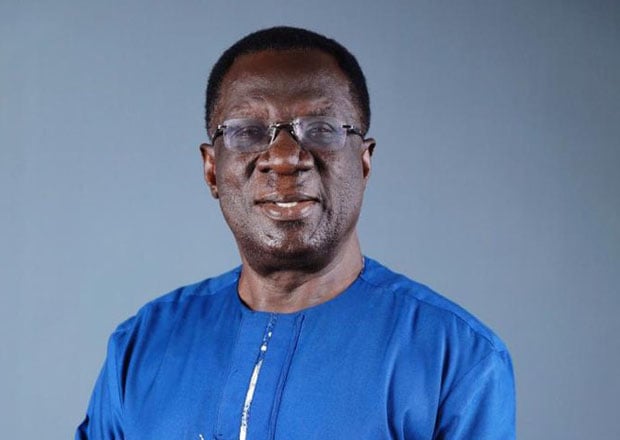
The case involving Professor Christopher Ameyaw-Akumfi, former Board Chairman of the Ghana Infrastructure Investment Fund (GIIF), and Solomon Asamoah, the former CEO of GIIF, revolves around allegations of financial impropriety related to the transfer of $2 million of public funds into a private account. Specifically, the prosecution alleges that the funds were moved without proper authorization or due diligence into an account belonging to Africa Investor Holdings, purportedly for a Sky Train project that never materialized. This transaction, according to the state, represents a significant financial loss to Ghana and a violation of established legal and administrative procedures governing the use of public funds.
Professor Ameyaw-Akumfi, after missing two prior court appearances citing medical emergencies, pleaded not guilty to the charges brought against him: wilfully causing financial loss to the state, intentional dissipation of public funds, and conspiracy to commit crime. His co-accused, Solomon Asamoah, also pleaded not guilty to similar charges. The court subsequently granted Professor Ameyaw-Akumfi bail in the sum of GH¢10 million with specific conditions attached. These conditions include providing two sureties, who must justify their capacity to guarantee the bail amount with landed property located within the Greater Accra Region. Furthermore, he is required to surrender his passport and all other travel documents to the court and report weekly to the investigating officer.
The core of the prosecution’s case rests on the assertion that the $2 million transfer was executed without adhering to the requisite legal and administrative protocols. They argue that the lack of due diligence and proper authorization in this transaction directly resulted in the loss of public funds. The state further claims that the actions of both accused parties, during their respective tenures at GIIF, were instrumental in facilitating this allegedly illegal transfer. The prosecution is expected to present evidence demonstrating the lack of authorization, the absence of due diligence, and the ultimate financial loss incurred by the state as a consequence of this transaction.
The defense, on the other hand, will likely challenge the prosecution’s narrative by arguing that the transfer was conducted in good faith and within the bounds of the prevailing regulations. They may contend that the intended purpose of the transfer, the Sky Train project, was a legitimate investment opportunity and that the process followed, while perhaps not perfectly documented, was not deliberately malicious or intended to cause financial loss to the state. They may also seek to demonstrate that the accused parties acted in accordance with their understanding of their roles and responsibilities within GIIF and that they were not aware of any wrongdoing at the time of the transaction.
The upcoming trial will delve into the intricacies of the transaction, examining the documentation, communication records, and testimonies of various individuals involved in the decision-making process. The prosecution will strive to establish a clear link between the actions of the accused and the alleged financial loss, while the defense will attempt to cast doubt on the prosecution’s evidence and provide alternative explanations for the transfer. The court will then be tasked with assessing the credibility of both sides and determining whether the actions of Professor Ameyaw-Akumfi and Solomon Asamoah constitute the crimes they are charged with. The case has been adjourned to June 10th, offering both the prosecution and the defense time to prepare their arguments and gather further evidence.
The implications of this trial extend beyond the individuals involved. It raises crucial questions about accountability, transparency, and the proper management of public funds in Ghana. The outcome of the case will likely influence future practices related to public investments and reinforce the importance of adhering to strict financial regulations. The trial will also serve as a test of Ghana’s legal system and its ability to effectively address allegations of financial misconduct within public institutions. The public will be closely watching the proceedings, eager to see justice served and to understand the full circumstances surrounding this controversial transfer of public funds.









