









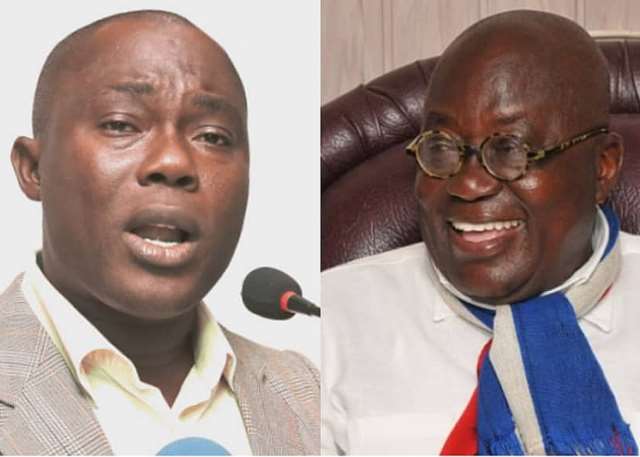
President Nana Akufo-Addo’s leadership has come under significant scrutiny, particularly from notable figures in academia and politics, such as Professor Ransford Gyampo from the University of Ghana. During a discussion on TV3’s The Key Points, Prof. Gyampo expressed strong sentiments regarding the President’s failure to fulfill the expectations he set during his campaign. He accused Akufo-Addo of misleading the Ghanaian populace, suggesting that the trust and goodwill they placed in him have been squandered. The political scientist’s criticisms reflect widespread discontent among citizens who feel that the promises made before his election have not been honored.
These sentiments of disillusionment are echoed by other members of the political landscape, including Dr. Arthur Kobina Kennedy, a significant figure within the New Patriotic Party (NPP). Dr. Kennedy has controversially claimed that Akufo-Addo is the “worst President in the Fourth Republic,” highlighting how the President’s administration has done little to address the various socio-economic challenges facing the nation. His critiques extend to the broader implications for the NPP, suggesting that Akufo-Addo’s failures are jeopardizing the party’s prospects in the upcoming 2024 elections. By labeling the current administration as a burden for the party, Dr. Kennedy’s remarks indicate a growing concern among party loyalists about the ability to connect with voters amidst rising dissatisfaction.
The deteriorating economic landscape in Ghana has been a focal point of criticism against the Akufo-Addo administration. Many observers have noted that rising inflation, increased cost of living, and substantial amounts of national debt have become significant hurdles for the government. Critics argue that there has been little effort to mitigate these issues, leaving many Ghanaians grappling with the financial strain these economic conditions impose. Prof. Gyampo’s observations emphasize the disconnect between government policy and the everyday realities faced by citizens, portraying a leadership that has not adequately responded to pressing national issues.
Corruption has also been a prominent theme in the critiques leveled against Akufo-Addo’s government. Allegations of mismanagement and graft within various sectors of the administration have fueled public outcry. This landscape of corruption, combined with unfulfilled promises, has contributed to a growing sense of betrayal among the populace. Many citizens expected transparency and accountability, yet reports of corruption scandals have cast a shadow over the administration’s credibility, causing further disillusionment and distrust in government institutions.
The implications of this dissatisfaction extend beyond President Akufo-Addo himself, affecting the NPP as they prepare for the forthcoming elections. With Dr. Mahamudu Bawumia positioned as the party’s candidate, the criticisms surrounding Akufo-Addo’s tenure are seen as a potential liability for his campaign. Dr. Kennedy’s assertion that Akufo-Addo’s poor performance represents an “albatross” around Bawumia’s neck reflects concerns that the failures of the current administration will hinder the party’s ability to effectively connect with voters. This raises questions about the NPP’s strategy for the elections, as they must address the discontent while presenting a unified front ahead of the electoral process.
In summary, the backlash faced by President Akufo-Addo, articulated by figures such as Prof. Gyampo and Dr. Kennedy, sheds light on the growing frustration with his administration. The perception of betrayal and unfulfilled promises has tarnished his image, leading to concerns about the NPP’s electoral viability going into the 2024 elections. With significant socio-economic challenges and issues of corruption looming large, the path forward for both President Akufo-Addo and the NPP remains steeped in difficulty as they confront the realities of their governance under intense scrutiny from the Ghanaian populace. This scenario compels the party to rethink their strategies if they wish to reclaim the trust and support of the electorate.









