





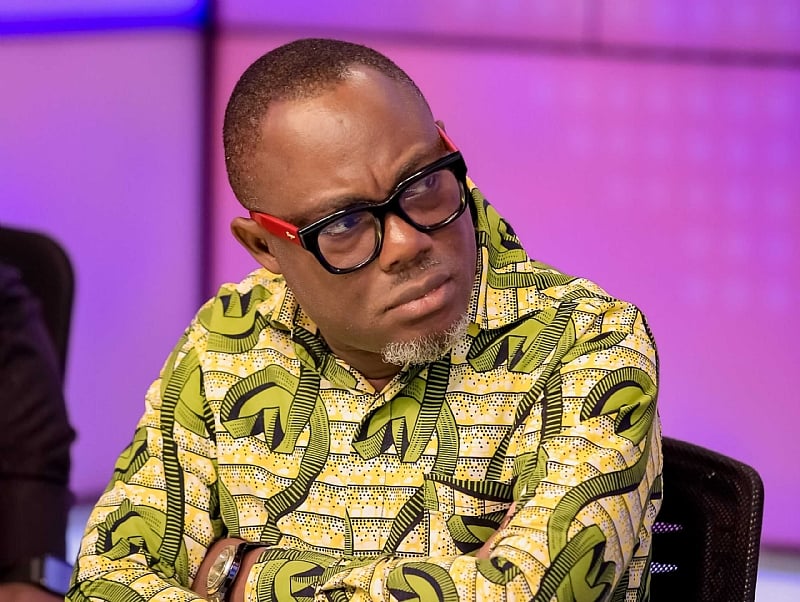
In recent discussions surrounding the state of governance in Ghana, Prof. Ransford Gyampo, a senior political science lecturer, has stressed the critical need for Ghanaians to hold their leaders accountable to foster genuine progress. He argues that a culture of accountability is essential to preventing mediocrity from pervading the nation’s leadership. In a Facebook post, he urged citizens to develop the capacity to scrutinize their leaders rigorously, warning that without such vigilance, political leaders may mislead the public while garnering undue praise for lackluster performance. Prof. Gyampo’s sentiments mirror a broader discontent with Ghana’s political climate, where calls for transparency and competence are growing louder as citizens grapple with various socio-economic challenges.
These calls for accountability have been echoed by other influential figures, including Franklin Cudjoe, the founder of IMANI Africa. Cudjoe has been vocal in critiquing the ruling New Patriotic Party (NPP) for what he perceives as its failure to manage the Ghanaian economy effectively. His recent comments during an interview on Channel One TV highlighted his disappointment in Vice President Dr. Mahamudu Bawumia’s silence regarding pressing economic concerns, such as the rising inflation and unstable exchange rates. Cudjoe contends that the government’s frequent references to external factors, such as the COVID-19 pandemic and the Russia-Ukraine war, are insufficient to explain the current economic malaise, underscoring the need for internal accountability and effective governance.
The implications of these arguments are significant for Ghana’s political landscape. Both Gyampo and Cudjoe represent a growing faction of citizens and experts who are disillusioned with the existing leadership. They advocate for a concentrated effort to demand better governance, arguing that failure to do so will only perpetuate cycles of mediocrity that have plagued the nation. Cudjoe’s insistence that alternatives exist—suggesting that his team could manage the economy more effectively if given the opportunity—challenges the status quo and encourages discussions about what competent leadership should look like moving forward.
Furthermore, the economic realities facing the populace magnify the urgency of these discussions. High inflation rates and fluctuating exchange rates not only diminish citizens’ purchasing power but also threaten economic stability and growth. As Ghanaians experience increasing hardship, the demand for accountability becomes not just a political stance but a fundamental necessity for survival and improvement. The frustration expressed by citizens over the management of the economy is palpable, with many calling for renewed focus on innovative solutions and strategic leadership that prioritizes the welfare of the populace.
This narrative is critical as it situates the call for accountability within the larger context of national priorities. The alignment of voices like Gyampo and Cudjoe suggests a collective yearning for transformative leadership that does not shy away from difficult truths or challenges. Their arguments serve as a reminder that citizens have a role in shaping political accountability and that leadership must evolve to meet the demands of the times. Public discourse around these issues is vital, as it can mobilize citizens to actively engage in political processes rather than remain passive observers of their governance.
In conclusion, the conversation initiated by Prof. Ransford Gyampo and expanded by Franklin Cudjoe highlights an essential crossroads in Ghana’s political and economic journey. As calls for accountability resonate across various sectors of society, Ghanaians are reminded of their intrinsic power to influence leadership standards. The growing impatience with ineffective governance sheds light on the need for transformative leadership that genuinely addresses the needs of citizens. By fostering an environment where accountability is the norm rather than the exception, there is hope for a brighter future where capable leaders prioritize progress over mediocrity.








