





Paragraph 1: The Legal Challenge
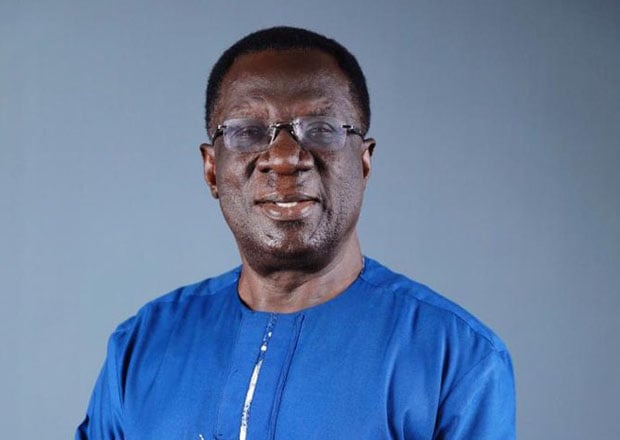
Professor Christopher Ameyaw-Akumfi, Board Chairman of the Ghana Infrastructure Investment Fund (GIIF), has launched a robust legal challenge against the charges leveled against him in the controversial Accra Skytrain case. He has filed an application with the Accra High Court to dismiss the charges of conspiracy to commit a crime, causing financial loss to the state, and willful dissipation of public funds. Prof. Ameyaw-Akumfi argues that the prosecution’s case is premature and legally flawed, asserting a violation of "legal condition precedent" necessary for initiating the case. This challenge marks a significant development in the ongoing legal saga surrounding the failed Accra Skytrain project and the alleged misuse of $2 million in public funds.
Paragraph 2: The Constitutional Question
Central to Prof. Ameyaw-Akumfi’s defense is a constitutional question he has raised, requesting the High Court to refer the matter to the Supreme Court for interpretation. The question revolves around the apparent conflict between Section 7 of the Public Property Protection Decree, 1977 (SMCD 140), and the constitutional guarantees of a fair trial under Article 19 and the principles of prosecutorial discretion outlined in Article 296 of the Ghanaian Constitution. Section 7 of SMCD 140 essentially presumes guilt for directors and officers of corporate bodies involved in offenses related to public property, unless they can prove their lack of involvement and due diligence. Prof. Ameyaw-Akumfi contends that this presumption of guilt potentially infringes upon his constitutional right to a fair trial.
Paragraph 3: The Accra Skytrain Project and the Charges
The case stems from the now-abandoned Accra Skytrain project, an ambitious initiative conceived as a Design, Build, Finance, and Operate venture. GIIF was designated as the primary local partner and equity investor alongside Africa Investor Holdings (Proprietary) Limited. The project involved a complex financial arrangement, including a shareholder agreement and the transfer of ownership in Ai Skytrain Consortium Holdings, a Mauritius-based company. The prosecution alleges that $2 million in state funds were improperly disbursed in connection with the project, leading to the charges against Prof. Ameyaw-Akumfi and former GIIF CEO, Solomon Asamoah. Both men deny any wrongdoing and have been granted bail, with conditions requiring regular reporting to the investigating officer.
Paragraph 4: The Defense’s Argument and Stay of Proceedings
Prof. Ameyaw-Akumfi’s legal team argues that the prosecution’s case is fundamentally flawed due to the alleged failure to fulfill a prerequisite legal step before bringing charges. They contend that the prosecution jumped the gun and did not adhere to proper procedure. Furthermore, the defense maintains that the application of Section 7 of SMCD 140 poses a significant threat to their client’s right to a fair trial, emphasizing the importance of the Supreme Court’s interpretation of the constitutional issue. Consequently, Prof. Ameyaw-Akumfi has requested a stay of proceedings in the High Court pending the Supreme Court’s ruling.
Paragraph 5: The Prosecution’s Case and Witness Strategy
The Office of the Attorney General, leading the prosecution, plans to present eight witnesses to support its case. Chief State Attorney Sefakor Batse has confirmed that witness statements and accompanying exhibits have been filed with the court. Intriguingly, the prosecution has also sought and obtained permission to withdraw statements from four other potential witnesses. The reasons for this withdrawal remain undisclosed, but the defense did not object to the motion, and the judge subsequently struck out those statements. This strategic move by the prosecution raises questions about the strength and direction of their case.
Paragraph 6: The Next Steps and Key Issues
The Accra High Court is scheduled to hear Prof. Ameyaw-Akumfi’s application on July 9, 2025. This hearing will be crucial in determining the future trajectory of the case. The court will need to address the defense’s arguments regarding the alleged procedural flaws and decide whether to grant the stay of proceedings pending the resolution of the constitutional question by the Supreme Court. The outcome of this hearing will significantly impact the ongoing legal battle and the pursuit of accountability in the Accra Skytrain affair. Key issues to be considered include the interpretation of SMCD 140, the right to a fair trial, and the prosecution’s burden of proof in demonstrating the alleged misuse of public funds.








