









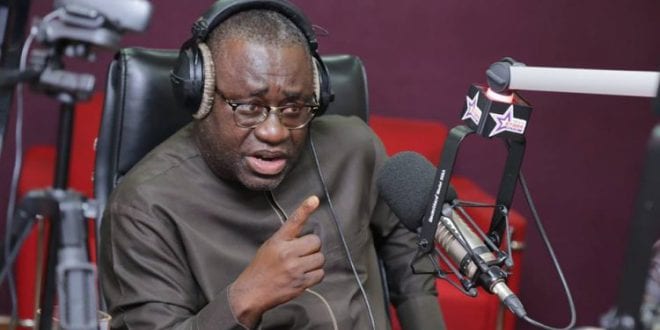
Professor Kwesi Aning, a prominent security consultant and academic, has characterized the eight years of the Akufo-Addo administration as a particularly challenging period in his professional life, marked by constraints on his freedom of expression and academic pursuits. He described these years as a period of “hell,” highlighting the difficulties he faced in carrying out his duties without fear of reprisal. This experience underscores the broader challenges faced by professionals, particularly those in academia and fields like security analysis, who often find themselves navigating the complexities of politically sensitive environments. The pressure to conform to the expectations of those in power can create a chilling effect, potentially stifling critical analysis and open dialogue, which are crucial for informed decision-making and democratic governance.
Professor Aning’s account reveals the specific ways in which his professional life was impacted. He contrasts his earlier ability to speak and write freely, going to bed without fear of repercussions, with the subsequent atmosphere of intimidation he experienced. He mentions threats to his salary and attempts to influence his employment through contact with former superiors. These actions, seemingly aimed at silencing or controlling his professional output, represent a significant departure from the principles of academic freedom and the open exchange of ideas. Such pressures can undermine the integrity of research and analysis, potentially leading to self-censorship and a reluctance to address critical issues that might be perceived as challenging the prevailing political narrative.
The implications of Professor Aning’s experience extend beyond his individual circumstances. They raise broader concerns about the potential erosion of democratic norms and the shrinking space for critical voices within Ghanaian society. When academics and analysts feel compelled to curtail their research or soften their critiques for fear of retribution, the public discourse suffers. Robust and independent analysis is essential for holding power accountable, informing public policy, and fostering a healthy democracy. Professor Aning’s account serves as a cautionary tale about the dangers of political interference in academic and professional spheres.
The professor’s comments also underscore the importance of creating an environment where professionals can contribute their expertise without fear of reprisal. He expresses a desire for the space to do his work effectively, to contribute to national development, and to assist the government in its responsibilities. This highlights the inherent value of independent analysis and expertise in policy formulation and implementation. When professionals are empowered to offer their insights freely, without fear of political pressure, the government and the nation as a whole benefit from a wider range of perspectives and more robust policy options. A climate of open dialogue and mutual respect between government and academia is essential for effective governance and national progress.
Professor Aning’s hope for a more conducive working environment under the new John Dramani Mahama administration reflects a desire for a return to professional autonomy and respect for academic freedom. His plea for the space to contribute his expertise without fear of repercussions speaks to the essential role of independent analysis in a healthy democracy. It also underscores the importance of creating an environment where professionals feel empowered to speak truth to power, offering critical insights and contributing to national development without fear of retribution. The new administration has an opportunity to foster such an environment, reaffirming the value of independent thought and open dialogue in strengthening democratic institutions and promoting informed policymaking.
The experiences recounted by Professor Aning serve as a reminder of the delicate balance between political power and academic freedom. His desire for a more supportive professional environment underscores the need for a commitment to protecting the space for critical voices and fostering a culture of open dialogue. The ability of experts like Professor Aning to contribute their knowledge and insights without fear of reprisal is crucial for the health of any democracy, and it is incumbent upon those in positions of power to ensure that such an environment exists. The future of Ghana’s democratic discourse hinges on the ability of its citizens, including academics and professionals, to express themselves freely and contribute to national development without fear of censorship or retribution.









