The Peoples Redemption Party (PRP) and the African Democratic Congress (ADC), two Nigerian opposition parties, have embarked on preliminary merger discussions, aiming to create a formidable force capable of challenging the ruling All Progressives Congress (APC) in the 2027 general elections. This development follows recent pronouncements by other opposition figures, including former Vice President Atiku Abubakar and former Anambra Governor Peter Obi, hinting at potential alliances to unseat the APC. The PRP and ADC’s move signals a growing recognition among opposition parties that a united front is crucial to effectively compete with the incumbent party. The timing of the announcement is particularly noteworthy, coming just days after the APC dismissed the possibility of any opposition alliance posing a serious threat to President Bola Tinubu’s re-election bid. This suggests a strategic attempt by the PRP and ADC to demonstrate their seriousness and commitment to building a viable alternative to the APC’s dominance.
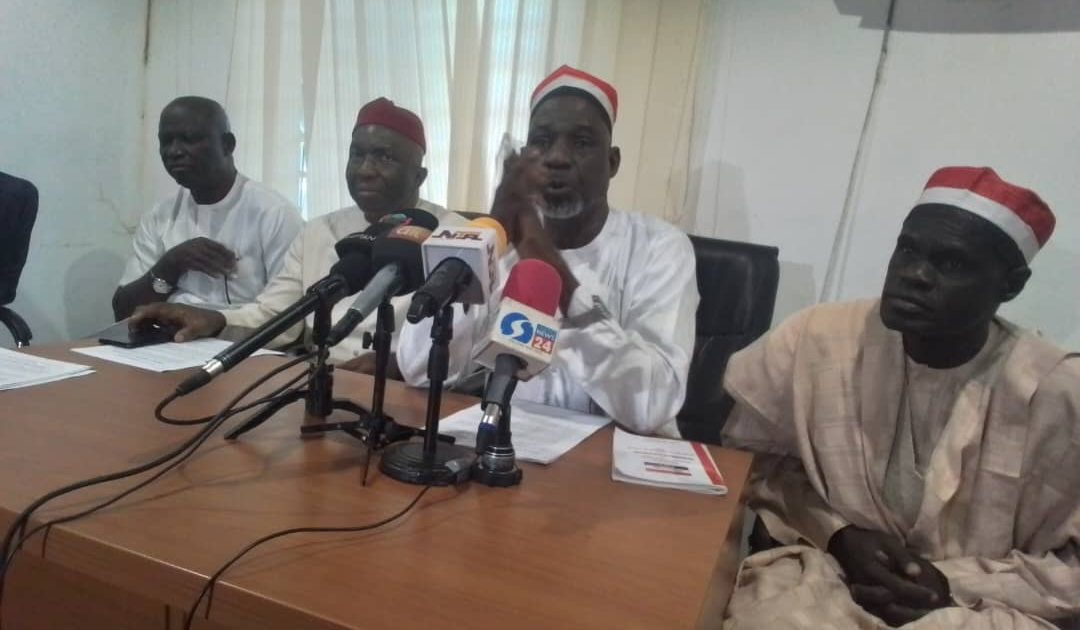
The PRP Chairman, Falalu Bello, confirmed the merger talks during a joint press conference with his ADC counterpart, Ralph Nwosu. Bello emphasized the PRP’s historical experience with successful political alliances, citing their role in forming a government in Kaduna state in 1979 through a coalition with other parties. He explicitly welcomed other parties and individuals to join their effort, contrasting their open-door policy with what he characterized as the money-driven politics of the APC and the Peoples Democratic Party (PDP). Bello’s rhetoric positioned the PRP and ADC as principled alternatives to the established players, appealing to those disillusioned with the current political landscape. He signaled a willingness to prioritize the national interest over personal ambitions, even suggesting a readiness to step down from his leadership position if it served the greater good of the alliance.
Nwosu echoed Bello’s sentiments, highlighting the shared ideology between the PRP and ADC as the driving force behind their collaboration. He described the ongoing discussions as more than just an election-focused strategy, emphasizing their commitment to building a lasting political legacy. Nwosu emphasized the widespread public dissatisfaction with the status quo, particularly in light of the current economic hardships faced by Nigerians. He framed the potential merger as a response to this public sentiment, aiming to offer a fresh start and a genuine alternative to the existing political order. Nwosu’s comments underscored the intention to create a party grounded in principles and vision, rather than a temporary vehicle for electoral gain.
The potential merger between the PRP and ADC represents a significant development in the Nigerian political landscape. It reflects a growing trend among opposition parties to explore collaborative strategies in the face of the APC’s formidable political machinery. By joining forces, these smaller parties aim to amplify their collective voice and present a more cohesive challenge to the ruling party. The success of this endeavor will hinge on several factors, including the ability to attract other parties and prominent political figures to their cause, the development of a compelling political platform that resonates with the electorate, and the effective mobilization of grassroots support.
The emphasis on shared ideology by both Bello and Nwosu suggests a desire to create a party with a distinct identity and clear political direction. This sets them apart from purely opportunistic alliances driven solely by the desire to win elections. However, the challenge will be to translate this shared ideology into concrete policies and programs that address the pressing concerns of the Nigerian populace. The current economic hardship, mentioned by Nwosu, provides a focal point for their efforts. Developing a comprehensive economic agenda that offers tangible solutions to issues such as unemployment, inflation, and poverty will be crucial to gaining public trust and support.
The PRP and ADC’s initiative also reflects a broader trend towards consolidation within the Nigerian opposition. Recognizing the limitations of fragmented opposition, several parties are exploring alliances and mergers to create a more unified front against the ruling APC. This reflects a growing understanding that a divided opposition plays into the hands of the incumbent party. The success of the PRP and ADC’s merger talks may serve as a catalyst for further realignments within the opposition, potentially leading to the emergence of a stronger, more cohesive force capable of challenging the APC’s dominance in the 2027 elections. The political climate leading up to the 2027 elections will undoubtedly be shaped by these ongoing discussions and negotiations, as parties jockey for position and seek to build alliances that can effectively compete for power.