









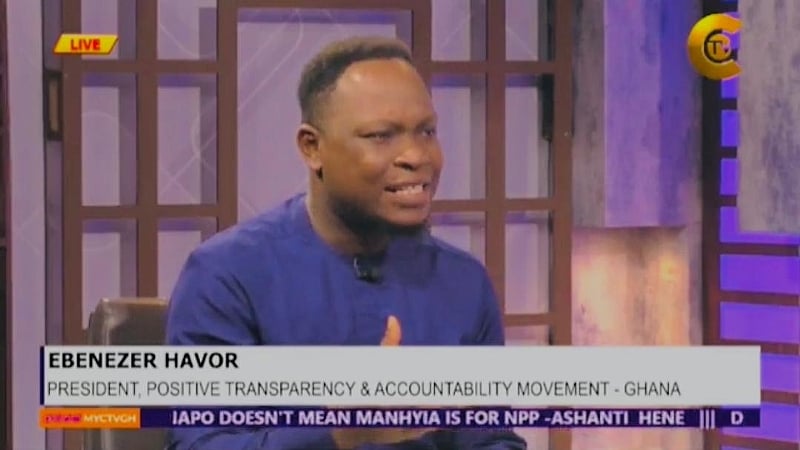
The Positive Transparency and Accountability Movement Africa (PTAAM-Africa) has issued a scathing indictment of the Akufo-Addo-Bawumia administration in Ghana, alleging a pervasive pattern of corruption and mismanagement during their tenure. The movement’s statement catalogs 118 alleged instances of malfeasance, ranging from questionable financial dealings and procurement breaches to cronyism and outright abuse of power. These accusations paint a picture of a government prioritizing personal gain over the welfare of the Ghanaian people, severely eroding public trust and confidence in the country’s governance systems. PTAAM-Africa insists on a thorough and independent inquiry into these matters to ensure accountability and justice.
The list of alleged offenses is extensive and varied. Significant financial losses are highlighted, such as the controversial Power Distribution Services (PDS) deal, which reportedly cost the nation millions of dollars, and the alleged payment of GHC 1 million to Kroll Associates for services the Auditor-General claims were never rendered. Further financial mismanagement allegations include GHC 9.6 billion lost to corruption since 2017, an extravagant GHC 4.5 million expenditure on the African Cup of Nations (AfCON), and a questionable GHC 283 million paid in judgment debt. The movement also points to the alleged disappearance of $12 million worth of fertilizer intended for the Planting for Food and Jobs program and over 600,000 liters of contaminated fuel from the Bulk Oil Storage and Transportation Company (BOST).
Beyond financial irregularities, PTAAM-Africa accuses the administration of cronyism and abuse of power. Examples cited include sole-sourcing lucrative contracts to family members and associates, appointing individuals to positions in non-existent entities, and using public funds for personal gain, such as renovating private residences and funding lavish lifestyles. The statement also alleges attempts to silence critics and journalists, including the suspension of an Economic and Organized Crime Office (EOCO) official for calling for the prosecution of corrupt officials and the dismissal of a National Identification Authority (NIA) staff member for criticizing the President on social media.
The movement’s statement further details instances of alleged misconduct within various government agencies and ministries. It highlights controversial appointments, inflated allowances, and questionable procurements, implicating officials across multiple sectors. These alleged actions, according to PTAAM-Africa, demonstrate a blatant disregard for established procedures and a culture of impunity within the administration. The statement also raises concerns about the government’s handling of security matters, citing incidents such as militants training at the Presidency Annex and the alleged involvement of presidential staffers in illegal mining (galamsey) activities.
PTAAM-Africa underscores the gravity of these allegations and their impact on the Ghanaian public. The movement argues that such widespread corruption undermines the country’s development efforts, diverts resources from essential services, and perpetuates inequality. They emphasize the urgent need for a comprehensive investigation, independent of government influence, to determine the veracity of these claims and hold those responsible accountable. This, they believe, is crucial for restoring public trust and strengthening Ghana’s democratic institutions.
The movement’s call for transparency and accountability comes amidst previous government denials and dismissals of similar corruption allegations. The administration has often characterized such reports as politically motivated or based on misrepresented facts. However, the sheer volume and detail of the allegations presented by PTAAM-Africa necessitate a serious and impartial examination. The future of Ghana’s governance hinges on addressing these concerns and ensuring that public resources are used responsibly and ethically.









