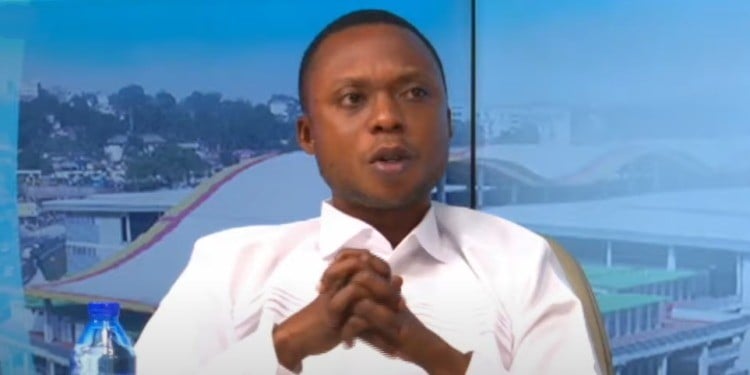
Joseph Azumah, the newly elected Member of Parliament (MP) for the Adansi Akrofuom Constituency, representing the National Democratic Congress (NDC), has issued a stark warning about the growing disillusionment among Ghanaians with the political class. Speaking on Oyerepa Breakfast Time, Azumah expressed deep concern over the erosion of public trust, attributing it to the pervasive failure of politicians to deliver on their campaign promises. This breach of faith, he argues, has led to widespread apathy and cynicism towards politics, potentially jeopardizing Ghana’s democratic foundations. Azumah cautioned that if this trend of unfulfilled promises continues unchecked, it could lead to a complete disengagement of citizens from the political process, a scenario he describes as dangerous for the nation’s democratic future. He foresees a time when campaign rallies will be deserted, and political messages will fall on deaf ears, as Ghanaians tire of empty rhetoric and unmet expectations.
Azumah’s concerns reflect a broader sentiment of dissatisfaction with the political establishment in Ghana. The public perceives a disconnect between the promises made during election campaigns and the actions taken once in office. This perceived lack of accountability fuels cynicism and erodes the public’s faith in the political system. The cycle of broken promises contributes to a sense of powerlessness among citizens, who feel their voices are not heard and their needs are ignored. This disengagement poses a significant threat to the health of Ghana’s democracy, as it weakens the vital link between the government and the governed. The foundation of a thriving democracy rests on the active participation of its citizens, and when that participation wanes due to disillusionment, the entire system becomes vulnerable.
The MP-elect’s warning serves as a timely reminder of the crucial role of accountability and transparency in maintaining a robust democracy. Politicians must be held responsible for the promises they make, and they must demonstrate a genuine commitment to serving the needs of their constituents. The erosion of public trust is not merely a political issue; it has far-reaching consequences for the social and economic fabric of the nation. When citizens lose faith in their elected representatives, it can lead to social unrest, economic instability, and a decline in civic engagement. Moreover, it creates an environment where corruption can flourish, as those in power feel less accountable to the people they serve.
Despite his concerns, Azumah offers a glimmer of hope, emphasizing the possibility of reversing this negative trend. He pledges to lead by example, demonstrating that politicians can be accountable and responsive to the needs of the people. He commits to transparency in his dealings and emphasizes his determination to fulfill the promises he made during his campaign. This commitment to accountability and transparency is crucial for rebuilding public trust. By demonstrating a genuine commitment to serving their constituents, politicians can begin to bridge the gap between rhetoric and reality, restoring faith in the political process.
Azumah’s victory in the Adansi Akrofuom Constituency, a traditionally New Patriotic Party (NPP) stronghold, is significant. It represents a notable gain for the NDC in the Ashanti Region during the 2024 general elections and signifies a potential shift in the political landscape. His victory could be interpreted as a reflection of the electorate’s desire for change and a yearning for representatives who prioritize accountability and responsiveness. It also underscores the importance of engaging with the concerns of the electorate and demonstrating a genuine commitment to addressing their needs.
Azumah’s warning, coupled with his pledge to lead by example, provides an opportunity for reflection and renewal within the Ghanaian political landscape. It is a call for politicians to prioritize the needs of the people, uphold the principles of accountability and transparency, and work towards restoring public trust in the democratic process. The future of Ghana’s democracy depends on the responsiveness of its political leaders to the concerns of its citizens and their willingness to work towards building a more inclusive and representative political system. By prioritizing the needs of the people and demonstrating a genuine commitment to serving their constituents, politicians can begin to rebuild the trust that is essential for a healthy and vibrant democracy.