









Paragraph 1: Putin’s Readiness for Talks and Regret over Delayed Offensive
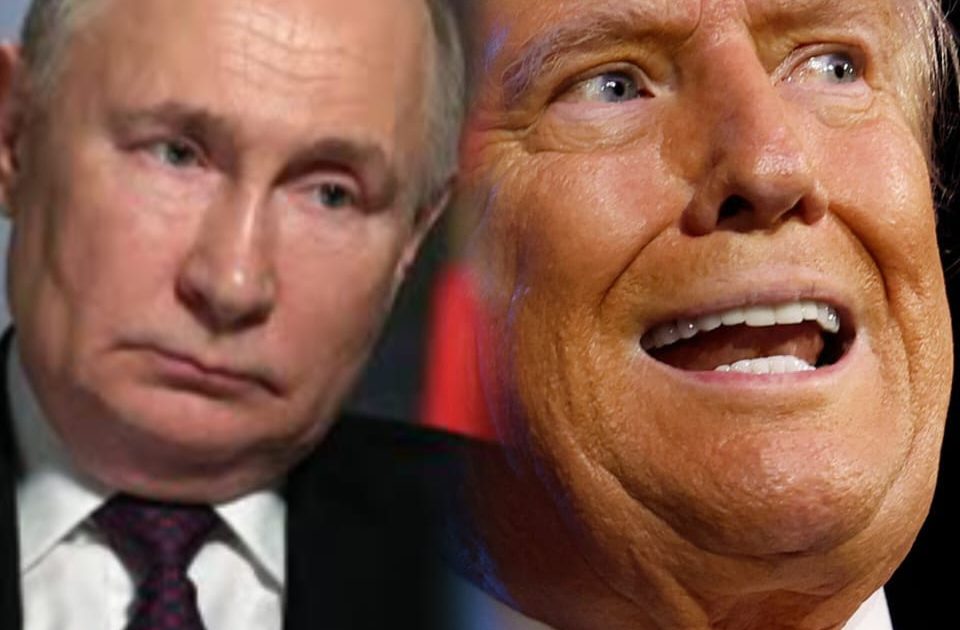
Russian President Vladimir Putin expressed his willingness to engage in discussions with US President-elect Donald Trump "at any time," while simultaneously admitting his regret for not initiating Moscow’s full-scale offensive in Ukraine earlier. This statement, made during Putin’s annual end-of-year press conference, comes amidst Trump’s calls for renewed negotiations, raising concerns in Kyiv about potential pressure to accept a peace agreement favorable to Moscow. Putin projected confidence in Russia’s military progress, claiming battlefield superiority, even as Ukrainian authorities reported casualties from Russian attacks and President Zelensky engaged in talks with EU leaders in Brussels.
Paragraph 2: Uncertainty Surrounding Kursk and Economic Challenges
Despite his confident demeanor, Putin acknowledged uncertainty regarding the timeline for reclaiming areas of Russia’s Kursk region occupied by Ukrainian forces since August. This admission, made in response to a question during the televised press conference, highlighted the complexities of the ongoing conflict. Beyond the military front, Putin faced questions about Russia’s economic landscape, strained by increased military spending and labor shortages. While maintaining that the situation remained "stable," he conceded concerns about rising inflation, particularly affecting food prices, acknowledging the impact of Western sanctions, though downplaying their overall significance. He expressed hope for a "balanced" decision from the central bank regarding interest rates, aiming to curb inflation.
Paragraph 3: Hypersonic Missile Threat and Security Service Critique
Putin seemingly reiterated his threat to target Kyiv with Russia’s advanced hypersonic ballistic missile, known as Oreshnik. Proposing a "hi-tech duel" with the West, he suggested a test of the missile’s capabilities against air defenses concentrated in Kyiv, a provocative statement met with strong condemnation from Zelensky. In a rare moment of criticism directed at Russia’s security services, Putin expressed dissatisfaction with their handling of recent high-profile killings, including that of a senior Russian army general in Moscow, an act claimed by Kyiv and labeled as "terrorism" by Putin. He demanded greater vigilance and accountability to prevent such "serious blunders."
Paragraph 4: Reflection on the Timing of the Offensive and Assessment of the Syrian Situation
Reflecting on the trajectory of the conflict, Putin admitted that, with hindsight, he would have launched the offensive in Ukraine earlier, indicating a belief that earlier intervention would have been advantageous. He stressed the importance of prior preparation for such operations, using the official term "special military operation" to refer to the ongoing conflict. Shifting focus to Syria, Putin rejected the notion that the fall of former Syrian President Bashar al-Assad represented a Russian defeat. He maintained that Russia’s primary objective in Syria was to prevent the establishment of a terrorist enclave, similar to Afghanistan, asserting that this goal had largely been achieved.
Paragraph 5: Putin’s Willingness for Dialogue and Trump’s Stance
Putin reiterated his openness to a meeting with President-elect Trump, highlighting a readiness for dialogue and the potential for meaningful discussions. He acknowledged a prolonged period without communication, spanning over four years, yet expressed optimism for future engagement. This statement comes in response to Trump’s own overtures regarding negotiations, creating anticipation for potential diplomatic interactions between the two leaders. The prospect of such a meeting, and its implications for the Ukrainian conflict, remains a significant point of interest.
Paragraph 6: The Human Cost of Conflict and the Search for Resolution
While Putin engaged in discussions of military strategy and geopolitical considerations, the human cost of the ongoing conflict remained starkly evident. The reported casualties from Russian attacks in northeastern Ukraine served as a grim reminder of the ongoing suffering and displacement caused by the war. President Zelensky’s meetings with EU leaders underscored the international community’s concern and the ongoing diplomatic efforts to find a resolution. The contrasting perspectives and priorities of the involved parties highlight the immense challenge in achieving a peaceful and sustainable outcome. The convergence of military developments, economic pressures, and diplomatic initiatives creates a complex and dynamic environment, with the potential for significant shifts in the course of the conflict.









