









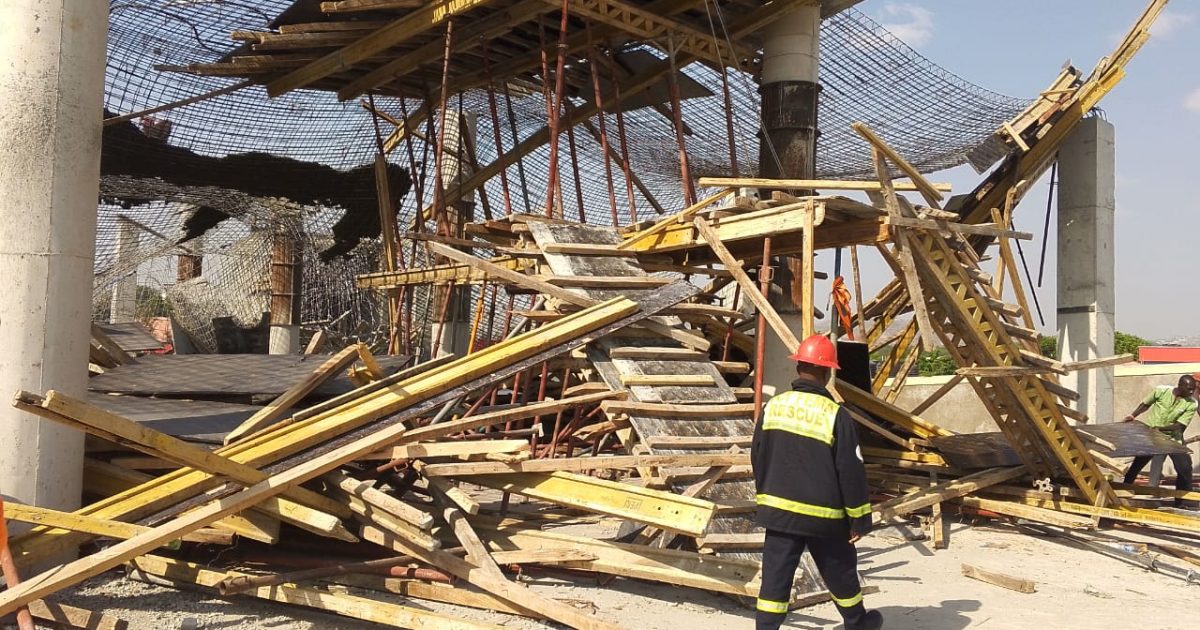
The Nigerian Institute of Quantity Surveyors (NIQS) has issued a resounding call for intensified regulatory oversight and stringent sanctions within the construction industry to combat the persistent issue of building collapses plaguing the nation. Expressing deep concern over the recurring tragedies, NIQS President, Kene Nzekwe, emphasized the urgency of government intervention while highlighting the Institute’s ongoing efforts to address the problem. Nzekwe underscored the importance of incorporating cost elements into building plan approvals to deter deviations from approved designs and ensure adherence to quality standards. He advocated for engaging certified professionals, particularly those regulated by professional bodies, to oversee construction projects, thereby minimizing the risk of structural failures. The NIQS President stressed the government’s crucial role in enforcing regulations and sanctioning non-compliance, as these measures are essential for preventing future collapses. He further emphasized the need for qualified professionals to superintend every stage of the construction process, from initial approvals to the final building phase, ensuring compliance and adherence to established standards.
The NIQS conference, themed “Strengthening the Quantity Surveying Practices and Processes for Growth and Sustainability in a Turbulent Economy,” addressed the critical role of construction management in Nigeria’s current economic climate. Nzekwe highlighted the Institute’s commitment to providing expert advice and solutions to mitigate project abandonment due to economic turbulence. The conference sought to explore strategies to support the construction sector and advise the government on best practices to ensure the successful completion of projects, especially public infrastructure initiatives. Nzekwe reiterated the NIQS’s dedication to working with stakeholders to develop sustainable solutions that safeguard the industry from economic downturns.
Nzekwe stressed the importance of incorporating cost elements into building plan approvals to prevent deviations and ensure adherence to quality standards. The practice of accurately estimating and including project costs in the approval process can deter potential cost-cutting measures that compromise structural integrity. He also emphasized that engaging qualified professionals regulated by professional bodies is crucial for overseeing construction projects and minimizing the risk of collapses. Relying on certified experts ensures adherence to professional standards and minimizes the likelihood of errors that could lead to structural failures.
The government’s role in enforcing regulations and sanctioning non-compliance is paramount in preventing building collapses. Nzekwe called for stricter enforcement of existing regulations and the implementation of robust sanction mechanisms to deter unprofessional practices within the construction industry. He emphasized that consistent oversight and accountability are crucial for maintaining quality and safety standards in construction projects. He also stressed the need for qualified professionals to oversee every stage of a project, from initial approvals to the final building phase. This rigorous oversight ensures adherence to established standards and minimizes the risk of errors or deviations that could compromise structural integrity.
Obafemi Onashile, President of the Quantity Surveyors Registration Board of Nigeria, echoed the call for collaboration and proposed the establishment of an independent body to oversee the construction industry. He expressed concern over the fragmentation within the industry, citing a lack of collaboration among professionals as a major challenge. Onashile advocated for the creation of a self-funding, independent commission to coordinate and regulate the entire industry, promoting synergy and ensuring better outcomes for the country and its citizens. This centralized body would facilitate collaboration, standardize practices, and enhance the overall quality and safety of construction projects in Nigeria.
The proposed building and engineering construction commission would address the current fragmentation and coordination deficit within the industry, promoting synergy and improved standards. This independent body would oversee all aspects of the construction process, facilitating collaboration among professionals and ensuring adherence to established regulations. The commission would also play a vital role in implementing best practices, promoting innovation, and enhancing the overall quality and safety of construction projects in Nigeria. This centralized approach to oversight would strengthen the industry, mitigate risks, and foster sustainable growth within the sector.









