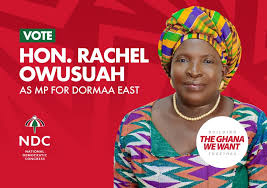
The 2024 parliamentary elections in Ghana’s Dormaa East constituency witnessed a historic shift in political power, marked by the victory of Ms. Rachel Amma Owusuaa, the National Democratic Congress (NDC) candidate. Owusuaa’s triumph resonated with the electorate, securing her 12,310 votes and unseating the incumbent New Patriotic Party (NPP) MP, Mr. Paul Apreku Twum-Barima, who garnered 12,050 votes. This narrow margin of victory underscores the fiercely competitive nature of the election, highlighting Owusuaa’s effective campaign strategy and the changing political landscape within the constituency. The presence of an independent candidate, Emmanuel Twih Gyabaah, who secured 126 votes, further diversified the political field, albeit without significantly impacting the final outcome. The total valid votes cast were 24,486, with 314 rejected ballots, indicating a high voter turnout and engagement in the democratic process.
Owusuaa’s victory signifies a significant breakthrough for the NDC in the Dormaa East constituency, potentially signaling a shift in voter preferences and a renewed confidence in the party’s ability to address local concerns. Historically, the constituency may have leaned towards the NPP, making Owusuaa’s win a notable departure from established political trends. Her success can be attributed to a multitude of factors, including her campaign platform, her ability to connect with voters on a personal level, and perhaps a degree of dissatisfaction with the incumbent MP’s performance. The close margin, however, suggests that the NPP maintains a substantial level of support within the constituency, setting the stage for continued political contestation in future elections.
The implications of Owusuaa’s victory extend beyond the immediate confines of Dormaa East. It contributes to the broader national political landscape, potentially influencing the balance of power in parliament and shaping the direction of national policy. Her success could embolden the NDC at the national level, providing momentum for future electoral campaigns and bolstering the party’s overall standing. Furthermore, Owusuaa’s victory serves as an inspiration for other women aspiring to political office, demonstrating the increasing viability of female candidates in Ghanaian politics. Her election represents a step towards greater gender representation and inclusivity within the country’s political system.
Analyzing the election results further reveals the dynamic interplay of various factors contributing to Owusuaa’s win. Local issues, specific campaign promises, and the candidates’ individual appeal likely played significant roles in swaying voter decisions. Economic conditions, access to essential services, and the perceived responsiveness of the incumbent MP to community needs are all potential factors that could have influenced the outcome. Understanding these local dynamics is crucial for interpreting the election results and anticipating future political trends within the constituency. Furthermore, national political narratives and the overall performance of the ruling party could have also played a role in shaping voter perceptions and influencing their choices at the local level.
The election in Dormaa East also offers valuable insights into the evolving nature of Ghanaian democracy. The high voter turnout reflects a vibrant and engaged citizenry, demonstrating the importance of democratic participation in shaping the country’s future. The presence of an independent candidate, albeit with limited support, underscores the openness and competitiveness of the electoral system, allowing for diverse political voices and perspectives. The relatively peaceful and transparent nature of the election process further strengthens Ghana’s democratic credentials and reinforces its position as a model for democratic governance in the region.
Looking ahead, Owusuaa’s victory presents both opportunities and challenges. She will be tasked with fulfilling her campaign promises and effectively representing the interests of her constituents. Her ability to deliver on her commitments will be crucial for maintaining public trust and solidifying her political standing. Simultaneously, she will need to navigate the complex political landscape, build alliances, and collaborate with colleagues from various political affiliations to effectively advance her agenda. The close nature of the election results suggests that she will need to work diligently to bridge the political divide within the constituency and build a broader base of support. Her success in doing so will not only determine her own political future but also contribute to the overall stability and prosperity of the Dormaa East constituency.