









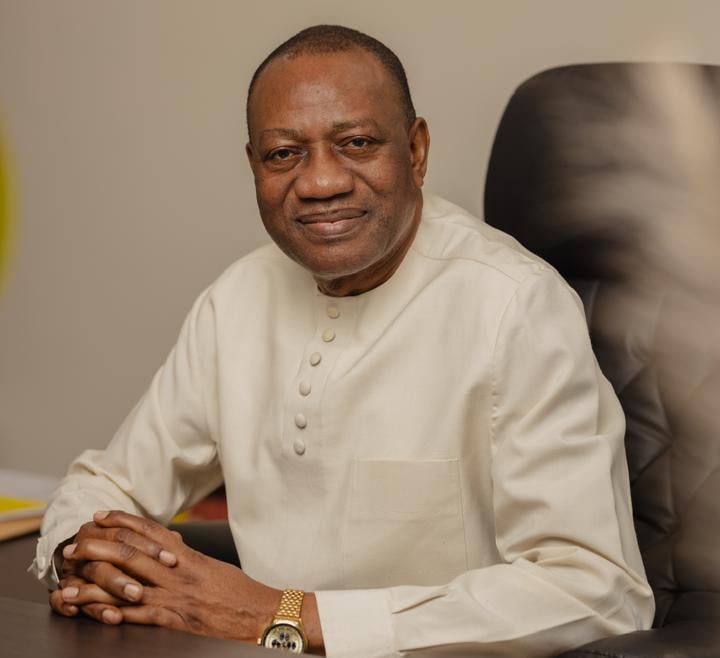
The International Labour Organization (ILO) is gearing up to host a pivotal conference on Fair Recruitment, slated for May 19-21, 2025, at its Geneva headquarters. This high-profile event, formally known as the Tripartite High-Level Session of the Fair Recruitment Initiative (FRI) Conference, will bring together key stakeholders from governments, workers’ organizations, and employers to address the critical issue of ethical recruitment practices on a global scale. Dr. Rashid Pelpuo, Ghana’s Minister for Labour, Jobs and Employment, has been appointed Co-Chair of this significant session, sharing the responsibility with Hon. Ali Bin Saeed Samikh Al Marri, Minister of Labour of the State of Qatar. Their joint leadership, supported by the Secretary-General of the International Trade Union Confederation and the Secretary-General of the International Organisation of Employers, underscores the tripartite nature of the dialogue, ensuring balanced representation and collaborative problem-solving amongst all parties involved. The conference aims to build upon the existing foundations of the Fair Recruitment Initiative and forge a path toward a more equitable and transparent global recruitment landscape.
The FRI Conference will delve into the multifaceted challenges of fair recruitment, focusing particularly on the protection of migrant and vulnerable workers. These groups are often disproportionately affected by exploitative practices, ranging from deceptive contracts and exorbitant recruitment fees to the horrors of forced labor. The conference will serve as a platform to examine these issues in depth, share best practices, and develop concrete strategies to combat these injustices. The ILO’s Fair Recruitment Initiative emphasizes a merit-based and transparent recruitment process, free from discrimination based on gender, race, or religion. By promoting these principles, the initiative seeks to create a level playing field for all workers, ensuring that opportunities are accessible based on skills and qualifications, not prejudice or exploitation. The conference will explore ways to operationalize these principles, translating them into actionable policies and practices at both national and international levels.
Dr. Rashid Pelpuo, in anticipation of the conference, highlighted the urgent need for ethical recruitment systems worldwide. He framed the issue not merely as a labor policy discussion, but as a fundamental call to action to protect the dignity and fairness of all workers. This underscores the human rights dimension of fair recruitment, recognizing that decent work and fair treatment are essential components of a just and equitable society. The conference, therefore, represents a crucial opportunity to reaffirm these principles and strengthen international cooperation towards their realization. The increasingly interconnected global labor market, characterized by heightened mobility and cross-border employment, necessitates a robust international framework for fair recruitment.
The conference aims to address the evolving dynamics of the global labor market, recognizing the need for adaptable and responsive solutions. The shifting landscape presents both opportunities and challenges. While globalization can foster economic growth and create new employment opportunities, it also carries the risk of exacerbating existing inequalities and creating new avenues for exploitation. The conference will provide a forum to analyze these trends, identifying emerging challenges and exploring innovative approaches to promote fair recruitment in a rapidly changing world. The discussions will encompass a wide range of topics, including the role of technology in recruitment, the impact of climate change on labor migration, and the need for enhanced international cooperation to address cross-border recruitment challenges.
The overarching goal of the FRI Conference is to shape a more just and inclusive recruitment framework for all workers, regardless of their nationality. This framework will be built on the principles of fairness, transparency, and non-discrimination, ensuring that workers are protected from exploitation and have access to decent work opportunities. The conference will strive to develop concrete recommendations and action plans to translate these principles into tangible outcomes. This will involve collaboration among governments, workers’ organizations, and employers, working together to create a system that benefits all stakeholders and contributes to a more equitable global economy. The conference’s success hinges on the commitment of all participants to engage constructively and forge a shared vision for a future where fair recruitment is the norm, not the exception.
Ultimately, the FRI Conference represents a critical step towards achieving a more just and equitable world of work. By bringing together key stakeholders and fostering open dialogue, the conference aims to develop practical solutions to address the complex challenges of fair recruitment. The emphasis on protecting migrant and vulnerable workers, promoting ethical recruitment practices, and adapting to the evolving dynamics of the global labor market will contribute to a more inclusive and sustainable future. The outcomes of the conference will have far-reaching implications, shaping the future of work and impacting the lives of millions of workers worldwide. The commitment of Dr. Rashid Pelpuo and his co-chair, along with the support of international labor organizations, signifies a strong push towards realizing the vision of fair and ethical recruitment for all.









