









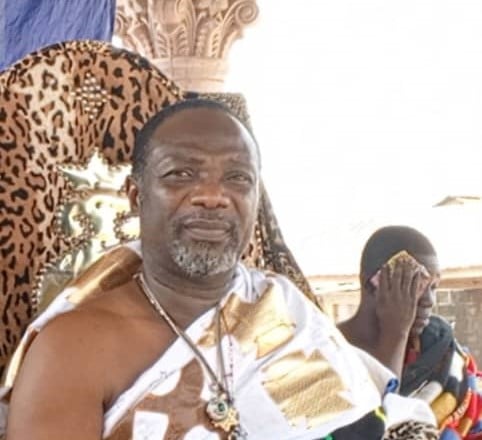
Ghana’s 68th Independence Day celebration served as a poignant moment for reflection on the nation’s journey and the path forward, particularly in the realm of economic growth and development. Obrempong Nyanful Krampah XI, Omanhene of the Gomoa Ajumako Traditional Area, articulated this sentiment in his Independence Day message, emphasizing the need to “reset” the country’s independence to prioritize economic freedom for all citizens. He viewed this as a fundamental step towards ensuring that the benefits of independence translate into tangible improvements in the lives of Ghanaians. He commended the newly elected President John Dramani Mahama and expressed optimism about his administration’s potential to bring about positive change.
Central to Obrempong Nyanful Krampah XI’s message was the concept of a “resetting agenda,” a comprehensive approach to revitalizing various sectors of the Ghanaian economy. He particularly highlighted the importance of improving the road network in the Gomoa area and the broader Central Region. He argued that efficient transportation infrastructure is crucial for facilitating the smooth movement of goods and services, thereby contributing to economic growth and ensuring that Gomoa receives its fair share of national development. This emphasis on infrastructure underscores the interconnectedness of various sectors and the need for a holistic approach to development.
The Omanhene’s call for economic freedom resonated with the aspirations of many Ghanaians seeking greater opportunities and improved living standards. His message emphasized the importance of translating political independence into economic empowerment, enabling citizens to actively participate in and benefit from the nation’s economic progress. He viewed this as a crucial step towards fulfilling the promises of independence and ensuring a more prosperous future for all.
Obrempong Nyanful Krampah XI also directed his message towards the elected Members of Parliament representing the Gomoa constituencies, urging them to actively support President Mahama’s government in its efforts to transform the lives of the people in Gomoa. He specifically mentioned Hon. Desmond Paito, Hon. Kwame Obeng Asare (Kwame A Plus), and Hon. Richard Gyan Mensah, representing Gomoa East, Gomoa Central, and Gomoa West respectively. He called on them to be proactive and impactful in their roles, working towards the betterment of their constituencies and contributing to the overall development of the Gomoa area. This call to action highlights the importance of collaboration between traditional leaders, elected officials, and the government in driving positive change.
Addressing specific concerns within the Gomoa area, Obrempong Nyanful Krampah XI appealed to President Mahama to review the ongoing construction work on the Kasoa-Winneba Highway. He raised concerns about air pollution resulting from the construction, posing environmental hazards to drivers and passengers using the road. This specific appeal reflects the Omanhene’s concern for the well-being of his people and his commitment to addressing practical challenges affecting their daily lives. His message emphasizes the importance of balancing development projects with environmental protection and ensuring that progress does not come at the expense of public health.
Furthermore, Obrempong Nyanful Krampah XI’s message conveyed a sense of continuity and appreciation for the efforts of previous administrations. He commended the NDC government for continuing projects initiated by the former President Akufo-Addo’s government, highlighting the importance of building upon past achievements to ensure sustainable development. This acknowledgement underscores the need for a collaborative and non-partisan approach to nation-building, recognizing that progress requires sustained effort across different administrations. He concluded his message with a plea to President Mahama to prioritize the improvement of roads in Gomoa, emphasizing the importance of equitable distribution of national resources and ensuring that the area receives its fair share of development. He reiterated his belief that improved road infrastructure is vital for the economic growth and prosperity of Gomoa, connecting it to wider markets and opportunities.









