









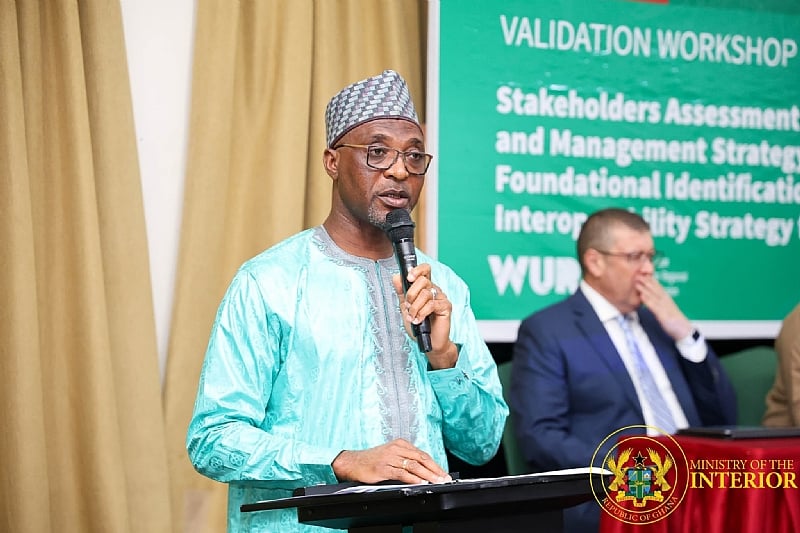
The ECOWAS region is embarking on a significant journey towards digital transformation, with a strong focus on establishing robust and interoperable digital identification systems. This initiative, championed by the West Africa Unique Identification for Regional Integration and Inclusion (WURI) program, aims to provide unique identification to every individual within the ECOWAS community. This ambitious undertaking recognizes the power of digital ID to drive economic empowerment, facilitate seamless regional integration, and foster inclusive development across West Africa. The importance of this endeavor was underscored at the ECOWAS Validation Workshop on Stakeholders’ Engagement and Foundational ID Systems Interoperability Strategies held in Accra, Ghana, where key stakeholders convened to discuss and refine strategies for achieving this goal. Ghana’s Minister of the Interior, Mr. Muntaka Mohammed-Mubarak, emphasized the critical need for a comprehensive legal and regulatory framework that protects data privacy and security while ensuring the success of these digital ID systems.
The Minister’s call for robust legal frameworks highlights the crucial balance that must be struck between leveraging the benefits of digital identification and safeguarding the privacy and security of individual data. This involves establishing clear guidelines for data collection, storage, access, and usage, ensuring that these processes adhere to international best practices and respect fundamental human rights. Furthermore, building trust and ensuring widespread adoption requires a transparent and accountable system, where individuals understand how their data is being used and have mechanisms for redress in case of misuse. The engagement of citizens, the private sector, and civil society organizations in the design and implementation processes is paramount to achieving this balance and creating a system that serves the needs of all stakeholders.
Ghana’s experience in implementing its national digital identification system provides a valuable case study for the ECOWAS region. With over 17 million Ghanaians enrolled in the National Identification System, the country has made significant strides in establishing a functional and impactful digital ID program. The Ghana Card, the nation’s flagship identification credential, plays a central role in various national systems, including social security, tax administration, and healthcare. This integration underscores the transformative potential of digital ID, streamlining processes, enhancing efficiency, and promoting access to vital services. It also demonstrates the importance of interoperability, enabling seamless data sharing and facilitating service delivery across different sectors.
Interoperability, as highlighted by the Minister, is no longer a desirable feature but a critical requirement for economic advancement, particularly within the context of the African Continental Free Trade Area (AfCFTA) and the ECOWAS Protocol on Free Movement of Persons. These agreements aim to create a unified market and facilitate free movement within the African continent, necessitating seamless cross-border identification and verification mechanisms. Interoperable digital ID systems can play a crucial role in achieving these objectives, facilitating trade, enabling secure movement of people, and fostering greater regional integration. By harmonizing identification systems across ECOWAS member states, the region can unlock significant economic opportunities and enhance regional cooperation.
The ECOWAS Validation Workshop served as a vital platform for stakeholders to review and validate key strategies for achieving this interoperability. This collaborative effort demonstrates the region’s commitment to a shared vision of a digitally connected and integrated future. The recognition of former ECOWAS President John Dramani Mahama’s contributions to this agenda further emphasizes the importance of leadership and political will in driving these transformative initiatives. Ghana’s leadership in advancing regional unity and development sets a positive example for other member states to follow, fostering a spirit of collaboration and shared progress.
The WURI program represents a significant step towards realizing the potential of digital identification in West Africa. By providing unique identification to individuals across the region, the program aims to create a more integrated and inclusive future. This initiative can empower individuals, facilitate economic growth, and strengthen regional ties. However, the success of this ambitious undertaking hinges on collaborative efforts, strong legal frameworks, and a commitment to data privacy and security. By learning from Ghana’s experience and working together, ECOWAS member states can harness the power of digital ID to unlock a brighter future for the region.









