





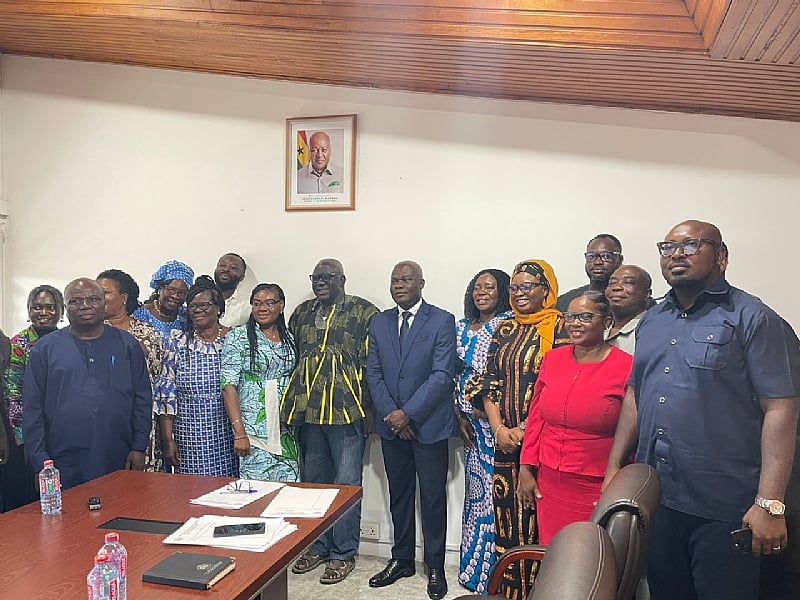
The Government of Ghana, through the Ministry of Local Government, Chieftaincy and Religious Affairs (MLGCRA), is poised to revitalize its national sanitation efforts with the reintroduction of the National Sanitation Day and the establishment of a National Sanitation League, both slated to commence on April 1st. This initiative stems from President Akufo-Addo’s commitment to dedicate a substantial portion, approximately 80%, of the District Assembly Common Fund (DACF) towards strengthening local governance structures, specifically targeting improvements in sanitation. The allocation of such significant resources underscores the government’s recognition of sanitation as a critical component of national development and a key factor in improving public health and overall well-being.
To spearhead these efforts, a dedicated National Sanitation Taskforce has been formed. This taskforce will be responsible for a multifaceted approach, encompassing advocacy campaigns to raise public awareness about sanitation and hygiene, procurement of essential sanitation tools and logistical resources, and the overall equipping and structuring of the taskforce itself to gewährleisten effective implementation of the initiative across the nation. The taskforce’s mandate extends from the national level down to regional and district assemblies, ensuring a coordinated and comprehensive approach to address sanitation challenges throughout the country.
Central to the government’s strategy is the empowerment of local assemblies. The Minister of MLGCRA, Mr. Ahmed Ibrahim, emphasized the importance of granting greater authority to these local bodies to ensure accountability and deliver tangible benefits to the communities they serve. The increased allocation of DACF resources, coupled with enhanced local authority, is intended to foster ownership and drive meaningful improvements in sanitation at the grassroots level. This decentralized approach recognizes the unique challenges and needs of different localities and empowers local authorities to tailor solutions accordingly.
Complementing the National Sanitation Day initiative is the introduction of the National Sanitation League. This league will introduce a performance-based system where districts will be evaluated on their sanitation progress. Districts that fall short of expectations will face consequences, with both technical and political measures employed to hold district authorities accountable. This performance-driven approach aims to incentivize improved sanitation management and create a sense of healthy competition among districts to achieve better outcomes. This accountability framework targets both the technical and political leadership at the district level, ensuring that both the District Coordinating Director, as the technical head, and the District Chief Executive, as the political head, are held responsible for sanitation performance within their jurisdiction.
The reintroduction of the National Sanitation Day is not merely a symbolic gesture but a concerted effort to instill a culture of cleanliness and hygiene across the country. The initiative aims to engage all segments of society, including churches, traditional leaders, district chief executives, and assembly members, fostering a collective responsibility for maintaining a clean and healthy environment. This collaborative approach leverages the influence and reach of these key stakeholders to promote sanitation and hygiene practices within their respective communities, creating a broader societal impact.
The Ministry of MLGCRA is developing a standardized checklist to assess sanitation performance across the country. This checklist will provide a practical framework for evaluating progress and identifying areas for improvement. The goal is not only to improve sanitation infrastructure but also to promote behavioral change and foster a sense of ownership and responsibility among citizens for maintaining a clean and healthy environment. This comprehensive strategy, combining infrastructure development, community engagement, and performance-based accountability, aims to transform Ghana into a model for sanitation and hygiene in the region. While Ghana has made significant strides in water access, achieving approximately 87% coverage, sanitation remains a major challenge, with only 25% coverage. The government recognizes this disparity and is prioritizing sanitation improvements to address this critical gap and achieve the Sustainable Development Goals.
CONIWAS, the Ghana Coalition for NGOs in Water and Sanitation, has expressed its support for the government’s renewed focus on sanitation. They advocate for increased budget allocation and, more crucially, improved disbursement of allocated funds. They highlight the discrepancy between budgetary allocations and actual expenditures, emphasizing the need for effective monitoring systems to ensure funds are utilized efficiently and transparently. This collaboration between government agencies and civil society organizations is crucial for driving sustainable improvements in sanitation and achieving long-term impact.
CONIWAS emphasizes the importance of not only allocating sufficient funds but also ensuring timely release and effective utilization of these resources. They highlight a concerning trend where allotted budgets are often not fully disbursed, and even when disbursed, the actual expenditure on sanitation falls short of the released amount. This inefficiency in financial management undermines progress and necessitates robust monitoring mechanisms to track fund allocation, disbursement, and expenditure.
In conclusion, the Government of Ghana’s reintroduction of the National Sanitation Day and establishment of the National Sanitation League, coupled with increased budgetary allocations for sanitation and enhanced local governance structures, represent a significant commitment to addressing the country’s sanitation challenges. The success of this initiative hinges on the effective functioning of the National Sanitation Taskforce, the empowerment of local assemblies, the rigorous implementation of the performance-based National Sanitation League, and the active participation of all stakeholders, including communities, civil society organizations, and religious and traditional leaders. By fostering a collective responsibility for sanitation and ensuring accountability at all levels, Ghana aims to achieve significant improvements in sanitation coverage and create a cleaner, healthier environment for all its citizens. The collaboration between government agencies and NGOs like CONIWAS will be instrumental in ensuring effective monitoring, efficient utilization of resources, and ultimately, the realization of the nation’s sanitation goals.








