





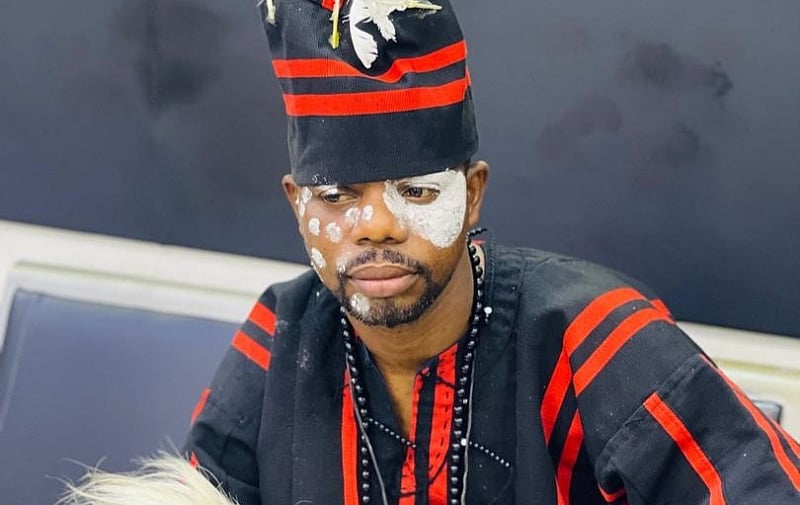
The proliferation of self-proclaimed religious leaders exploiting faith for personal gain has sparked a call for government intervention in Ghana. Mr. Emmanuel Fori, a respected spiritual teacher from Kumasi, has urged President-elect John Dramani Mahama to establish a Ministry of Religious Affairs to address the growing menace of fraudulent religious practices. Mr. Fori’s appeal underscores the urgent need to protect vulnerable individuals from exploitation and preserve the integrity of religious institutions in the country. He argues that these fraudulent actors, masquerading as “men of God,” prioritize personal enrichment over the spiritual and social well-being of their followers, undermining the very essence of faith and its potential for positive societal impact. The call for government oversight reflects a growing national concern about the lack of accountability within the religious sector and the potential for unchecked exploitation.
Mr. Fori’s concerns center on the alarming trend of self-styled pastors who manipulate scripture, spread false doctrines, and deliver misleading prophecies, often with devastating consequences for families, marriages, and even national stability. These individuals, he argues, prey on the vulnerable, extorting money through dubious services and engaging in fraudulent schemes that extend beyond religious exploitation, including travel scams and other illicit activities. He contends that their actions not only erode public trust in religious institutions but also contribute to the nation’s economic challenges by diverting resources away from productive endeavors. Mr. Fori paints a stark contrast between the ethical teachings of the Bible and the unscrupulous actions of these so-called religious leaders, highlighting the hypocrisy inherent in their pursuit of personal wealth at the expense of their followers.
The proposed Ministry of Religious Affairs, as envisioned by Mr. Fori, would serve as a crucial regulatory body, vetting religious leaders, monitoring their activities, and exposing those who exploit faith for personal gain. This oversight, he believes, is essential to protect citizens from the manipulative tactics employed by these fraudulent individuals, who often target not only vulnerable members of the public but also politicians, charging exorbitant fees for dubious spiritual interventions. Mr. Fori emphasizes the need for accountability within the religious sector, arguing that true ministers of faith should be role models who foster unity and positive societal change, not conduits for fraud and exploitation. The ministry, he asserts, would introduce much-needed transparency and regulation, ensuring that religious institutions operate ethically and uphold the values they espouse.
The exploitation within the religious sector, according to Mr. Fori, extends beyond financial manipulation to encompass the distortion of religious teachings and the dissemination of false prophecies. He laments the trend of self-proclaimed prophets who deliver misleading predictions, sowing confusion and fear among their followers, and potentially threatening national peace and stability. He criticizes the twisting of scripture for personal gain, arguing that these individuals misuse the word of God to enrich themselves rather than uplift society. This manipulation of religious texts not only undermines the integrity of religious institutions but also erodes the spiritual well-being of those who are misled by these false doctrines.
Mr. Fori’s call for government intervention reflects a growing recognition among Ghanaians of the need for greater accountability within the religious community. He believes that the establishment of a Ministry of Religious Affairs is not an infringement on religious freedom but rather a necessary measure to protect citizens from exploitation and ensure the ethical conduct of religious leaders. He emphasizes that true religious leaders should be agents of unity, peace, and social impact, not sources of division and chaos. By regulating the activities of religious institutions and exposing fraudulent practices, the ministry would safeguard the spiritual and social well-being of Ghanaians while preserving the integrity of faith-based organizations.
As Ghanaians await President Mahama’s response to this pressing issue, Mr. Fori’s proposal has sparked a crucial national conversation about the role of government in ensuring accountability within the religious sector. The debate highlights the tension between religious freedom and the need to protect citizens from exploitation, raising questions about the appropriate level of government oversight in religious affairs. Mr. Fori’s call for action underscores the urgent need to address the growing menace of fraudulent religious practices and to ensure that religious institutions serve as forces for positive social transformation, rather than instruments of personal enrichment and societal disruption. The future of religious practice in Ghana may well depend on the outcome of this crucial debate and the actions taken to address the concerns raised by Mr. Fori and others who advocate for greater accountability within the religious community.








