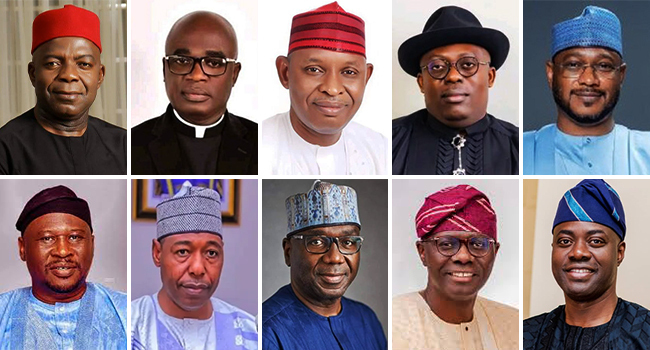
The fiscal performance of 29 Nigerian states during the first nine months of 2024 reveals a troubling trend of high recurrent expenditure, coupled with significant borrowing and a shortfall in revenue generation. Despite increased allocations from the Federation Account, largely due to fuel subsidy removal and exchange rate unification, these states collectively spent N1.994 trillion on recurrent items such as refreshments, sitting allowances, travel, and utilities. This excludes personnel costs, further highlighting the extent of spending on non-essential items. Concurrent with this high expenditure, the states accumulated N533.29 billion in new loans and spent N658.93 billion servicing existing debts to local, foreign, and multilateral creditors. While they generated N1.92 trillion in internally generated revenue (IGR), this fell significantly short of their N2.868 trillion target, leaving a substantial deficit of N948.28 billion. This pattern suggests a lack of fiscal discipline and raises concerns about the sustainability of their fiscal practices.
A closer examination of individual state performances reveals wide variations in fiscal management. Lagos State stands out with the highest revenue generation at N912.17 billion, followed by Rivers State at N269.18 billion and Delta State at N97.02 billion. However, Lagos also recorded the highest recurrent expenditure at N375.19 billion. Other high spenders include Plateau State at N144.87 billion and Delta State at N121.54 billion. Niger State led in borrowing, accumulating N79.09 billion in new loans, followed by Katsina State at N72.89 billion and Oyo State at N62.48 billion. Several states, including Adamawa, Bauchi, and Taraba, spent significantly more than their generated revenue, relying heavily on borrowing to cover the deficit. In contrast, states like Anambra and Enugu generated more revenue than their recurrent spending. These disparities underscore the need for standardized fiscal practices and greater accountability across all states.
The analysis reveals a concerning disconnect between increased federal allocations and improved living standards for citizens. While states benefitted from higher disbursements from the Federation Account, this has not translated into tangible improvements for the population. The significant sums spent on recurrent non-personnel expenses, often categorized as “overhead,” raise questions about the prioritization of public funds and the effectiveness of government spending. The substantial debt servicing costs further limit the resources available for critical development projects and social programs. This situation calls for urgent reforms to redirect public spending towards productive investments that directly benefit the populace.
Experts have voiced concerns about the prevailing fiscal federalism structure in Nigeria, questioning its long-term sustainability. The lack of adequate oversight and accountability mechanisms at the state level allows for unchecked spending and contributes to the persistence of high governance costs. State legislatures have been criticized for failing to fulfill their oversight responsibilities, leaving governors with excessive autonomy in fiscal matters. This lack of transparency and accountability undermines public trust and hinders efforts to promote efficient and responsible resource management.
The data underscores the urgent need for greater fiscal discipline and structural reforms within Nigeria’s fiscal federalism framework. States must prioritize essential services and development projects over non-essential recurrent expenses. Stronger oversight mechanisms, including empowered legislatures and independent fiscal responsibility commissions, are crucial to ensure transparency and accountability in public spending. Furthermore, states need to develop sustainable revenue generation strategies to reduce reliance on borrowing and create fiscal space for critical investments. A comprehensive review of the current fiscal federalism structure is necessary to address these systemic issues and ensure the long-term fiscal health of the nation.
Moving forward, a multi-pronged approach is required to address the fiscal challenges facing Nigerian states. This includes strengthening budget planning and execution processes, enhancing revenue collection mechanisms, prioritizing capital expenditures over non-essential recurrent costs, and promoting greater transparency and accountability in public finance management. Furthermore, states should explore innovative financing mechanisms, such as public-private partnerships, to fund critical infrastructure projects and reduce reliance on debt. Equally important is the need for capacity building within state governments to improve fiscal management skills and promote a culture of fiscal responsibility. Ultimately, the success of these efforts will depend on the political will to implement necessary reforms and prioritize the long-term well-being of citizens over short-term political gains.