









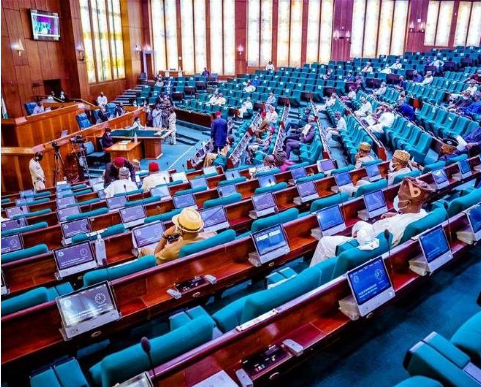
The Nigerian Arabic Language Village, located in Maiduguri, Borno State, recently suffered devastating losses due to severe flooding. The flood, which impacted Maiduguri and surrounding areas, caused extensive damage to the village’s infrastructure, destroying computers, ICT equipment, books, journals, offices, libraries, furniture, and fittings. This natural disaster further compounded the challenges already faced by the institution due to the ongoing Boko Haram insurgency, which had previously disrupted its core immersion and acculturation programs. Recognizing the urgent need for intervention, Representative Abubakar Fulata brought a motion before the House of Representatives, urging the Federal Government to allocate significant funding in the 2025 Appropriation Bill for the development of the permanent site of the Nigerian Arabic Language Village and the rehabilitation of its temporary location.
The motion highlighted the precarious situation faced by the students enrolled in the village’s one-year compulsory program. With essential learning resources destroyed, their academic pursuits are now in jeopardy. The motion emphasized the financial strain on the Borno State government, which has been supporting the village but is now facing its own immense challenges due to the widespread flood damage. Given the limited resources available to the state, the motion appealed for federal intervention and assistance to alleviate the suffering of the affected population and restore the functionality of the Arabic Language Village.
The House of Representatives, after adopting the motion, called on several key federal ministries and agencies to address the urgent situation. These include the ministries of finance, budget and national planning, education, and humanitarian affairs, along with the Director General, Budget of the Federation; the Accountant General of the Federation; the National Emergency Management Agency (NEMA); and the National Universities Commission (NUC). The House urged these bodies to prioritize the inclusion of substantial funding in the 2025 budget for the development of the permanent site of the Arabic Language Village.
In addition to the long-term development of the permanent site, the House also stressed the need for immediate intervention to ensure the continued operation of the village at its temporary location. This includes providing funds for the maintenance and upkeep of the temporary site until the permanent site is completed and operational. To facilitate the resumption of academic activities, the House urged the release of funds from the service-wide votes to enable the village to procure essential items such as computers, books, and other teaching aids. This immediate injection of funds is crucial to restoring the learning environment and enabling students to continue their studies.
Recognizing the humanitarian impact of the flooding, the House also called upon NEMA to provide much-needed relief materials to the institution, its students, and staff affected by the disaster. This assistance would address the immediate needs of the community and provide support during this challenging period. To ensure accountability and effective implementation of these measures, the House mandated its Committee on University Education to conduct a thorough investigation into the situation and report back within four weeks. This investigation aims to develop a comprehensive plan to restore the full functionality of the institution and ensure its long-term sustainability.
The combined impact of the flooding and the ongoing insurgency has created a dire situation for the Nigerian Arabic Language Village. The House of Representatives’ call for federal intervention is a crucial step towards rebuilding this important institution and ensuring its continued contribution to language education and cultural exchange. By allocating the necessary resources for both the immediate rehabilitation and the long-term development of the village, the government can demonstrate its commitment to education and its support for the affected community in Borno State. The timely implementation of these measures will be critical to restoring hope and opportunity for the students and staff of the Nigerian Arabic Language Village and ensuring its continued viability as a center for learning and cultural understanding.









