









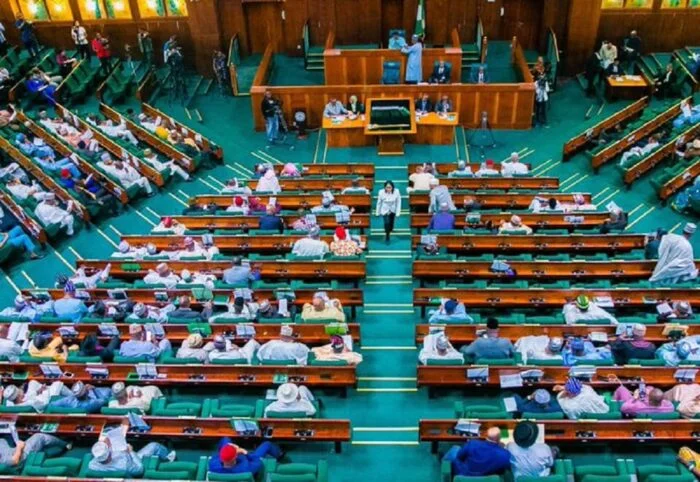
The Nigerian House of Representatives took decisive action on Tuesday, December 17, 2024, to address the alleged unlawful arrest and detention of Alhaji Bello Badejo, a community leader from Maliya town in Nasarawa State. The House, spurred by a motion of urgent public importance sponsored by Mr. Mansur Soro, representing Darazo/Ganjuwa Federal Constituency, Bauchi State, expressed grave concern over the military’s involvement in a civilian matter and the potential violation of Badejo’s fundamental human rights. The motion highlighted the arrest, which was reportedly conducted by officers of the 177 Battalion of the Nigerian Army on December 9, 2024, characterizing it as a “commando-style” operation carried out without a prior invitation or court injunction. The arrest was allegedly linked to a dispute between a retired military general and members of the Maliya community, a matter that falls squarely within the jurisdiction of civilian law enforcement agencies.
At the heart of the House’s concern was the military’s overreach into civilian affairs. Soro emphasized that the Nigerian military’s primary role is to protect the nation’s external and territorial integrity and to act in aid of civil authorities when called upon. He argued that the arrest of Badejo, without due process and in connection with a community dispute, constituted a clear violation of this principle. The House underscored the fact that the military’s actions in this case bypassed the established legal procedures for handling civilian disputes, thereby undermining the rule of law. The motion highlighted the potential for such actions to set a dangerous precedent, blurring the lines between military and civilian jurisdictions and potentially jeopardizing the rights of citizens.
The House expressed particular alarm over the prolonged detention of Badejo without charges. Soro pointed out that, a week after his arrest, Badejo had yet to be arraigned before a court of competent jurisdiction, a clear violation of his fundamental human rights as guaranteed under Sections 34, 35, and 36 of the Nigerian Constitution. These sections protect citizens from arbitrary arrest and detention, guarantee the right to personal liberty, and ensure the right to a fair hearing. By detaining Badejo without charges, the military was seen as not only violating his individual rights but also undermining the constitutional safeguards designed to protect all citizens.
In response to these concerns, the House adopted several resolutions aimed at addressing the situation and preventing similar incidents in the future. Firstly, the House called on both the Chief of Defence Staff (CDS), Gen. Christopher Musa, and the Chief of Army Staff (COAS), Gen. Olufemi Oluyede, to immediately order the release of Badejo from what they deemed unlawful detention. Furthermore, the House demanded an apology from the military to Badejo for the infringement of his fundamental human rights. This action underscores the House’s commitment to upholding the rule of law and protecting the rights of citizens from undue interference by the military.
Beyond the immediate release and apology, the House also sought to investigate the circumstances surrounding the arrest and detention. The House resolved to invite the CDS, COAS, and the Commanding Officer of the 177 Battalion to appear before its Committees on Army, Human Rights, and Justice on Thursday, December 20, 2024. The purpose of this invitation was to provide the military leadership with an opportunity to explain the actions of their officers and to address the concerns raised by the House regarding the violation of constitutional provisions. This demonstrates the House’s commitment to holding the military accountable and ensuring that such incidents are thoroughly investigated.
The House’s actions in this case reflect a broader concern about the potential for military overreach in civilian matters. By condemning the 177 Battalion’s attempt to usurp the roles of the police and the judiciary, the House reaffirmed the importance of maintaining a clear separation of powers between the military and civilian authorities. This separation is crucial for upholding the rule of law, protecting human rights, and ensuring the proper functioning of democratic institutions. The House’s intervention in this case serves as a reminder that the military’s role is to protect the nation from external threats, not to interfere in civilian disputes or circumvent established legal procedures. By taking a strong stance against this alleged abuse of power, the House of Representatives aimed to safeguard the rights of all Nigerian citizens and reinforce the principle of civilian control over the military.









