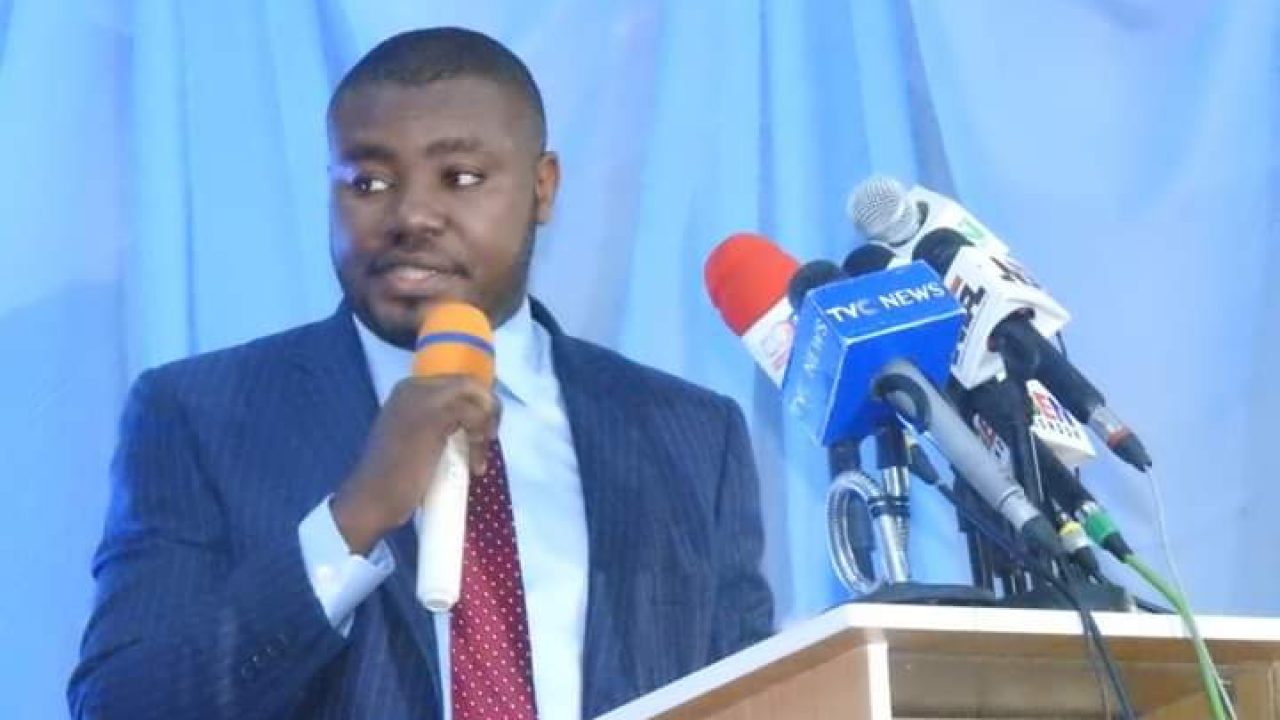
Deputy spokesman of the House of Representatives, Philip Agbese, has expressed optimism regarding the impact of tax reforms spearheaded by Zacchaeus Adedeji, the Executive Chairman of the Federal Inland Revenue Service (FIRS). Agbese highlighted that these reforms are encapsulated in four tax bills currently under consideration in the House. He believes these bills, intended to revitalize Nigeria’s fiscal policy framework, will garner recognition and appreciation from Nigerians once implemented. The proposed tax bills have become a contentious issue, creating conflict between the Federal Government and the governors of the 36 states, many of whom are calling for their withdrawal to facilitate further consultations on the reforms. Despite some leaders showing willingness to engage, the Borno State Governor, Prof. Babagana Zulum, has openly rejected them, cautioning that their enactment could negatively affect the economy of the northern region.
Agbese commended Adedeji for his innovative approach to tax administration, emphasizing that the FIRS has been successfully surpassing its revenue targets under his leadership. He noted that in 2023, the FIRS collected a remarkable N12.37 trillion, surpassing its initial target of N10.7 trillion by 10.7%. This performance, Agbese stated, could be indicative of further fiscal success, particularly if the proposed tax bills are passed into law, thus enabling the Federal Government to allocate increased revenue towards essential infrastructure projects. Agbese projected that the completion of these projects would lead to job creation and, subsequently, a reduction in poverty levels. He underscored the rarity of having effective leaders like Adedeji in government agencies and expressed confidence that his continued leadership would yield even more success.
Looking ahead, Agbese believes that once the tax bills are enacted, Nigerians will soon acknowledge and appreciate the transformative potential they embody. By creating a sustainable revenue stream, these reforms could enhance the government’s ability to address critical development needs across the nation. With a revenue collection target set at N19.41 trillion for 2024, Agbese pointed out that the FIRS had already amassed N18.5 trillion by the end of September, showcasing the agency’s potential to dismantle prior fiscal limitations. Such performance suggests a promising outlook for the nation’s economy and confirms the FIRS’s capability to contribute positively to national development.
Urging support for President Bola Tinubu’s tax reform initiatives, Agbese emphasized that the collective interest of the nation should take precedence over individual or sectional interests during legislative deliberations. He indicated that the House is preparing for robust debates on the bills, anticipating a shift in perspective among lawmakers who previously opposed the reforms. Agbese believed that many of his colleagues would align themselves with the necessity of the reforms as a means to enhance the welfare of Nigerians at all economic levels. Emphasizing the broader implications of the proposed legislation, he argued that the public policy changes will reverberate through the entire populace, thereby transforming economic landscapes and fostering rapid infrastructure development.
Furthermore, Agbese praised President Tinubu for promoting a progressive taxation model, which aims to alleviate the financial burden on less affluent citizens and small businesses. The concept of progressive taxation signifies a shift towards a more equitable tax regime, where individuals and corporations contribute to government revenue based on their financial abilities. This systematic change, Agbese argued, reflects a new ideological approach geared towards comprehensive economic growth and social equity. He expressed optimism for the nation’s future, hoping that a well-executed implementation of these reforms would pave the way for sustainable economic progress and a better quality of life for many Nigerians.
In conclusion, the ongoing discussions around the four proposed tax bills provoke a critical reassessment of Nigeria’s fiscal policies and their implications for economic development. Agbese’s confidence in Adedeji’s leadership and the efficacy of the FIRS reflects a broader hope for systemic improvements in revenue generation. The potential conflicts between state interests and federal aspirations present challenges that need to be navigated with careful consideration and collaboration. As the House of Representatives prepares to engage in serious discourse over these tax measures, the outcome could significantly alter the trajectory of Nigeria’s economic policy and development strategy, highlighting the necessity for a unified approach to taxation that accounts for the diverse needs and circumstances of the nation’s populace.