





Resumption of Schools Across Nigeria: A Mixed Bag of Excitement and Financial Strain
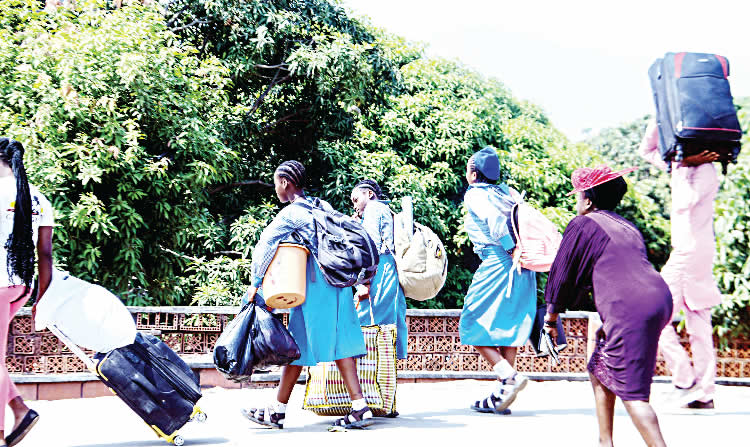
The second term of the 2024/2025 academic year has commenced in most Nigerian states, marked by a blend of anticipation and apprehension. Students, teachers, and parents alike greet the return to classrooms with a renewed sense of purpose, while simultaneously grappling with the escalating costs of education in a challenging economic climate. States such as Lagos, Ogun, Kano, Delta, and Jigawa witnessed the reopening of their primary and secondary schools, with each state government implementing specific directives to ensure a smooth transition back to learning. The atmosphere is charged with optimism, with educational authorities emphasizing the importance of quality education and rigorous monitoring to maintain standards. However, the undercurrent of financial strain felt by parents casts a shadow over the otherwise positive start to the term.
A common thread across these states is the emphasis on accountability and commitment to educational excellence. Kano State, for example, mandated strict adherence to the resumption dates, threatening disciplinary action for latecomers. The state’s commitment to quality education was underscored by Dr. Ali Makoda, the Commissioner for Education, who highlighted the government’s efforts in providing a conducive learning environment. Similarly, Delta State’s Permanent Secretary of the Ministries of Primary and Secondary Education, Mr. Augustine Oghoro, urged teachers to redouble their efforts in elevating the standard of education. The state also plans to deploy monitoring teams to ensure compliance and address issues like teacher absenteeism. These measures reflect a concerted effort to enhance the effectiveness of the education system.
Jigawa State mirrored these sentiments, providing teaching aids to facilitate effective learning, while also adhering to the Monday resumption date. The focus on resource provision demonstrates a proactive approach to supporting both teachers and students. In contrast to the states mentioned above, Federal Unity Schools across the country received a slight reprieve, with their resumption date postponed to January 12th due to ongoing renovations. This delay, while potentially disruptive, aims to ensure a safe and conducive learning environment upon the students’ return. The varying approaches taken by different states and the federal government highlight the decentralized nature of the Nigerian education system, with each entity adapting to its unique circumstances.
Beyond the logistical and administrative aspects of resumption, the human element plays a crucial role. Alli-Oluwafuyi Lateefat, Head of School at Offsprings Ilorin, Kwara State, aptly captured the spirit of the new term, emphasizing the potential for learning to be enjoyable when approached with dedication. Her words resonate with the belief in the transformative power of education and the importance of a positive mindset. Furthermore, she stressed the vital role of parental involvement in fostering student success, highlighting the symbiotic relationship between home and school. This collaborative approach is essential for creating a supportive ecosystem where students can thrive.
However, the enthusiasm surrounding the resumption of schools is tempered by the economic realities faced by many parents. The rising cost of living has significantly impacted household budgets, making it increasingly difficult for families to meet the financial demands of education. Mr. Tunbosun Esho, a father of three, articulated the struggle of balancing tuition fees, transportation costs, and other essential expenses. This sentiment was echoed by Mrs. Nafisat Bakare, a mother of two, who lamented the doubling of transport fares since the last term. These parental concerns underscore the economic pressures faced by families and the need for affordable and accessible education.
The resumption of schools, therefore, presents a complex picture. While the return to the classroom is greeted with optimism and a focus on improved learning outcomes, the financial strain on parents cannot be ignored. The challenge lies in balancing the pursuit of quality education with the economic realities faced by families. Addressing this challenge requires a multi-pronged approach involving government intervention, school initiatives, and community support to ensure that all children have access to a quality education without undue financial burden on their families. The narratives of parents struggling to meet the escalating costs paint a stark reality that necessitates urgent attention and innovative solutions to ensure that education remains accessible and affordable for all.








