





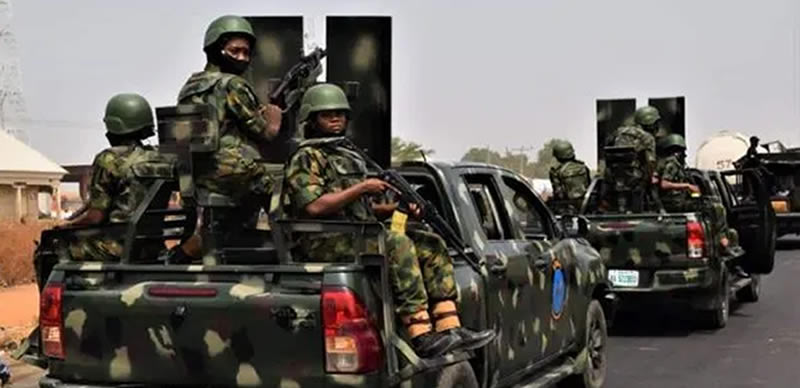
The Niger-Nigeria Border Security Crisis: A Looming Threat
The recent coup in Niger has sparked a diplomatic and security crisis with neighboring Nigeria. Accusations levied by Niger’s military junta, led by Brigadier General Abdourahmane Tchiani, have escalated tensions and raised concerns about the stability of the region. Tchiani alleges that Nigeria, in collusion with France, is actively destabilizing Niger, sponsoring terrorist attacks, and hosting a foreign military base. These accusations, vehemently denied by Nigerian officials, have nonetheless set the stage for potential conflict and underscore the urgent need to bolster security along the porous border.
Retired Nigerian military generals, diplomats, and security experts have responded with calls for decisive action. They urge President Bola Tinubu to prioritize the fortification of Nigeria’s northern borders, emphasizing the safety and security of Nigerian citizens, especially those residing in the border regions. The experts recognize the potential for the crisis to escalate, with the risk of cross-border attacks, an influx of refugees, and the spread of instability into Nigeria. This precarious situation demands a comprehensive security strategy that not only addresses immediate threats but also strengthens long-term border control mechanisms.
Central to the security concerns is the porosity of the Nigeria-Niger border. This vulnerability has historically facilitated the movement of armed groups, illicit goods, and criminals between the two countries. The current crisis amplifies these risks, as the instability in Niger may embolden existing threats like the Lakurawa bandits and potentially create new ones. The call for enhanced border security includes suggestions for increased military presence, surveillance technology, and even the construction of a perimeter fence. Experts argue that only a robust and well-defined border control strategy can effectively mitigate the security challenges.
The diplomatic fallout of the Niger coup further complicates matters. The accusations against Nigeria have strained relations between the two countries, creating a climate of mistrust. Niger’s rejection of French troops and the junta’s claims of Nigerian involvement raise the specter of external alliances and the potential for broader regional conflict. Experts warn that the breakdown in relations could escalate into open hostility, with the risk of cross-border attacks and the potential for extremist groups to exploit the volatile situation.
The allegations by the Nigerien junta are seen by some analysts as a diversionary tactic, aimed at deflecting attention from internal problems and rallying support within Niger. However, regardless of the motivation behind these claims, their impact on regional stability is undeniable. They fuel suspicion and mistrust, making it more challenging to address the underlying causes of the crisis through diplomatic channels. Nigeria’s response must be carefully calibrated to avoid further escalating tensions while ensuring the protection of its own interests and the safety of its citizens.
Ultimately, the crisis highlights the interwoven nature of security and diplomacy in the region. Strengthening border security is crucial, but it must be coupled with diplomatic efforts to de-escalate tensions and address the root causes of instability. Nigeria must engage with regional partners and international organizations to seek a peaceful resolution to the crisis in Niger, while simultaneously implementing measures to safeguard its own borders and prevent the spillover of violence. A comprehensive strategy that combines security enhancements with diplomatic initiatives is essential to navigate this complex situation and ensure the long-term stability of Nigeria and the wider region.








