









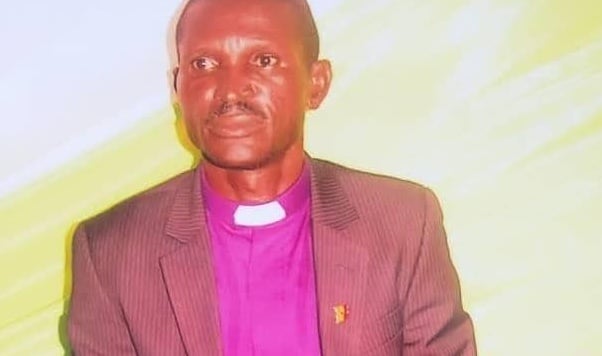
Rev. David Armstrong, the founder and leader of the Mo Mary Fellowship, has issued a fervent appeal to Ghana’s political leaders, urging them to prioritize the needs of their grassroots supporters in rural communities when allocating job opportunities. He argues that these loyal individuals, who form the bedrock of political parties and play an indispensable role in securing electoral victories, are often unjustly neglected in favor of their urban counterparts once their parties ascend to power. This oversight, he contends, constitutes a form of discrimination that breeds resentment, frustration, and even violence within political parties, ultimately undermining the very foundations of these organizations. His call for inclusivity and recognition resonates deeply with the often-unsung heroes of political campaigns, those who tirelessly work behind the scenes to ensure the success of their chosen parties.
Rev. Armstrong underscores the crucial role played by grassroots supporters in rural areas, emphasizing that they constitute the vast majority of party membership and provide the numerical strength essential for winning elections. These dedicated individuals, he notes, engage in a myriad of activities, from mobilizing voters and monitoring polling stations to advocating passionately for their party’s platform, often at significant personal risk. They endure hardship, dedicate their time and resources, and sometimes even face physical danger to ensure the triumph of their chosen party. Yet, despite their unwavering commitment and often substantial personal sacrifices, they are often overlooked when opportunities for employment and resource allocation arise. This disparity in treatment, Rev. Armstrong argues, creates a sense of betrayal and disillusionment amongst these loyal supporters, who rightly feel that their contributions have been undervalued and disregarded.
The recent December 7 elections serve as a stark example of the dedication and sacrifices made by grassroots activists. Rev. Armstrong recounted instances where party loyalists, particularly from the National Democratic Congress (NDC), were subjected to assaults and suffered the loss of personal belongings, including phones, while diligently working to ensure transparency at polling stations. These individuals, driven by their commitment to their party, risked their safety and well-being without any expectation of personal gain. Their actions, Rev. Armstrong emphasizes, deserve recognition and reward, not neglect and indifference. He specifically called upon the NDC leadership to acknowledge and address this issue of unequal treatment, urging them to ensure that the sacrifices of their grassroots supporters are not forgotten or minimized.
Rev. Armstrong’s appeal extends beyond the NDC and encompasses all political parties in Ghana. He advocates for a fundamental shift in the way political parties view and treat their grassroots supporters, emphasizing the need for inclusivity and unity. He calls on party leaders to acknowledge the invaluable contributions of rural supporters and to actively include them in job opportunities and leadership positions. This, he argues, is not merely a matter of fairness but a strategic imperative for building stronger, more cohesive, and more effective political organizations. By valuing all members equally, regardless of their geographical location or socio-economic status, parties can cultivate a sense of shared purpose and strengthen their internal bonds. This, in turn, will empower them to more effectively address the needs of the nation and drive progress for all citizens.
The neglect of grassroots supporters, Rev. Armstrong warns, carries far-reaching consequences that extend beyond the internal dynamics of political parties. It perpetuates a cycle of inequality and marginalization, further disadvantaging already vulnerable communities in rural areas. By failing to invest in their human capital and provide them with opportunities for economic advancement, political parties contribute to the widening gap between urban and rural populations. This disparity in development can lead to social unrest, political instability, and hinder the overall progress of the nation. Therefore, prioritizing the needs of grassroots supporters is not just a matter of ethical responsibility but also a crucial step towards achieving sustainable and equitable development for all Ghanaians.
Rev. Armstrong’s call for inclusivity and recognition serves as a powerful reminder of the importance of valuing the contributions of all individuals, regardless of their background or location. His message resonates deeply with the principles of democracy and social justice, emphasizing the need for equal opportunities and fair treatment for all members of society. By heeding his call and actively working to empower their grassroots supporters, political parties can strengthen their own organizations, foster unity within their ranks, and contribute to the creation of a more just and prosperous Ghana. The true strength of a nation, he argues, lies not just in its urban centers but also in the resilience and dedication of its rural communities, and it is the responsibility of political leaders to recognize and harness this potential for the benefit of all.









