The Ghanaian government is embarking on a multi-pronged strategy to reduce mobile data costs and improve service quality for consumers. A key component of this initiative involves reviewing the existing tax structure levied on telecommunication services. These taxes, which include VAT, NHIL, GETFund levy, the COVID-19 levy, and the CST, currently account for almost 39% of the total cost consumers pay for data. The Ministry of Communications and Digitalisation is actively engaging with the Ministry of Finance to restructure these taxes, aiming to alleviate the financial burden on consumers and create room for telecom operators to lower their prices. This collaborative effort signals a commitment to making mobile data more affordable and accessible for Ghanaians.
Coupled with the tax review, the three major telecom operators in Ghana – AirtelTigo, Telecel, and MTN – are poised to introduce enhanced data packages starting July 1, 2025. These packages will offer significantly increased data allowances for the same price, providing consumers with more value for their money. AirtelTigo’s GH¢400 bundle will increase from 190GB to 236GB, while Telecel’s GH¢400 bundle will surge from 90GB to 250GB. MTN, the market leader with a 76% share of mobile users, will implement a 15% data increase across its various packages, with its updated GH¢399 plan (formerly GH¢350) offering 214GB, a substantial increase from the previous 92.88GB. The Minister of Communications commended the operators for their commitment to improving data affordability for Ghanaians.
The government is also expediting the long-awaited spectrum allocation process, aiming for completion by early July 2025. This allocation is crucial for addressing persistent network congestion and poor service quality, which have plagued the sector for some time. The allocation will enable operators to expand network capacity and improve data speeds and reliability. The combined investment of approximately $150 million from MTN, AirtelTigo, and Telecel by the end of the year will further bolster these efforts. These funds will be allocated towards spectrum acquisition, installation of new transmitters, and infrastructure upgrades, all aimed at enhancing network performance across the country. Telecel’s access to the NGIC 2,100MHz spectrum through a newly issued Connecting Entity Licence is expected to bring immediate improvements to data speed and stability.
Beyond tax and spectrum reforms, the Ministry of Communications is collaborating with the Ministry of Energy and the Public Utilities Regulatory Commission (PURC) to establish a dedicated electricity tariff for the telecom sector. This initiative mirrors similar arrangements granted to the mining industry and seeks to reduce operating costs for telecom operators, further contributing to potential price reductions for consumers. This coordinated approach underscores the government’s commitment to creating a more conducive environment for the telecom sector to thrive and deliver better services to the public.
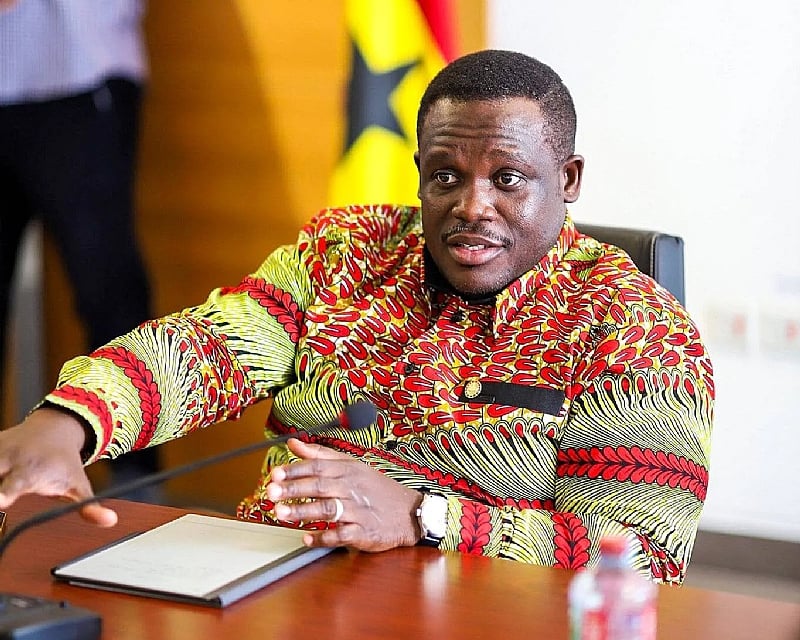
Reflecting on past challenges, the Minister acknowledged disagreements with previous government policies, particularly regarding the upfront collection of the Communications Service Tax and delays in spectrum releases. He pointed out that these policies had long-term implications on pricing and quality of service. Emphasizing the principles of a free market, the Minister stated that he cannot dictate prices, but his ministry is actively engaging with the industry to find workable solutions that benefit both consumers and operators. This collaborative approach signifies a shift towards more constructive dialogue and a commitment to finding balanced solutions.
To ensure accountability and maintain service quality standards, the National Communications Authority will conduct a comprehensive nationwide quality-of-service audit between October and December 2025. Operators failing to meet the stipulated standards will face penalties. This measure aims to hold operators accountable for delivering the promised improvements and ensure that consumers receive the quality of service they deserve. While acknowledging that the challenges accumulated over eight years cannot be resolved within just four months, the Minister expressed confidence that the implemented actions will yield tangible improvements in both data affordability and service quality for all Ghanaians. This commitment to transparency and accountability underscores the government’s dedication to bringing real change to the telecommunications sector.