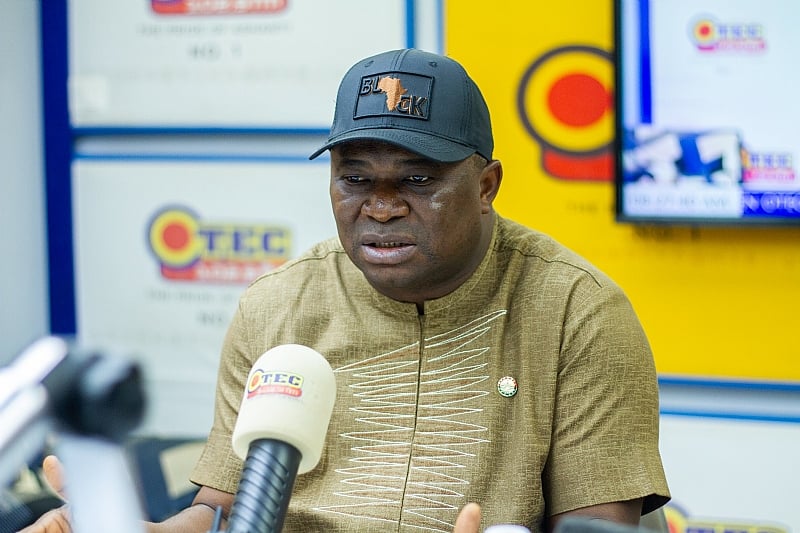
The New Patriotic Party (NPP) experienced a significant setback in the 2024 general elections, losing a considerable number of parliamentary seats and the presidency. Hon. Alexander Akwasi Acquah, the NPP Member of Parliament for the Akim Oda constituency, has called on the party faithful to rally and commence preparations for the 2028 elections. He attributed the party’s defeat to voter apathy and emphasized the need for unity and active participation from all members to reclaim power. The 2024 election results saw the NPP’s parliamentary representation drop from 137 seats in 2020 to 88, a stark contrast to their previous performance. Their presidential candidate, Dr. Mahamudu Bawumia, also lost to the National Democratic Congress (NDC) candidate, John Dramani Mahama.
Hon. Acquah’s call to action stresses the urgency of addressing the issues that led to the NPP’s defeat. He believes that by acknowledging the setback and working together, the party can regain its strength and position itself for victory in the next election cycle. His message resonates with the need for introspection and strategic planning within the party. The significant loss of parliamentary seats indicates a need to understand the shifting voter demographics and preferences, and to tailor the party’s message and strategies accordingly. The defeat of their presidential candidate further underscores the necessity of presenting a compelling vision and leadership that resonates with the electorate.
Voter apathy, identified as a key factor contributing to the NPP’s loss, presents a complex challenge. It suggests a disconnect between the party and a segment of the electorate who may have become disillusioned or felt their needs were not adequately addressed. Combating voter apathy requires a multi-pronged approach, including engaging with communities, understanding their concerns, and demonstrating a genuine commitment to addressing them. It also necessitates revitalizing the party’s grassroots mobilization efforts and ensuring that its message effectively reaches and resonates with potential voters.
Hon. Acquah’s emphasis on unity within the party highlights the importance of internal cohesion in the face of adversity. A divided party is less effective in mobilizing support and implementing its agenda. Building unity requires addressing internal disagreements, fostering a sense of shared purpose, and ensuring that all members feel valued and heard. This is crucial for projecting a strong and unified front to the electorate and regaining their trust.
The call for active participation from party members underscores the importance of grassroots engagement and mobilization. A strong party relies on the active involvement of its members in campaigning, fundraising, and community outreach. Encouraging active participation requires creating opportunities for members to contribute meaningfully, providing them with the necessary training and resources, and fostering a sense of ownership and responsibility for the party’s success. This approach can help revitalize the party’s base and expand its reach into new communities.
Hon. Acquah’s assertion that the preparations for 2028 begin now reflects a proactive approach to rebuilding and strengthening the party. It signifies a commitment to learning from the 2024 defeat and implementing necessary changes to ensure future success. This involves not only analyzing the factors that contributed to the loss but also developing a comprehensive strategy for regaining lost ground. It also necessitates identifying and nurturing future leaders within the party and investing in the training and development of its members. This forward-looking perspective is crucial for ensuring that the NPP emerges from this setback stronger and more resilient. The road to 2028 will require sustained effort, strategic planning, and a renewed commitment to engaging with the electorate and addressing their concerns.