The New Patriotic Party (NPP) finds itself reeling from the aftershocks of the December 7, 2024, general election, a political earthquake that dramatically reshaped the Ghanaian political landscape. Two months after the decisive defeat, the party remains in a state of shock, struggling to comprehend the magnitude of the loss and chart a path forward. The election results delivered a resounding victory to the opposition National Democratic Congress (NDC), propelling them to a commanding majority in Parliament and securing the presidency for their candidate, John Dramani Mahama. The scale of the NDC’s triumph surprised even their own ranks, exceeding their most optimistic projections.
The NPP’s loss was comprehensive, ceding control of Parliament and witnessing their presidential candidate, Dr. Mahamudu Bawumia, trail significantly behind Mahama. The NDC secured over 180 parliamentary seats, relegating the NPP to the minority with a mere 88 seats. In the presidential race, Mahama garnered 56.42% of the valid votes, amassing 6,591,790 votes, while Bawumia secured 4,877,611 votes, representing 41.75%. This significant margin of victory underscored the depth of the NPP’s defeat and the resounding mandate given to the NDC by the Ghanaian electorate.
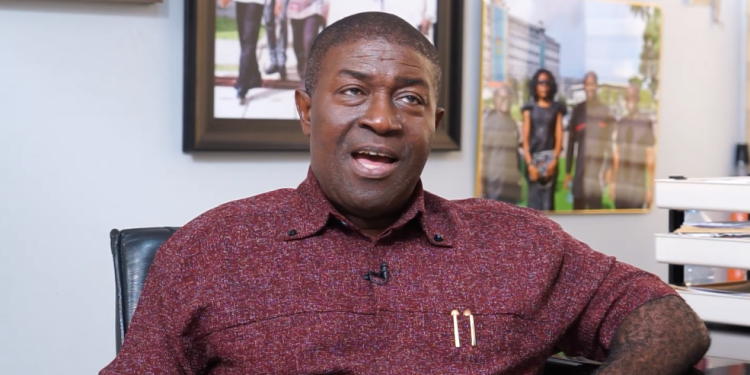
Nana Akomea, Vice Chairman of Dr. Bawumia’s campaign team, candidly acknowledged the party’s ongoing struggle to process the election outcome. He described the pervasive sense of shock within the NPP, highlighting the unexpected scale of the defeat. Akomea’s assessment reflects the prevailing sentiment within the party, indicating a deep sense of disbelief and a need for introspection to understand the factors that contributed to this political upheaval. The party’s leadership now faces the daunting task of navigating this challenging period and formulating a strategy for recovery and rebuilding.
The 2024 election results signal a significant shift in the political dynamics of Ghana. The NDC’s decisive victory not only reflects a change in public sentiment but also presents a formidable challenge for the NPP. The party must now confront the underlying causes of its defeat, reassess its strategies, and rebuild its support base. This process requires a thorough examination of the party’s policies, messaging, and organizational structure. The NPP’s ability to effectively adapt and respond to the changing political landscape will determine its future prospects.
The scale of the NDC’s victory underscores the importance of understanding the factors that contributed to the shift in public support. The NPP’s defeat may be attributed to a complex interplay of economic conditions, public perception of the government’s performance, and the effectiveness of the NDC’s campaign strategy. Analyzing these factors is crucial for the NPP to learn from its mistakes and develop a more resonant message for future elections. The party must also address internal divisions and ensure a unified front to regain public trust and confidence.
The road to recovery for the NPP will undoubtedly be long and arduous. The party must embark on a comprehensive process of self-reflection, internal reform, and strategic repositioning. This involves engaging in open dialogue with its members, understanding the concerns of the electorate, and developing policies that address the needs of the Ghanaian people. The NPP must also invest in strengthening its grassroots organization, fostering a new generation of leaders, and presenting a compelling vision for the future of Ghana. The party’s ability to effectively navigate this period of transition will determine its long-term viability and its capacity to compete effectively in future elections.