









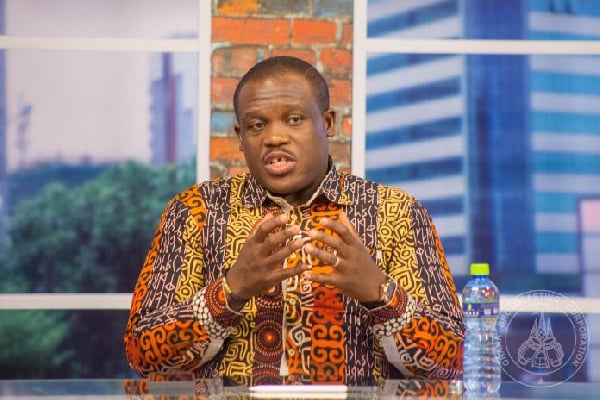
Samuel Nartey George, the Member of Parliament representing Ningo-Prampram, has issued a strong call for the incoming administration of John Dramani Mahama to undertake a comprehensive purging of the judiciary, removing individuals affiliated with the ruling New Patriotic Party (NPP). George argues that the presence of these politically aligned individuals poses a significant obstacle to the Mahama administration’s anticipated efforts to combat corruption. He contends that a clean and impartial judiciary is paramount to ensuring justice and accountability within the government. Drawing parallels to the Mills administration, George highlighted the challenges faced in prosecuting alleged wrongdoing by officials from the previous government, suggesting that a biased judiciary acted as a shield, impeding the pursuit of justice. He therefore emphasizes the urgency of this purge within the first 120 days of Mahama’s presidency, framing it as a crucial first step towards restoring public trust and upholding the rule of law.
George’s call for judicial reform stems from his conviction that certain members of the judiciary are deeply entrenched NPP loyalists, strategically positioned to safeguard the interests of the outgoing government and potentially obstruct any investigations into their conduct. He alleges that these individuals operate with a partisan agenda, prioritizing the protection of their political allies over the impartial administration of justice. This, he argues, creates a climate of impunity, allowing corruption to flourish unchecked. The MP’s forceful rhetoric underscores the gravity of the situation, implying that failure to address this perceived politicization of the judiciary could lead to significant public discontent and even internal dissent within the Mahama administration. He presents this purge not merely as a recommendation but as a demand from the Ghanaian people, a mandate that Mahama must fulfill to maintain public confidence and prevent potential unrest.
The call for a judicial purge raises complex questions about the delicate balance between judicial independence and accountability. While ensuring the impartiality of the judiciary is crucial for a functioning democracy, the process of removing judges must be carefully considered to avoid undermining judicial independence itself. George’s assertion that party activists occupy positions within the judiciary implies a level of political interference that, if true, would seriously compromise the integrity of the judicial system. However, such claims require thorough investigation and substantiated evidence to prevent the process of judicial reform from being perceived as politically motivated retribution. The challenge lies in establishing clear criteria and procedures for evaluating judicial impartiality and ensuring that any actions taken are based on objective evidence and due process, rather than political expediency.
The timing of this call, just weeks before Mahama’s inauguration, adds to its significance. It signals a clear intent to prioritize judicial reform from the outset of the new administration. This preemptive call for action underscores the perceived urgency of addressing the alleged politicization of the judiciary and suggests a commitment to swift and decisive action. By publicly advocating for this purge, George not only puts pressure on the incoming Mahama administration but also sets the stage for public scrutiny of the judicial reform process. The public will be watching closely to see whether Mahama heeds this call and, if so, how he navigates the complex legal and political terrain involved in restructuring the judiciary.
The potential implications of a judicial purge are far-reaching. On the one hand, it could contribute to strengthening the rule of law and promoting accountability by removing potentially biased judges. This could lead to a more transparent and just judicial system, fostering greater public trust in the government’s commitment to fighting corruption. On the other hand, a poorly executed purge could further politicize the judiciary, damaging its independence and eroding public confidence in the rule of law. The challenge for the incoming Mahama administration will be to implement judicial reforms in a manner that upholds due process, respects judicial independence, and demonstrates a genuine commitment to strengthening democratic institutions.
Ultimately, the success of any judicial reform efforts will depend on the Mahama administration’s ability to strike a balance between addressing legitimate concerns about judicial impartiality and safeguarding the independence of the judiciary. This will require careful consideration of the legal and political ramifications of any proposed changes, as well as a commitment to transparency and due process throughout the reform process. The public discourse sparked by George’s call for a purge highlights the importance of ongoing dialogue about the role of the judiciary in a democratic society and the need for robust mechanisms to ensure its integrity and impartiality. The incoming Mahama administration will need to navigate these complexities carefully to ensure that any reforms undertaken strengthen rather than undermine the foundations of Ghana’s democratic institutions.









