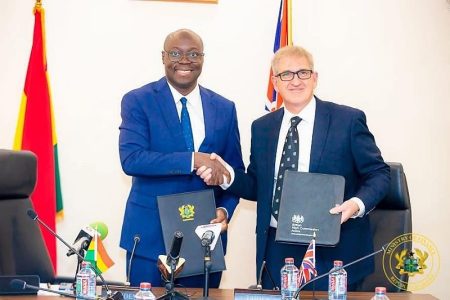
The political landscape in Ghana is buzzing with pre- and post-election activity, particularly regarding the signing of government contracts. Samuel Nartey George, the Member of Parliament for Ningo Prampram, has issued a stern warning to the incumbent New Patriotic Party (NPP) to refrain from entering into new contracts after the 2024 general election. He argues that such contracts, especially those backdated to appear as if they were signed before the election, will not be honored by the incoming National Democratic Congress (NDC) administration. This preemptive declaration signals a potential point of contention during the transition period and raises concerns about the sanctity of contracts signed during this sensitive time. George’s statement highlights the deep-seated distrust between the two major political parties and foreshadows potential legal challenges and policy reversals in the coming months. The NDC’s assertion that they are actively monitoring all contract signings further underscores their commitment to scrutinizing the NPP’s actions and adds a layer of tension to the transition process.
George’s warning carries significant weight, particularly given the NDC’s confidence in their return to power. With John Dramani Mahama poised to be sworn in as President on January 7, 2025, the NDC’s stance on these contracts could have far-reaching implications for businesses, investors, and the overall economic stability of Ghana. The party’s refusal to acknowledge post-election contracts could lead to legal battles, stalled projects, and potentially deter future investment. This strong stance raises crucial questions about the continuity of government operations and the potential disruption that could arise from a change in administration. The implication is that the NPP is attempting to bind the incoming government to agreements they did not make, potentially undermining the NDC’s ability to implement its own agenda.
The underlying concern expressed by the NDC is the potential for the outgoing NPP government to engage in last-minute deals that could benefit their party members or supporters, potentially at the expense of the national interest. This suspicion is fueled by the practice of backdating contracts, which raises questions about transparency and accountability. The NDC’s vigilance in monitoring these activities suggests a deep-seated concern about potential abuse of power during the transition period. By issuing this public warning, the NDC aims to deter such practices and ensure a responsible handover of power. The focus on transparency and accountability in government contracting is a critical element of the narrative leading up to the transition.
In the interest of a smooth transition, a team assembled by President-elect Mahama is scheduled to collaborate with a government-appointed team. This collaborative effort aims to facilitate a seamless transfer of power and minimize disruptions to government functions. However, the strong stance taken by the NDC regarding post-election contracts casts a shadow over this collaborative spirit. The potential for disagreement and legal challenges related to these contracts could complicate the transition process and create an atmosphere of uncertainty. The success of this transition team will depend on their ability to navigate these potential conflicts and foster a spirit of cooperation between the two parties.
The NDC’s position on these contracts reflects a broader concern about the integrity of governance during periods of political transition. The potential for outgoing administrations to engage in last-minute deals, appointments, or policy changes that could benefit their own interests at the expense of the incoming government is a recurring theme in many democracies. The NDC’s proactive approach in this case serves as a reminder of the importance of vigilance and accountability during these periods of change. The incoming administration’s focus on scrutinizing contracts signed during the transition period underscores the need for transparency and responsible governance.
The unfolding situation in Ghana highlights the complex dynamics of political transitions and the potential for conflict arising from pre-election activities. The NDC’s strong warning against the signing of post-election contracts sets the stage for a potentially contentious period. The success of the transition and the stability of Ghana’s governance will depend on the ability of both parties to navigate these challenges constructively and prioritize the interests of the nation. The emphasis on transparency, accountability, and the rule of law will be crucial in ensuring a peaceful and productive transition of power.