





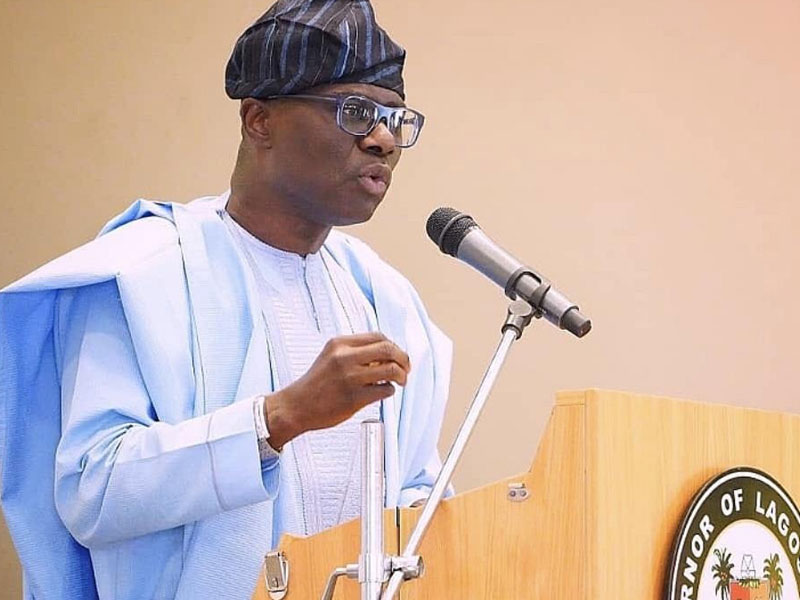
Lagos State Governor Babajide Sanwo-Olu has emphasized his administration’s significant investments in the agriculture sector, envisioning it as a pillar of the state’s economy. During the grand finale of the 2024 World Food Day celebration at the Police College in Ikeja, he underscored the government’s commitment to transforming agriculture through various initiatives. A noteworthy aspect of this transformation is the training of over 100,000 women and youth in different agricultural value chains, showcasing the administration’s dedication to inclusive growth and empowerment of marginalized groups. In line with this vision, the governor announced the rebranding of the Ministry of Agriculture to the Ministry of Agriculture and Food Systems, which aims to bolster food systems management, mechanization, food safety, and ultimately lower food prices for residents.
Sanwo-Olu introduced the Food Systems Transformation Agenda, which seeks to create a resilient and secure food ecosystem in Lagos by minimizing post-harvest losses, improving traffic flow in food markets, and enhancing state revenue. A pivotal element of this agenda is the construction of the Lagos Central Food Security System and Logistics Hub at Ketu-Ereyun, projected for completion by December 2024. This initiative represents a broader effort to streamline food distribution and ensure a steady supply of agricultural products throughout the state. Moreover, the governor highlighted the 32-tonne/hour Lagos Rice Mill at Imota as a crucial asset that aims to produce 2.4 million bags of rice annually, ultimately reducing the state’s reliance on imported rice and generating approximately 250,000 jobs.
In a bid to modernize agricultural practices, Sanwo-Olu announced the launch of the Eko Agro Mechanisation Programme, which integrates technology into farming operations. Through partnerships with the private sector, the government ensures farmers can access mechanization services, which optimizes productivity and efficiency. The administration’s support for farmers extends beyond mechanization; it encompasses training, access to inputs, infrastructure, and equipment. The ongoing initiatives have already trained 100,000 women and youth across diverse agricultural value chains. As part of promoting agricultural interest among youth, the Lagos Agricultural Scholars Programme aims to inspire secondary school students to pursue careers in agriculture, emphasizing sustainable farming skills.
Another focus of the governor’s initiatives is the Cattle Feedlot Project at Igbodu, which aims to reduce cattle imports into Lagos by half within five years. By promoting locally sourced, disease-free beef, this project is anticipated to enhance food security and support local farming communities. Going hand-in-hand with cattle production, the Lagos Aquaculture Centre of Excellence is contributing to the fishery sector’s growth, addressing the increasing demand for fish and thereby boosting the local economy. These efforts signify a comprehensive approach to ensuring food availability and affordability while simultaneously promoting local sourcing.
Furthermore, Sanwo-Olu’s administration is collaborating with the World Bank on critical projects such as the Agro-Processing, Productivity Enhancement, and Livelihood Improvement Support Project and the Lagos CARES initiative. These collaborations aim to enhance agricultural infrastructure, improve market access, and minimize post-harvest losses, benefiting numerous households throughout Lagos. Another key aspect involves the “Produce for Lagos” initiative, which identifies production clusters to bolster local food production. This initiative provides vital resources and support to poultry farmers and vegetable growers, enhancing productivity and encouraging self-sufficiency in food production.
Dr. Oluwarotimi Fashola, the Governor’s Special Adviser on Agriculture and Food Systems, added that the ministry remains dedicated to ensuring all citizens have access to adequate, safe, and nutritious food. Recognizing the consequences of poor nutrition on global health, particularly the impact of inadequate fruit and vegetable supply, Fashola reiterated the commitment to training existing and aspiring farmers. This educational focus is pivotal for sectoral growth and aligns with the government’s THEMES+ Agenda, which prioritizes sustainable development in Lagos State. Together, these initiatives reflect a strong foundational strategy aimed at elevating the agricultural sector’s contribution to the state’s economy and improving the overall well-being of its residents.








