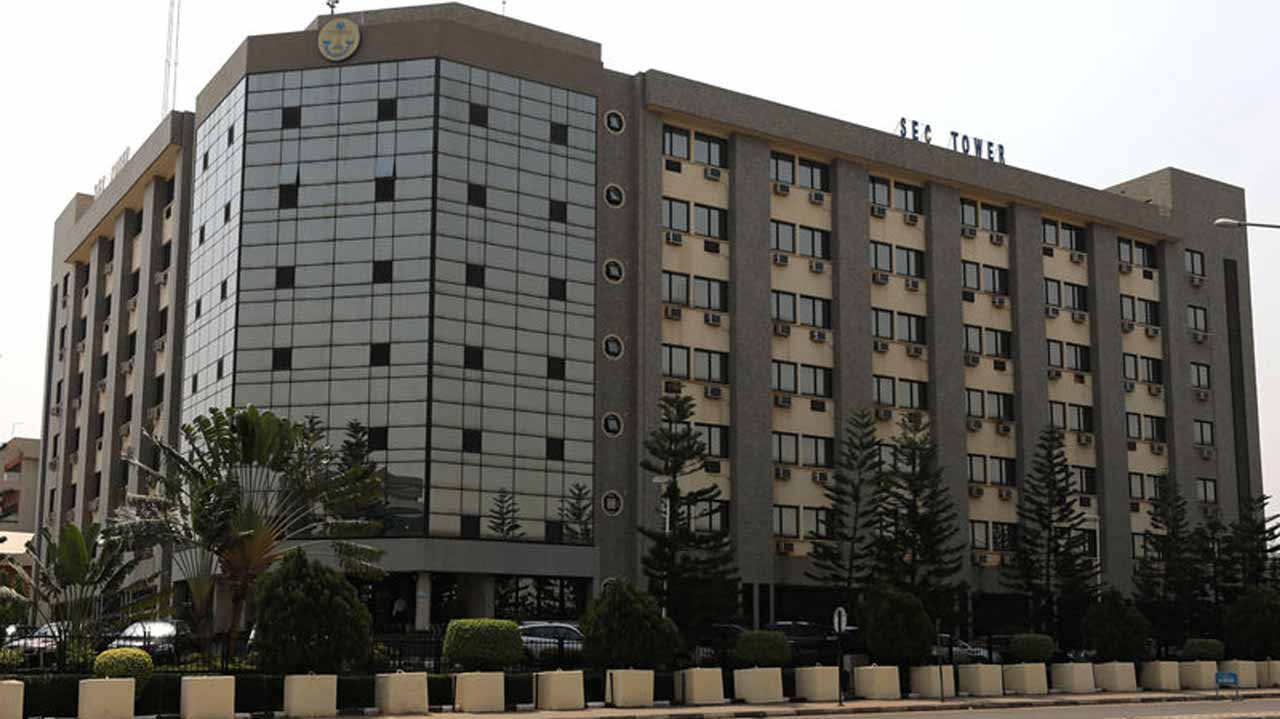
In a recent report, the Securities and Exchange Commission (SEC) announced that banks and other corporate entities raised a substantial N2.7 trillion from the capital market within the first eleven months of 2024. This figure predominantly stems from various financial instruments and investment strategies aimed at boosting business operations while simultaneously contributing to economic growth and enhancing activities within the financial markets. It is crucial to note that this amount encompasses equity capital raised but excludes funds procured by fund managers in the capital market. The SEC revealed that banks alone contributed approximately N1.7 trillion to this total during their recapitalization exercises, highlighting the significant role of banks in supporting the capital market’s momentum.
Delivering a keynote address at the 2024 Journalists Academy in Abuja, SEC Director-General Dr. Emomotimi Agama underscored the impact of the banking recapitalization efforts, emphasizing that they have been instrumental in fostering financial stability, bolstering investor confidence, and improving the overall health of the Nigerian economy. He elaborated on the various components of the N2.7 trillion raised, mentioning that aside from the bank-generated capital, the figure includes other elements from the broader capital market involving equity rates, rights issues, and public offerings. The focus on transparency and awareness in the capital markets was reiterated, showcasing the SEC’s commitment to nurturing a robust financial environment for all participants.
In discussing macroeconomic indicators, Dr. Agama highlighted significant shifts that have occurred since the current leadership of the SEC took over, reflecting a focused approach to reposition its operations. He outlined the establishment of specialized departments designed to enhance regulatory processes, specifically mentioning the creation of an office dedicated to fintech and another for derivatives and risk management. These new offices and their objectives are fundamental in creating a regulatory framework that can adequately address emerging financial innovations while safeguarding stakeholders involved in these markets. The SEC’s proactive initiatives aim to tackle existing challenges effectively, such as unclaimed dividends, thereby improving service delivery to the public.
A major point of progress reported by Agama is the registration of Capital Market Operators, particularly the onboarding of fintech companies through the SEC’s Regulatory Incubation Programs. This initiative is integral to ensuring an inclusive regulatory framework that anticipates and integrates technological advancements, thus keeping pace with the financial sector’s rapid evolution. Moreover, Agama emphasized the SEC’s collaboration with the Nigerian Financial Intelligence Unit aimed at removing Nigeria from the FATF grey list, positioning this as critical for enhancing the nation’s financial sector. Successful implementation of this collaborative effort will not only bolster Nigeria’s international financial reputation but also prevent potential economic sanctions that could arise from being perceived as a high-risk economy at the global level.
The director-general also discussed the introduction of a 90-day Regulatory Reform Accelerator Programme by the Presidential Enabling Business Environment Council, aimed at improving service delivery across various Ministries, Departments, and Agencies (MDAs). This program is designed to attract both foreign and domestic investments by ensuring better transparency and accessibility of information. Dr. Agama highlighted that continuous improvements in the regulatory environment are essential for stimulating investment and fostering economic resilience. Additionally, he pointed out the ongoing efforts to update the Investment Securities Act of 2007, ensuring that the regulatory framework remains contemporary and conducive for market operations.
Further emphasizing the SEC’s dedication to national economic development, Agama mentioned the approval of a Real Estate Investment Fund by the Ministry of Finance Incorporated, aimed at addressing Nigeria’s housing deficit through affordable mortgage financing as part of the government’s One Million Homes initiative. This strategic initiative, valued at N250 billion, reflects the SEC’s commitment to facilitating developmental projects that align with the nation’s long-term economic goals. Looking ahead, Dr. Agama previewed the SEC’s 2025 outlook, which will concentrate on enhancing market transparency, utilizing financial technology for innovation and inclusion, and fostering collaborations with both domestic and international stakeholders to secure financial stability.
Finally, Dr. Agama recognized the media as a pivotal player in shaping public understanding and perception of the capital market. He asserted that through accurate reporting and informed critiques, the media can significantly contribute to building public trust in Nigeria’s financial markets. By engaging with the media constructively, the SEC hopes to elevate awareness about the opportunities within the capital market, ultimately advocating for a robust investment culture in Nigeria. The SEC’s initiatives and strategic foresight are poised to facilitate a more dynamic and resilient capital market, bolstering the country’s overall economic landscape.