









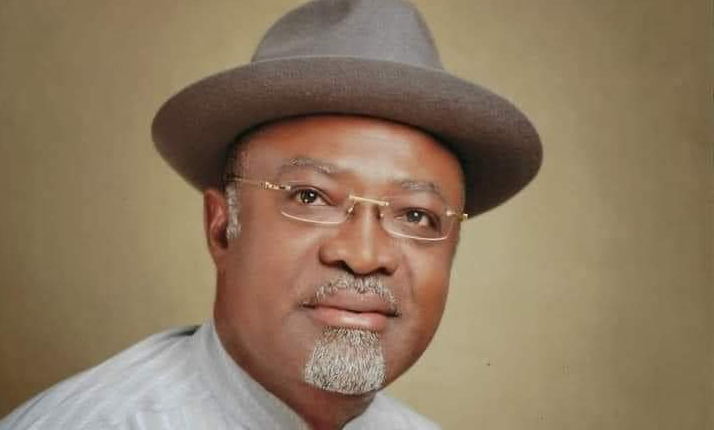
Chief Abiye Sekibo, former Minister of Transport, publicly declared his and other political leaders’ shift in allegiance from former Vice President Atiku Abubakar to President Bola Ahmed Tinubu, attributing this change to the influence of Rivers State Governor Siminalayi Fubara. Speaking at the inauguration of a rehabilitated fire station in Borokiri, Sekibo emphasized Fubara’s role in persuading them to support Tinubu, urging the President to disregard any claims that the governor is surrounded by Atiku loyalists. He underscored the Rivers people’s historical alignment with the federal government, asserting that Fubara has solidified this commitment by convincing them to stand with Tinubu. Sekibo, a self-proclaimed former “core Atiku man,” acknowledged the presence of other Atiku supporters within the governor’s circle and even in Abuja, but reiterated their collective decision to align with the elected president. He further highlighted the significance of Fubara’s governorship, representing the first Ijaw governor in Rivers State in 24 years, solidifying their support for him.
Sekibo commended Fubara’s governance, emphasizing his prioritization of the people’s interests and the unity of the country. He cited Fubara’s effective management of the state’s affairs during a period when state funds were seized, ensuring the continuity of essential services and maintaining a harmonious relationship with the federal government. Sekibo urged President Tinubu to reciprocate this support, describing Fubara as a valuable ally. He appealed to the people of Rivers State to rally behind their governor, emphasizing his embodiment of their hopes and future. Referencing a past incident where former Governor Nyesom Wike’s second term was threatened, Sekibo recounted the unwavering support of the Rivers people, particularly in Okrika and Ogu/Bolo Local Government Areas, who defied the military to protect the integrity of the election results. He pledged their continued commitment to Fubara, suggesting they are ready to do even more for him than they did for his predecessor.
Governor Fubara, in his address, emphasized the fundamental role of government in providing services and protecting lives and property. He highlighted the importance of showcasing their accomplishments to demonstrate their commitment to serving the people. Fubara underscored the significance of the fire station as a vital component of any functioning society, recalling the recent unveiling of the new headquarters and explaining the strategic decision to rehabilitate the Borokiri station due to the area’s dense population. He expressed confidence that the rehabilitated station would significantly enhance their ability to respond effectively to fire incidents, emphasizing their commitment to serving the people and the joy it brings them to witness the positive impact of their efforts. This rehabilitation project serves as a tangible demonstration of Fubara’s commitment to providing essential services and safeguarding the well-being of the community.
The inauguration of the Borokiri Fire Service Station served as the backdrop for Sekibo’s declaration of support for Tinubu, underscoring the political dynamics at play. His emphasis on Fubara’s influence in their decision highlights the governor’s growing political clout and his ability to sway the allegiance of key political figures. This public declaration further solidifies Fubara’s position within the political landscape and signals a potential shift in power dynamics within the state. The event also provided Fubara with an opportunity to showcase his commitment to the people of Rivers State, highlighting the practical benefits of his administration’s efforts. The rehabilitation of the fire station represents a tangible improvement in the community’s safety and well-being, reinforcing Fubara’s image as a proactive and effective leader.
Sekibo’s remarks further emphasized the importance of aligning with the federal government, reflecting a strategic move to secure resources and support for Rivers State. By publicly declaring their support for Tinubu, Sekibo and other political leaders aim to foster a strong working relationship with the federal government, potentially leading to increased investment and development in the state. This alignment also signals a desire for political stability and cooperation, potentially mitigating any tensions or conflicts that might arise from opposing the ruling party. The emphasis on unity and collaboration reflects a broader political strategy aimed at maximizing the benefits for Rivers State under the Tinubu administration.
The event highlighted the interconnectedness of politics and governance in Rivers State. The inauguration of the fire station, while a practical measure to improve community safety, also served as a platform for political maneuvering and declarations of allegiance. This intersection underscores the importance of political relationships in securing resources and implementing development projects. It also highlights the role of symbolism and public perception in shaping political narratives. By associating himself with essential services and community development, Fubara reinforces his image as a capable and caring leader, consolidating his political standing and strengthening his support base. The event served as a testament to the interplay between political strategy and practical governance in Rivers State, demonstrating how these elements can be leveraged to achieve political goals and improve the lives of citizens.









