









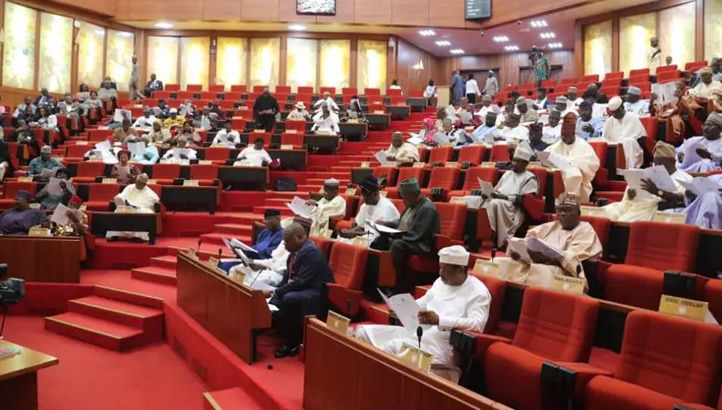
The Nigerian Senate’s endeavor to collaborate with the executive branch on refining recently passed tax reform bills has encountered an initial snag, highlighting the complexities of intergovernmental coordination. President Bola Tinubu, recognizing the need for a unified approach, directed the executive, represented by Attorney-General Lateef Fagbemi, to engage with lawmakers to address ambiguities and potential concerns within the legislation. The Senate responded by forming a special committee tasked with this liaison, with the expectation of a swift review process culminating in a report before the year’s end. However, initial attempts to schedule a meeting between the Senate committee and the AGF have proven unsuccessful, delaying the commencement of the collaborative review.
The delay stems from a communication gap between the Senate and the AGF’s office. While the Senate President, Godswill Akpabio, publicly announced the formation of the committee and the intended meeting, the AGF reportedly hadn’t received a formal invitation. This procedural lapse, though seemingly minor, underscores the importance of clear and official communication channels between government branches, particularly when dealing with sensitive legislative matters. The reliance on media announcements, while potentially useful for public awareness, cannot substitute for direct and official correspondence, which ensures clarity and avoids misunderstandings that can impede progress.
The Senate committee, chaired by Senator Abba Moro, remains optimistic about completing its task within the allocated timeframe. Despite the initial setback, the committee maintains that sufficient time remains to conduct the necessary review and submit its recommendations. Senator Moro’s statement reflects a pragmatic approach, emphasizing that only one week of the anticipated two-week timeframe has elapsed, leaving ample opportunity to engage with the AGF once the communication issue is resolved. This positive outlook suggests a commitment to fulfilling the President’s directive and ensuring a thorough review of the tax reform bills.
The tax reform bills themselves represent a significant legislative undertaking, aiming to reshape the nation’s fiscal landscape. The President’s call for collaboration between the executive and legislative branches highlights the importance of achieving a consensus on these complex legal and economic instruments. A joint review process can help identify potential unintended consequences, refine ambiguous provisions, and ensure the bills align with the overall economic goals of the administration. This collaborative approach is crucial for building public trust and ensuring the effective implementation of the reforms.
The current situation presents an opportunity to strengthen intergovernmental communication protocols. While the delay is regrettable, it underscores the need for clear and established procedures for communication between different branches of government. Implementing more robust communication channels, such as formal written invitations followed by confirmations, can prevent similar misunderstandings in the future and facilitate a smoother legislative process. This incident serves as a reminder that effective governance relies not only on sound policy but also on efficient and transparent communication.
The successful resolution of this communication issue will pave the way for the crucial collaborative review of the tax reform bills. The Senate committee’s commitment to completing its task, coupled with the President’s emphasis on collaboration, suggests a positive outlook for the process. The efficient and thoughtful review of these bills is essential for ensuring that they serve the best interests of the nation and contribute to a stable and prosperous economic future. The outcome of this collaborative effort will significantly impact the nation’s fiscal health and will be closely watched by stakeholders across various sectors.









