The Nigerian automotive industry stands at a crossroads, poised for growth but grappling with significant challenges. A recent oversight visit by the Senate Committee on Industry to several automotive plants in Lagos underscored the urgent need for deeper backward integration – the process of sourcing components and materials locally – as a catalyst for economic development and job creation. The visit highlighted both the promising strides made by some companies and the persistent obstacles hindering the industry’s full potential. While some manufacturers demonstrated significant progress in incorporating locally sourced components, others lagged, prompting calls for accelerated efforts and government support to ensure the sector’s long-term viability.
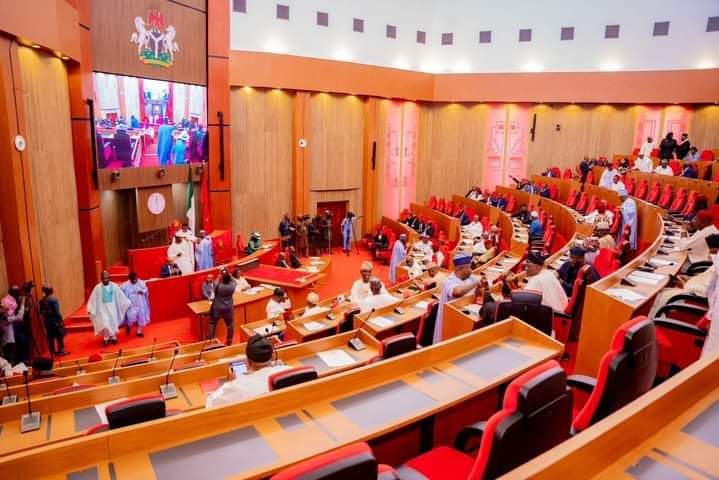
The Senate Committee, led by Vice Chairman Senator Shuaibu Lau, emphasized the crucial role of the automotive sector in driving economic growth and generating employment opportunities. The oversight visit served as a platform to directly assess the challenges faced by automakers and explore solutions, ranging from legislative interventions to executive guidance, aimed at reducing production costs and facilitating expansion. The committee acknowledged the complexities of achieving robust backward integration but stressed its necessity for sustainable growth, urging companies to prioritize local sourcing to bolster the domestic economy.
The Director-General of the National Automotive Design and Development Council (NADDC), Joseph Osanipin, echoed the Senate Committee’s commitment to supporting the automotive industry. He called for a significant increase in the percentage of local components utilized in vehicle, motorcycle, and tricycle production. While acknowledging the progress made by certain companies, Osanipin emphasized the need for accelerated efforts, setting a target of 2025 for substantial improvements in backward integration. This push for local content aims to reduce reliance on imported materials, stimulate job creation, and strengthen the overall economy.
However, the industry faces significant headwinds, particularly the financial strain of competing with importers of fully built vehicles. Dangote Sinotruk, a prominent player in the sector, voiced concerns about its long-term viability, highlighting the challenges of operating profitably in a market dominated by imported vehicles. The company appealed for urgent government intervention, emphasizing the need for policies that level the playing field and support domestic manufacturers. This plea underscores the precarious position of some automakers and the critical need for timely and effective government support.
The oversight visit also revealed inconsistencies in the implementation of existing policies. Wandel International Ltd, a motorcycle assembly plant, faced scrutiny for its limited use of locally sourced materials despite benefiting from tariff concessions. The Senate Committee urged the company to expedite partnerships with local manufacturers to align with the spirit of these concessions and contribute more effectively to the domestic economy. Wandel, while affirming its commitment to supporting the Nigerian economy, also appealed for tax reductions to maintain competitive pricing for its products. This exchange highlights the delicate balance between incentivizing local production and ensuring affordability for consumers.
The Senate Committee reiterated its dedication to addressing the systemic challenges plaguing the automotive industry, including issues related to power supply and steel production, both crucial inputs for the sector. Recognizing that the success of backward integration hinges on a supportive ecosystem, the committee pledged to advocate for policies and legislation that foster local sourcing and reduce dependence on imports. The ultimate goal is to transform the automotive industry into a key driver of Nigeria’s industrial development, creating jobs, stimulating economic growth, and enhancing the country’s global competitiveness. The journey towards achieving this ambitious vision will require sustained commitment, collaboration between government and industry, and a strategic approach to overcoming the challenges that lie ahead.