The Nigerian Senate, in a plenary session, delivered a scathing indictment of the privatized power sector, declaring it a resounding failure after eleven years of operation. The declaration stemmed from the persistent instability of the national grid, leading to frequent power outages across the country. This condemnation arose during the deliberation of a report presented by the Senate Committee on Power, tasked with investigating the recurring grid collapses and associated challenges plaguing the nation’s electricity supply. The Senate’s dissatisfaction with the current state of affairs was so profound that it hinted at the possibility of legislative action to reverse the privatization policy, a move that could significantly reshape the landscape of the Nigerian power sector.
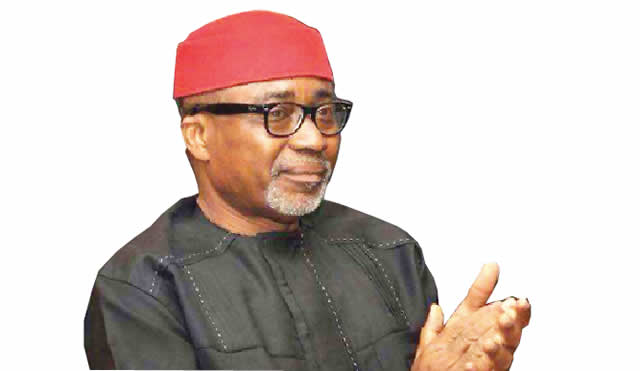
The committee’s report, presented by its chairman, Senator Enyinnaya Abaribe, identified a complex interplay of factors contributing to the persistent grid failures. These included the deteriorating condition of aging infrastructure, the abandonment of projects worth trillions of naira, regulatory inefficiencies, security vulnerabilities, the lack of modern monitoring systems like SCADA, and inadequate financial oversight. The report underscored the stark reality that despite substantial investments poured into electricity infrastructure, the national grid had experienced a staggering 105 collapses over the past decade, a testament to the deep-seated systemic issues plaguing the sector. This instability translates into significant economic losses, affecting businesses, industries, and the daily lives of Nigerian citizens.
The financial implications of these grid collapses were further highlighted in the report, focusing on the exorbitant costs associated with restarting power plants after each incident. The process, known as a “black start,” involves significantly higher expenses compared to normal operational costs. Citing specific examples, the report revealed that while the running cost for plants like Azura, Delta, or Shiroro is approximately $105,000, restarting them after a grid collapse can escalate to a staggering $7 million per incident. This disparity translates to a cumulative cost of approximately N42.5 billion for these three plants alone due to grid collapses, representing a massive financial burden on the already strained power sector.
Beyond the immediate financial repercussions, the report emphasized the long-term challenges posed by the aging national grid. At over 50 years old, the grid is deemed outdated and ill-equipped to handle the demands of modern electricity distribution. The report stressed the urgent need for modernization to align the grid with current operational standards and ensure a stable and reliable power supply. The committee’s findings also pointed to operational inefficiencies, abandoned projects, regulatory gaps, security challenges, and the absence of Supervisory Control and Data Acquisition (SCADA) systems, crucial for real-time monitoring and effective grid management. These shortcomings, compounded by the outdated infrastructure, paint a picture of a sector struggling to keep pace with the nation’s growing energy needs.
The Senate deliberations on the report sparked impassioned contributions from various senators, each offering their perspectives on the power sector’s woes. Senator Adams Oshiomhole criticized the privatization policy as inherently flawed and exploitative, arguing that it has placed an undue financial burden on Nigerian citizens. He condemned the practice of electricity distribution companies (Discos) charging for services not rendered, highlighting the vulnerability of consumers in a system lacking accountability. Senator Abdul Ningi echoed these sentiments, emphasizing the lack of accountability as a key reason for the persistent failures in the power sector. He argued that without holding those responsible for lapses accountable, the sector’s inefficiencies would continue unchecked, hindering any meaningful progress towards a reliable power supply.
Following the extensive debate, the Senate decided to postpone further consideration of the report, granting the committee an additional six weeks to conduct a more comprehensive investigation into the power sector’s challenges. This extension will allow the committee to delve deeper into the identified issues, gather more evidence, and formulate concrete recommendations for legislative action. The Senate’s decision underscores its commitment to addressing the power crisis and its recognition of the need for a thorough and well-informed approach to resolving the complex issues plaguing the sector. This move also signals the potential for significant legislative changes in the near future, aimed at restructuring the power sector and ensuring a stable and sustainable electricity supply for Nigeria.