





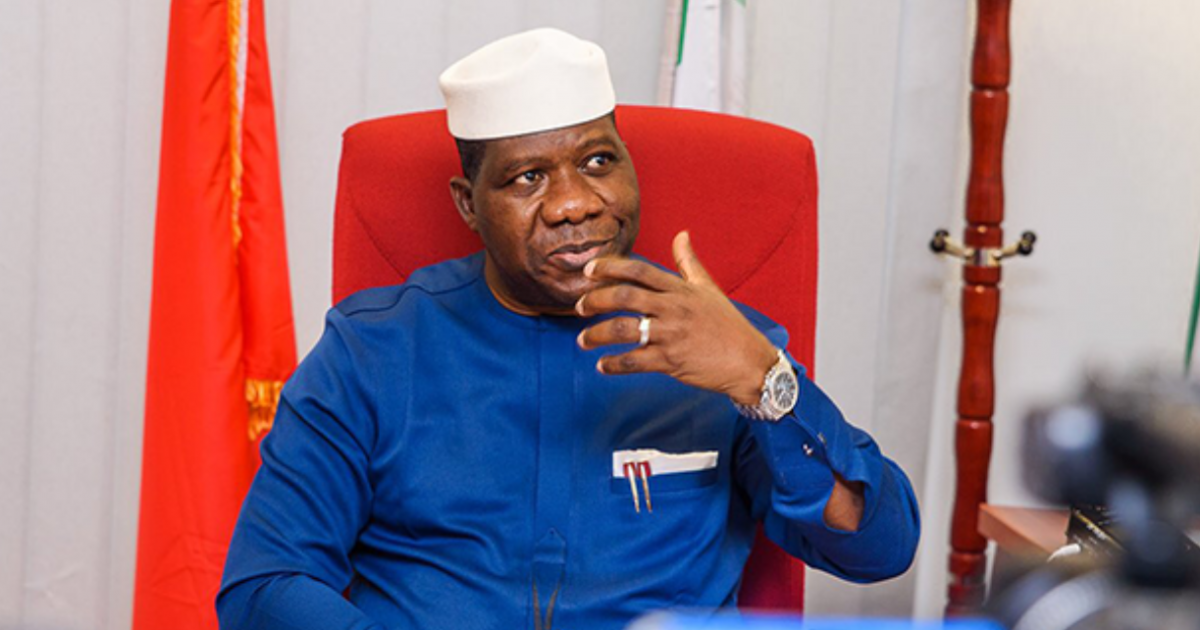
The rising tide of insecurity across Nigeria, marked by recent killings in Plateau, Benue, Borno, and parts of the South-East, has prompted calls for a decentralized approach to policing. Senator Opeyemi Bamidele, the Leader of the Senate, revealed that the National Assembly is actively developing a legal framework to empower individual states to establish their own police forces. This initiative aims to address the escalating violence and communal clashes that have plagued various regions of the country. The senator’s announcement comes on the heels of a similar call to action by former Defence Minister, Lt. Gen. Theophilus Danjuma (retd.), urging Nigerians to take up self-defense in the face of escalating banditry and criminal activities, highlighting the perceived inadequacy of relying solely on government protection.
Senator Bamidele expressed confidence that the introduction of state police would significantly contribute to curbing the alarming spate of killings and communal conflicts. He emphasized the imperative for security agencies to intensify their efforts in apprehending and prosecuting those responsible for the violence, kidnappings, and destruction of property across the nation. The senator condemned the recent killings in Benue and Plateau States, characterizing them as a stark contradiction to the principles of peace and love espoused by Jesus Christ, particularly during the Easter season. He further criticized the rhetoric employed by certain political and sectional figures, arguing that their utterances undermine the values of courage, perseverance, and tolerance exemplified by Christ. Bamidele underscored the importance of national unity, stressing that no country can thrive when internal divisions and conflicts prevail.
While advocating for the establishment of state police, Senator Bamidele also appealed to security agencies to collaborate effectively in tracking down and apprehending the masterminds and sponsors of terrorist attacks throughout the country. He urged political actors to refrain from exploiting the nation’s challenges to promote divisive narratives, emphasizing the need for unity and cooperation in addressing the country’s security concerns. He cautioned against using the prevailing insecurity as a platform for political gain, advocating instead for a focus on collective efforts to build a stronger and more unified nation.
Furthermore, Senator Bamidele reiterated the 10th National Assembly’s commitment to realizing the state police initiative, highlighting it as a crucial step towards enhancing security and stability across the country. He stressed that this legislative effort forms part of a broader agenda to create a federation renowned for peace, progress, and prosperity. He called on all stakeholders, irrespective of their ethnicity, political affiliation, or religious beliefs, to eschew divisive rhetoric and unite against the common enemies threatening Nigeria’s stability. Bamidele emphasized the need for collective responsibility in addressing the nation’s security challenges, urging stakeholders to prioritize the common good over parochial interests.
The senator’s call for unity echoes the sentiment expressed by Lt. Gen. Danjuma, albeit with a focus on institutional reform rather than individual self-defense. Both figures acknowledge the gravity of the security situation and the urgent need for effective measures to protect lives and property. The proposed establishment of state police represents a significant shift in Nigeria’s security architecture, potentially granting greater autonomy to states in managing their internal security affairs. This move, however, is likely to spark debates regarding the potential for abuse of power and the need for robust oversight mechanisms to ensure accountability and prevent the politicization of state police forces.
The success of state police in addressing Nigeria’s security challenges will hinge on several factors, including adequate funding, training, and equipment, as well as effective coordination between state and federal law enforcement agencies. Moreover, addressing the root causes of insecurity, such as poverty, unemployment, and social inequality, will be crucial for achieving lasting peace and stability. The implementation of state police requires careful planning and execution to avoid exacerbating existing tensions and creating new security challenges. A comprehensive approach that combines institutional reforms with socio-economic development initiatives is essential for building a secure and prosperous future for Nigeria.








