









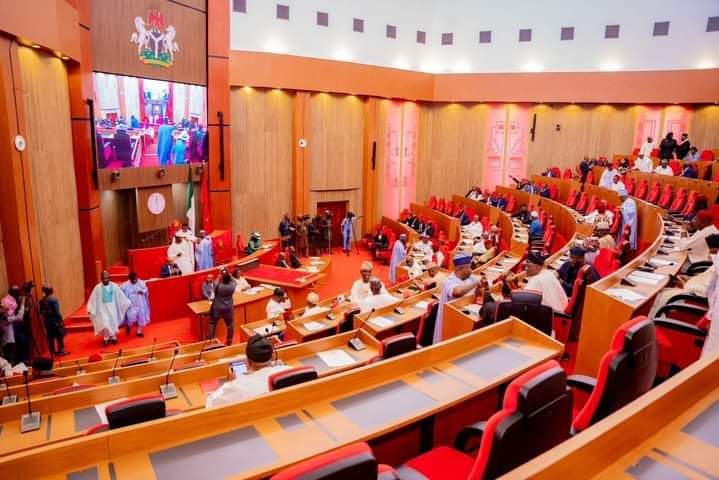
The Nigerian Senate engaged in a rigorous scrutiny of the 2025 budget proposals presented by key government figures, including the Minister of Finance and Coordinating Minister of the Economy, Wale Edun, the Minister of Budget and Economic Planning, Atiku Bagudu, and the Director General of the National Orientation Agency (NOA), Lanre Issa-Onilu. The Managing Director of the News Agency of Nigeria (NAN), Ali Mohammed, also faced intense questioning. The Senate Committee on Appropriation grilled Ministers Edun and Bagudu, while the Committee on Information and National Orientation engaged with the heads of NOA and NAN. The overarching theme of the sessions revolved around budget performance, particularly concerning the utilization of funds from fuel subsidy removal and the implementation of capital projects.
Minister Edun encountered significant challenges when pressed by the Appropriation Committee to provide specifics on the 2024 budget implementation, particularly its capital component. Senator Abdul Ningi raised critical questions regarding the utilization of savings from fuel subsidy removal, expenditure on debt servicing, and the rationale behind extending the 2024 capital budget implementation timeline. Edun’s apparent lack of preparedness for these pointed inquiries led him to request a closed-door session, suggesting the need for a more detailed and perhaps sensitive discussion away from the media. This request was granted by the committee chairman, Senator Solomon Olamilekan, underscoring the delicate nature of the financial information being discussed.
Concurrently, the Senate Committee on Information and National Orientation engaged in a detailed review of the budget proposals from NOA and NAN. The committee, chaired by Senator Kenneth Eze, expressed concerns about the clarity and justification of budget allocations. The NOA Director General, Issa-Onilu, faced scrutiny over a National Identity Project, which the committee deemed insufficiently explained to the public. While Issa-Onilu defended the project’s importance in fostering national unity and development, the committee remained unconvinced. The NAN Managing Director, Ali Mohammed, also faced tough questions related to discrepancies in the presented figures and the need for reconciliation before seeking approval for the 2025 budget.
The Senate’s rigorous questioning of these key officials highlights the legislature’s commitment to ensuring transparency and accountability in the management of public funds. The focus on fuel subsidy savings and capital expenditure underscores the importance of these areas in the nation’s economic landscape. The demand for detailed explanations and supporting documentation reflects a determination to prevent misappropriation and ensure that budgetary allocations are aligned with national development priorities. The closed-door session requested by Minister Edun, while allowing for a more candid discussion, also raises questions about the level of transparency surrounding certain financial matters.
The Senate’s scrutiny of the NOA and NAN budgets further emphasizes the importance of clear communication and public awareness regarding government programs and initiatives. The committee’s concerns about the National Identity Project highlight the need for agencies to effectively communicate the purpose and benefits of such projects to the public. This emphasis on transparency and public engagement reinforces the principle that government agencies should be accountable to the citizens they serve. The directive for NAN to reconcile its figures before seeking approval underscores the importance of accuracy and consistency in budget presentations.
Overall, the Senate’s engagement with these key government figures reflects a robust oversight process aimed at ensuring responsible and effective utilization of public resources. The focus on key areas such as fuel subsidy savings, capital expenditure, and public awareness of government programs underscores the legislature’s commitment to promoting transparency, accountability, and national development. The demand for detailed explanations, supporting documentation, and reconciliation of figures reinforces the importance of accuracy and consistency in budget presentations. This rigorous scrutiny by the Senate serves as a check on the executive branch and contributes to a more informed and participatory budget process. The closed-door session, while potentially necessary for sensitive discussions, also underscores the ongoing debate between transparency and the need for confidential deliberations in certain matters of national finance.
The Senate’s engagement serves as a critical component of the checks and balances system inherent in a democratic government, ensuring that taxpayer funds are utilized responsibly and effectively. By demanding accountability from government officials, the Senate upholds its responsibility to the Nigerian people. Furthermore, the scrutiny applied to budget proposals underscores the importance of a transparent and participatory budget process, essential for fostering trust and confidence in government institutions. The demand for clear explanations and justification for expenditures promotes informed decision-making and strengthens the democratic process.
The Senate’s focus on fuel subsidy savings and capital expenditure reflects the nation’s current economic challenges and the need for prudent financial management. The removal of fuel subsidies, while potentially beneficial in the long term, requires careful monitoring to ensure that the savings are utilized effectively and transparently. Similarly, the emphasis on capital expenditure highlights the importance of investing in infrastructure and other projects that contribute to long-term economic growth and development. By scrutinizing these key areas, the Senate plays a crucial role in shaping the nation’s economic trajectory.
The Senate’s engagement with the NOA and NAN underscores the importance of effective communication and public engagement in government activities. The concern expressed about the lack of public awareness regarding the National Identity Project highlights the need for government agencies to proactively communicate their activities and objectives to the public. This emphasis on transparency and public engagement strengthens democratic accountability and fosters trust between government institutions and the citizens they serve.
Finally, the Senate’s rigorous scrutiny of the 2025 budget proposals underscores the importance of a robust and transparent budget process. By demanding accountability from government officials and emphasizing the need for clear explanations and supporting documentation, the Senate contributes to a more informed and participatory budget process. This process is essential for ensuring that public resources are managed effectively and that government activities are aligned with national development priorities. The events highlight the crucial role of legislative oversight in promoting good governance and fiscal responsibility.









