









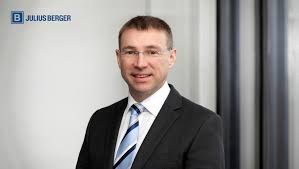
The Nigerian Senate, in a decisive move to assert its oversight authority and enforce accountability in public fund management, issued a warrant for the arrest of Dr. Peer Lubasch, the Managing Director of Julius Berger Nigeria Plc, a major construction company operating in the country. This action followed the company’s persistent refusal to comply with summons issued by the Senate Committee on Works to address concerns regarding project execution and cost escalations, particularly relating to the Odukpani-Itu Highway project. The Senate’s decision reflects a growing frustration with the perceived lack of transparency and cooperation from the construction giant, and underscores the legislature’s determination to hold public fund administrators accountable.
The motion for the arrest warrant, brought forward by Senator Osita Ngwu, the Senate Minority Whip, highlighted Julius Berger’s repeated failure to respond to invitations from the Committee on Works. The committee sought clarification on several critical issues, including the company’s alleged abandonment of the Odukpani-Itu Highway project and the dramatic increase in the contract sum from N54 billion to a staggering N195 billion. Senator Ngwu emphasized the constitutional powers vested in the National Assembly to investigate matters relating to public funds and to summon individuals or organizations involved in their administration. He further invoked the Legislative Houses (Powers and Privileges) Act, which empowers the Senate to issue arrest warrants for those who obstruct its proceedings.
The Odukpani-Itu Highway project, a critical infrastructure development initiative, served as the focal point of the Senate’s concerns. Senator Ngwu revealed that Julius Berger had received over N18 billion in public funds for the project but had failed to provide adequate explanations for its alleged abandonment. He also raised broader concerns about inconsistencies in performance among contractors handling various public projects, singling out Julius Berger for its alleged failure to meet project targets. The Senator’s motion painted a picture of a company seemingly unwilling to cooperate with the Senate’s inquiries, prompting the call for a decisive action to compel compliance.
The Senate’s move to issue an arrest warrant sparked a robust debate among the senators, reflecting differing views on the most appropriate course of action. Some senators, including Orji Uzor Kalu, Abdul Ningi, and Joel Onowakpo Thomas, advocated for the immediate issuance of the warrant by the Senate President, arguing that it was necessary to demonstrate the Senate’s authority and ensure Julius Berger’s appearance before the committee. They viewed the company’s repeated disregard for the Senate’s summons as a blatant affront to the institution and a potential impediment to its constitutional mandate of oversight.
On the other hand, senators like Seriake Dickson, Adams Oshiomhole, and Ahmad Lawan suggested a more measured approach, recommending that the matter be addressed at the committee level to explore alternative solutions and avoid unnecessary escalation. They argued that prioritizing dialogue and negotiation could potentially yield a more productive outcome and preserve the relationship between the Senate and Julius Berger. This faction emphasized the importance of due process and exploring all avenues for amicable resolution before resorting to more drastic measures like issuing an arrest warrant.
Despite the diverging opinions, the Senate ultimately voted in favor of issuing the arrest warrant for Dr. Lubasch. This decision underscores the Senate’s commitment to upholding its constitutional responsibilities and ensuring transparency and accountability in the management of public funds. It also sends a strong message to other companies engaged in public projects that the Senate will not hesitate to exercise its powers to compel compliance with its investigative processes. The issuance of the warrant marks a significant development in the ongoing efforts to ensure proper oversight of public projects and hold those responsible for their execution accountable for their actions. The Senate President, Godswill Akpabio, confirmed that the warrant would specify the date for Dr. Lubasch’s appearance before the Committee on Works, further emphasizing the Senate’s resolve to address this matter decisively.









