





The Socio-Economic Rights and Accountability Project (SERAP) has launched a forceful campaign demanding accountability from the Nigerian National Petroleum Company Limited (NNPCL) regarding the alleged disappearance of substantial public funds earmarked for critical national projects. At the heart of SERAP’s accusations are findings from the 2021 annual report of the Auditor-General of the Federation, which flagged significant financial irregularities within the NNPCL. The report, along with SERAP’s own independent audit, points to a pattern of mismanagement and potential diversion of funds intended for refinery rehabilitation and other oil-related expenditures. The magnitude of the missing funds, estimated at N825 billion and $2.5 billion, underscores the gravity of the situation and its potential impact on Nigeria’s economic well-being. SERAP’s insistent calls for transparency and accountability aim to shed light on these financial discrepancies and ensure that those responsible are held to account.
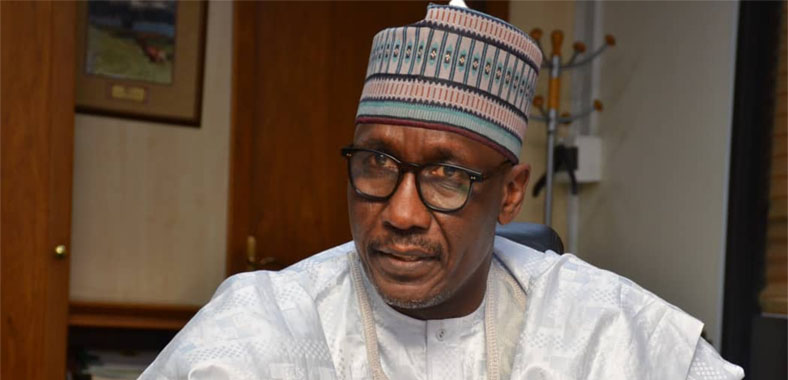
Central to SERAP’s demands is a direct appeal to Mele Kyari, the Group Chief Executive Officer of NNPCL, to provide a detailed explanation for the whereabouts of the missing funds. In a formal letter, SERAP outlined the specific allegations raised by the Auditor-General’s report, including the N825 billion allegedly deducted from crude oil sales for refinery repairs between 2020 and 2021. SERAP insists that these funds, if indeed diverted, must be recovered and returned to the national treasury. The organization also highlighted other questionable financial transactions, including substantial deductions for pipeline maintenance, withdrawals from a sinking fund account, and unexplained deductions from oil royalties, all of which contribute to the overall picture of financial mismanagement within the NNPCL. SERAP’s seven-day ultimatum to Kyari underscores the urgency of the situation and the organization’s commitment to pursuing legal action if necessary to compel the NNPCL to comply with its requests.
SERAP’s campaign extends beyond simply demanding explanations; it actively advocates for involving anti-corruption agencies in investigating the alleged financial improprieties within the NNPCL. The organization has called on Kyari to formally invite both the Economic and Financial Crimes Commission (EFCC) and the Independent Corrupt Practices and Other Related Offences Commission (ICPC) to scrutinize the NNPCL’s refinery operations. This call for external oversight reflects SERAP’s commitment to ensuring a thorough and impartial investigation into the alleged mismanagement of public funds. The organization believes that the involvement of these agencies is crucial for restoring public trust and holding those responsible for any wrongdoing accountable.
Adding another layer to the unfolding narrative is Kyari’s invitation to former President Olusegun Obasanjo to tour Nigeria’s refineries. While SERAP welcomed this gesture, the organization emphasized that it should not be seen as a substitute for a formal investigation by anti-corruption bodies. Instead, SERAP urged Kyari to extend the invitation to include representatives from the EFCC and ICPC, ensuring that the tour contributes to transparency and accountability rather than serving as a public relations exercise. This nuanced approach highlights SERAP’s commitment to leveraging all available avenues to ensure a comprehensive examination of the NNPCL’s financial practices.
However, the invitation to Obasanjo took an unexpected turn when the former president publicly rejected it, deeming it disrespectful. This rejection adds another layer of complexity to the situation, potentially signaling a deeper distrust of the NNPCL’s motives or a broader concern about the state of Nigeria’s oil sector. Obasanjo’s refusal to participate also underscores the need for a more robust and independent investigation, one that is not influenced by political considerations or perceived public relations maneuvers.
The implications of the alleged financial mismanagement within the NNPCL extend far beyond the immediate loss of public funds. According to SERAP, this pattern of mismanagement undermines Nigeria’s economic development, perpetuates poverty, and deprives citizens of opportunities. By highlighting the socio-economic consequences of corruption, SERAP frames its campaign not merely as a fight for financial accountability but as a struggle for social justice. The organization’s insistence on transparency and accountability aims not only to recover misappropriated funds but also to address the systemic issues that enable such mismanagement to occur in the first place, ultimately contributing to a more just and equitable society. The broad distribution of SERAP’s letter to key government officials, including President Bola Tinubu and the heads of various legislative and anti-corruption bodies, demonstrates the organization’s commitment to engaging all relevant stakeholders in addressing this crucial issue.








