





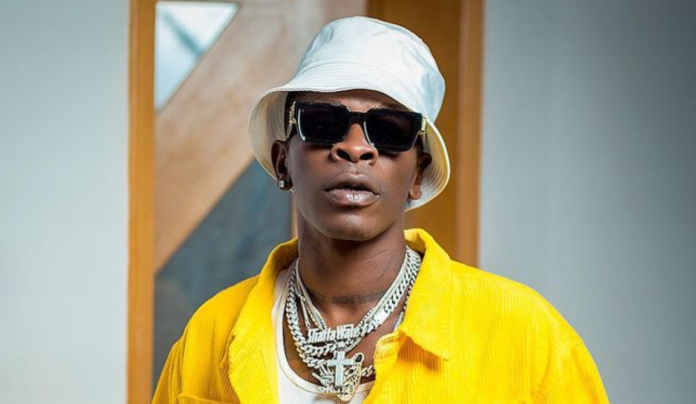
Dancehall artist Shatta Wale has openly criticized the Ghana Police Service regarding their recent arrests of young people for playing with toy guns. This incident involved the detention of 26 individuals who reportedly violated Section 207 of the Criminal Offences Act 1960, which prohibits the public display and usage of toy guns. The arrests are part of a broader concern about a growing trend that had emerged in regions such as Kumasi, where many youths began playing with toy guns as a form of nostalgic entertainment, reminiscent of childhood play. The seemingly innocent behavior was amplified by social media, where videos depicting these playful activities went viral, encouraging more participants to join in the fun.
Shatta Wale’s response to the situation was not only vocal but also passionate, as he took to social media to denounce the police actions as “primitive.” He emphasized that rather than arresting young individuals for engaging in a playful tradition, the authorities should have taken a more supportive role. By advocating for guidance over punitive action, the artist highlighted the importance of directing youth responsibly, especially during festive occasions like Christmas, when such playful behaviors might be seen as part of celebratory activities.
The artist’s reaction highlights a significant cultural clash between the authority’s interpretation of safety and the youth’s pursuit of recreation. Shatta Wale’s statement reflects widespread sentiments within segments of Ghanaian society, where playful and harmless behavior among the youth is often misunderstood by authorities. He criticized the lack of empathy shown towards the youth and expressed a desire for law enforcement to adopt a more understanding and nurturing approach instead of punitive measures.
This trend of playful gun use among young people can be interpreted as a social phenomenon, where participants create moments of joy and camaraderie through shared experiences. Social media plays a critical role in shaping these trends, transforming private play into public spectacles. Shatta Wale’s commentary points to a disconnect between the police’s legalistic viewpoint and the cultural expression of youthful freedom, positing that cracking down on such behavior is counterproductive to community engagement and social cohesion.
Furthermore, Shatta Wale’s commentary invites discussions about broader societal issues, including government and police relationships with the youth. His outspoken criticism draws attention to the need for a more humane understanding of youth culture. By emphasizing the importance of mentorship and guidance from authority figures, he suggests that fostering positive interactions could lead to fewer misunderstandings and conflicts, ultimately benefiting both the youth and the police.
In conclusion, the clash between the Ghana Police Service and the youth engaged in playful activities with toy guns exemplifies the delicate balance authorities must maintain between enforcing laws and understanding cultural expressions. Shatta Wale’s condemnation of the arrests sheds light on the need for empathy and constructive engagement from law enforcement, advocating for a shift toward mentorship rather than punishment. As societal norms evolve, so must the responses of those in authority, fostering a culture of understanding that appreciates the nuances of youth expression while maintaining public safety.








