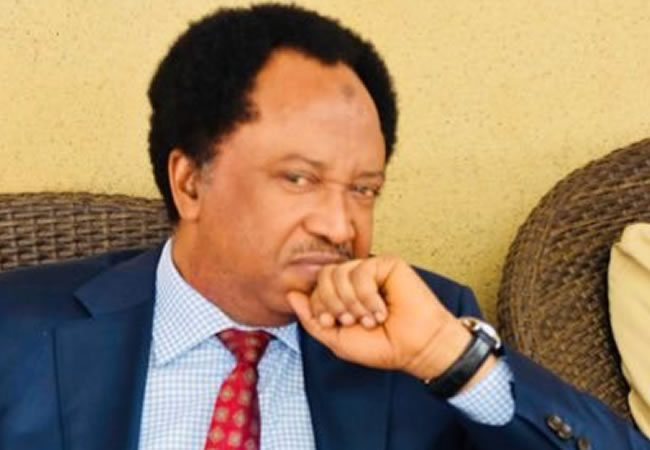
Shehu Sani, a prominent figure in Nigerian politics and a former senator representing Kaduna Central Senatorial District, recently rejoined the All Progressives Congress (APC) after a period of political maneuvering that saw him briefly align with other parties. His return to the APC marks a significant shift in the political landscape of Kaduna State, raising questions about the motivations behind his decision and the potential implications for the state’s future political trajectory. Sani’s explanation for his return centers around the reconciliation efforts initiated by the current Kaduna State Governor, Uba Sani, who has been actively engaging in bridge-building across the state.
Sani’s political journey has been marked by both alliances and disagreements. As a founding member of the APC in Kaduna State, he played a pivotal role in establishing the party’s structures and contributing to its electoral victories in 2015. However, his relationship with the former governor, Nasir El-Rufai, soured due to a combination of political, personal, and policy differences. These disagreements ultimately led to Sani’s departure from the APC in 2018. He subsequently joined the Peoples Democratic Party (PDP) and secured their senatorial ticket but was unsuccessful in his bid to retain his seat in the 2019 elections, losing to the current governor, Uba Sani.
The recent reconciliation efforts spearheaded by Governor Uba Sani appear to have played a crucial role in prompting Shehu Sani’s return to the APC. The governor’s focus on building bridges and fostering unity within the state has created a more conducive environment for political realignment. Sani’s emphasis on the fact that he is returning to the party he helped found underscores a sense of ownership and commitment to the APC’s original ideals. His decision suggests a belief that the current leadership in Kaduna State is more aligned with his political vision and offers a better platform for him to contribute to the state’s development.
This reconciliation and Sani’s return hold potential implications for the political dynamics within Kaduna State. It could signify a move towards greater political stability and cooperation, potentially reducing internal divisions within the APC. A united APC could strengthen the party’s position in the state and enhance its ability to implement its agenda. Sani’s return could also bring his considerable experience and political influence back into the fold, further bolstering the APC’s strength. However, it remains to be seen how this realignment will play out in the long term and whether it will translate into tangible benefits for the people of Kaduna State.
The complexities of Nigerian politics are often characterized by shifting alliances and evolving power dynamics. Shehu Sani’s return to the APC is a testament to this fluidity. It underscores the importance of personal relationships and political maneuvering in shaping the country’s political landscape. Whether this reunion will lead to a period of sustained political stability and progress in Kaduna State or whether it will prove to be a temporary truce remains to be seen. The future political trajectory of Kaduna State will likely depend on the ability of the key players, including Governor Uba Sani and Shehu Sani, to navigate the intricate web of political relationships and maintain a focus on the needs of the people they represent.
The focus on reconciliation and bridge-building initiated by Governor Uba Sani presents an opportunity for a fresh start in Kaduna State politics. The success of these efforts will depend on the genuine commitment of all parties involved to work together for the betterment of the state. The return of Shehu Sani to the APC could be a significant step towards achieving this goal, but only time will tell whether this renewed alliance will usher in an era of greater political harmony and progress in Kaduna State. The political landscape remains dynamic, and the future will likely be shaped by the ongoing interactions and negotiations between the various political actors in the state.