









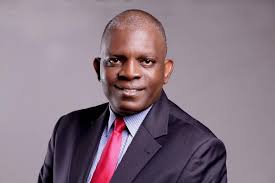
The Nigerian Shippers’ Council (NSC) has raised urgent concerns regarding ongoing security issues that significantly disrupt operations at Nigerian ports, including cargo theft, piracy, and general lawlessness. These sentiments were expressed by the Executive Secretary and Chief Executive Officer of the NSC, Pius Akutah, during the 2024 Annual Maritime Journalists’ Seminar held in Lagos. The seminar, themed “The Nigerian Shippers’ Council in Transition: Issues, Prospects, and Challenges,” was organized by First Mediacom Network Limited in conjunction with the NSC and highlighted the pressing security risks that are impeding cargo flow and increasing shipping costs for businesses operating in Nigeria.
Akutah’s remarks made clear that these security challenges persist despite various efforts to address them, demonstrating the need for enhanced legislative support to fortify the NSC’s regulatory role, which has been established since 2015. He noted that inadequate port infrastructure—ranging from outdated cargo handling equipment to poor road networks and insufficient storage facilities—compounds the issues faced by the NSC. Akutah elaborated on how the NSC’s capacity to effect reforms is often undermined by systemic infrastructural shortcomings, as the regulation of physical assets belongs to other governmental agencies, limiting the NSC’s influence in facilitating smoother port operations.
Collaboration among stakeholders in the port ecosystem, including the Nigerian Ports Authority, Nigeria Customs Service, terminal operators, and shipping companies, was another focal point in Akutah’s analysis. He lamented the existing inefficiencies stemming from a lack of effective coordination, which has resulted in conflicting policies and a fragmented regulatory framework that ultimately hinders operational efficiency. Emphasizing the need for mutual cooperation, he asserted that improved communication among all stakeholders is essential to optimize port operations, reduce delays, and enhance competitiveness.
In addition to these challenges, Akutah discussed the complexities involved in balancing tariff structures among various port stakeholders. While the NSC maintains oversight of tariff regulation, it grapples with competing demands from port operators, shippers, and government agencies, all while attempting to keep ports attractive for business. He highlighted how this delicate balancing act is crucial for minimizing costs for importers and exporters while ensuring the financial sustainability of port authorities. Despite the NSC’s attempts to streamline port operations, congestion and inefficiency linger, demanding concerted efforts to tackle delays and demurrage charges.
Beyond these operational concerns, the NSC is also facing hurdles in promoting digitalization within the maritime sector. Akutah pointed out that modern technology adoption remains subpar, hampering efficiency and transparency. Challenges, including poor internet infrastructure, stakeholder resistance to change, and a shortage of skilled professionals in technology, slow down progress in implementing necessary digital transformations. Furthermore, issues like corruption among port officials exacerbate the NSC’s regulatory challenges, complicating reform initiatives and deterring potential investment in the sector.
The broader implications of these discussions were echoed by Dr. Muda Yusuf, CEO of the Centre for the Promotion of Private Enterprise. He called for immediate regulatory reforms to both protect consumers and enhance investment attractiveness within the maritime sector, which he argues can become a major driver of Nigeria’s economic growth. Yusuf criticized punitive policies such as high import duties and fluctuating exchange rates that push businesses toward neighboring ports, resulting in job losses and reduced revenue. He also highlighted the maritime sector’s inconsequential representation in Nigeria’s GDP—reported at only 0.05 percent—despite its immense untapped potential, urging maritime journalists to actively advocate for reforms that can catalyze significant economic transformation in Nigeria.









