





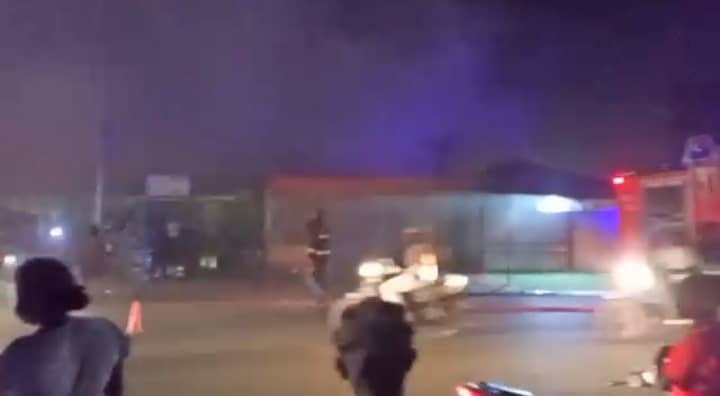
The bustling city of Bolgatanga, the Upper East Regional Capital of Ghana, was recently struck by a devastating fire outbreak that left a trail of destruction in its wake. This incident, occurring in close proximity to the stadium traffic light, marked the second fire disaster in the area within a single week, raising concerns about fire safety measures and preventative practices. The earlier incident involved a local restaurant being razed to the ground, further highlighting the vulnerability of businesses in the vicinity. The recurring nature of these fire outbreaks underscores the urgent need for a thorough assessment of fire safety protocols and community awareness campaigns to mitigate such risks in the future.
Upon receiving reports of the fire, firefighters responded swiftly to the scene, battling the raging flames that threatened to engulf neighboring structures. Their courageous efforts and rapid response played a crucial role in containing the inferno and preventing further damage. However, the firefighting team encountered significant challenges due to limited access to the affected area. The obstructed access routes hampered their ability to maneuver effectively and deploy their equipment efficiently, impacting the overall response time and potentially exacerbating the damage caused by the fire. This incident highlights the importance of ensuring clear and accessible routes for emergency responders in all areas, as delays can have significant consequences in emergency situations.
Preliminary investigations into the cause of the fire revealed a disturbingly common culprit: a burning refuse dump located dangerously close to a tricycle dealer’s shop. The improper disposal of waste and the subsequent uncontrolled burning of refuse appear to have ignited flammable materials, leading to the rapid escalation of the fire. The presence of oil and containers in the vicinity further fueled the flames, intensifying the destructive power of the blaze. This incident underscores the critical need for responsible waste management practices and adherence to fire safety regulations, especially in densely populated areas. The careless disposal of refuse and the lack of proper fire prevention measures create a dangerous combination that can have devastating consequences.
The recurrence of fire outbreaks in the Bolgatanga area raises several critical concerns about fire safety and emergency preparedness. The close proximity of businesses and residential areas to potential fire hazards, such as improperly managed waste disposal sites, poses a significant risk to the community. This incident underscores the need for stringent enforcement of fire safety regulations and proactive measures to eliminate potential fire hazards. Regular inspections of businesses and residential areas, coupled with public awareness campaigns on fire safety practices, can play a vital role in preventing future tragedies.
The challenges faced by firefighters in accessing the affected area highlight the importance of urban planning and infrastructure development that prioritizes emergency preparedness. Ensuring clear and accessible routes for emergency vehicles is crucial for a timely and effective response to emergencies. Furthermore, the incident emphasizes the need for adequate fire hydrants and other essential firefighting infrastructure to be readily available and easily accessible in all areas. Investing in modern firefighting equipment and training programs for firefighters can further enhance their ability to combat fires effectively and minimize damage.
The Bolgatanga fire incident serves as a stark reminder of the devastating consequences of neglecting fire safety measures. The loss of property and the disruption to businesses have a significant impact on the local economy and the livelihoods of those affected. This incident should serve as a wake-up call for authorities and the community to prioritize fire safety and invest in preventative measures. By working together to implement comprehensive fire safety strategies, Bolgatanga can create a safer environment for its residents and businesses and prevent future tragedies. This includes stricter enforcement of regulations, public awareness campaigns, improved waste management practices, and investment in infrastructure to ensure swift and effective emergency responses.








